Edo Thirty-Three Kannon Pilgrimage
Keep a record of this trip
Sign up freeEdo Thirty-Three Kannon Pilgrimage

A list for visiting the 'Edo Thirty-Three Kannon,' sacred sites of Kannon opened in Edo, with Senso-ji Temple as the first and Meguro Fudo Ryusen-ji Temple as the 33rd and final stop. You can visit the 33 temples (including one extra site) within Tokyo's 23 wards, designated in imitation of the Saigoku Thirty-Three Kannon Pilgrimage, on a map. Please note that the hours for receiving goshuin (temple seals) and the donation fees may vary, so always check the official website of each temple for the latest information. You can record your visits and completion of the pilgrimage (fulfillment of vows).
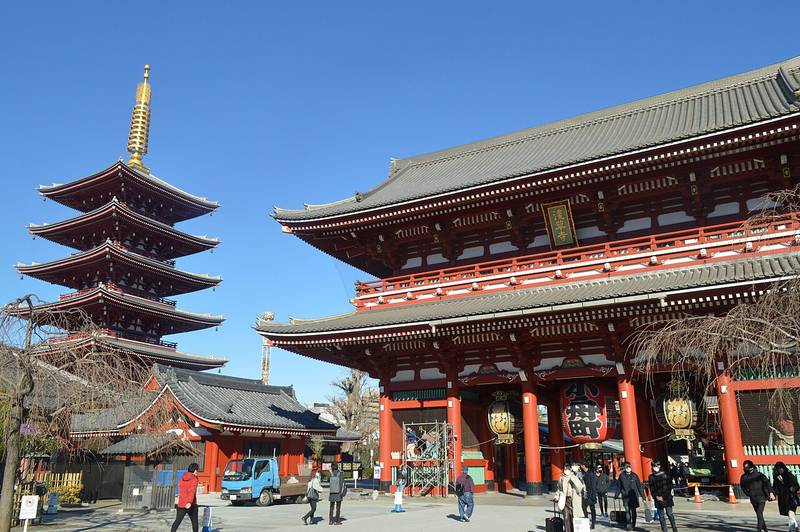
The first temple of the Edo Thirty-Three Kannon Pilgrimage, this sacred site of Kannon is said to be the oldest in Tokyo. Its principal image is the Sho Kannon Bodhisattva. It is known for its Kaminarimon Gate, Nakamise-dori street, and five-story pagoda, attracting many visitors throughout the year. Please note that the hours for receiving goshuin (temple seals) and the donation fees may vary, so always check the official website for the latest information. A short walk from Asakusa Station on the Subway and Tobu lines.
The second temple of the Edo Thirty-Three Kannon Pilgrimage (a temple in Taito City, Matsugaya, different from Kiyomizu-dera Temple in Kyoto). Its principal image is the Thousand-armed Kannon. It is located near the downtown Kappabashi Kitchen Town. Please check the official website for the hours for receiving goshuin (temple seals) and the donation fees. A short walk from Tawaramachi and Inaricho Stations on the subway.
The third temple of the Edo Thirty-Three Kannon Pilgrimage, located in Nihonbashi Ningyocho. Its principal image is a bronze Bodhisattva head (Buddha head) said to originate from Kamakura. It is conveniently located for a stroll around Ningyocho and Amazake Yokocho. Please check the official website for the hours for receiving goshuin (temple seals) and the donation fees. A short walk from Ningyocho Station on the subway.
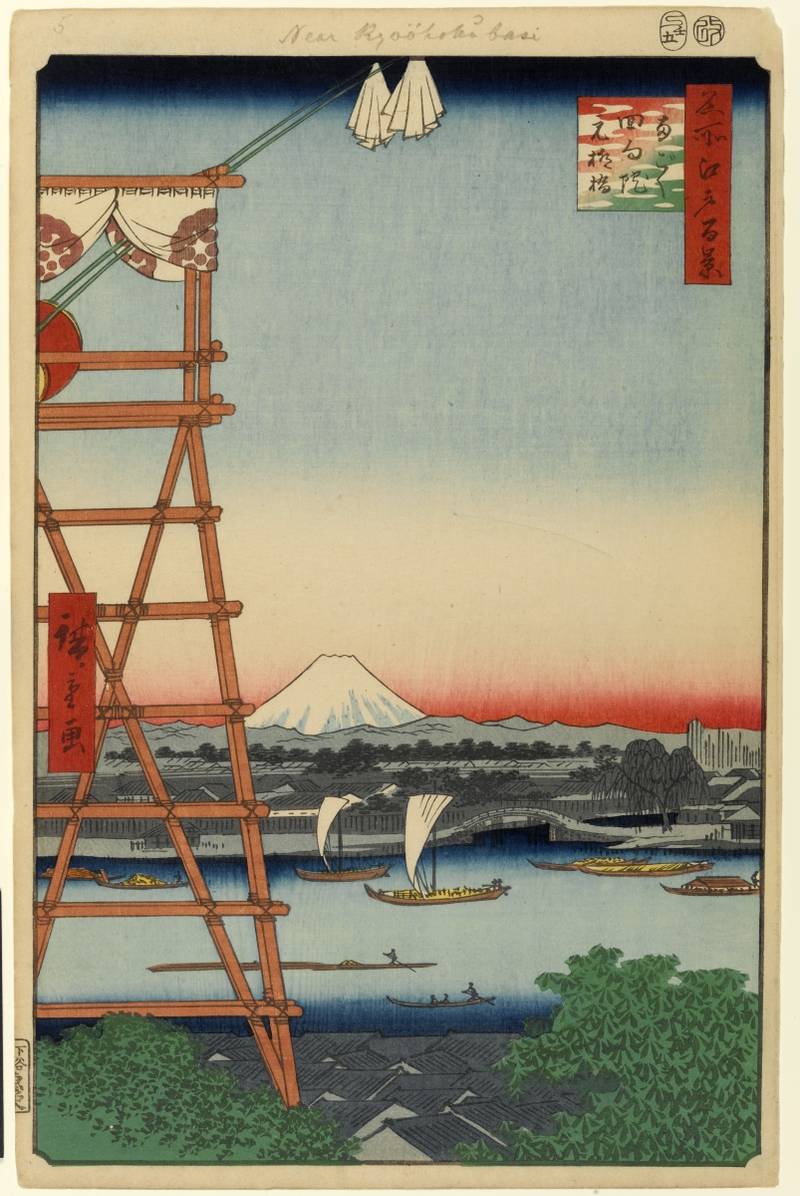
The fourth temple of the Edo Thirty-Three Kannon Pilgrimage, a Jodo Shu (Pure Land sect) temple located in Ryogoku. It began with memorial services for the victims of the Meireki fire and is known for its services for all sects and the unassociated. It houses the grave of Nezumi Kozo, and Ryogoku is a place associated with Edo Sumo. Please check the official website for the hours for receiving goshuin (temple seals) and the donation fees. A short walk from Ryogoku Station on the JR line.
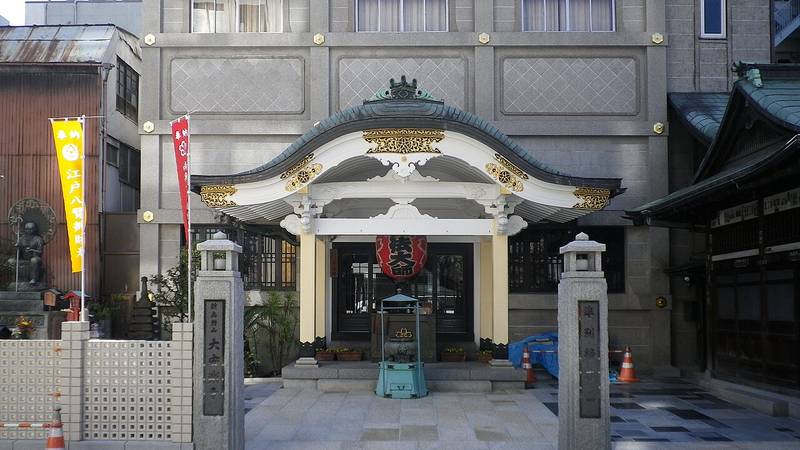
The fifth temple of the Edo Thirty-Three Kannon Pilgrimage, a Shingon sect temple located in Nihonbashi Kodemma-cho. It is said to have been built on the site of the Edo-denmachō prison and enshrines the Enmei Jizo Bosatsu (longevity Jizo statue). Please check the official website for the hours for receiving goshuin (temple seals) and the donation fees, as they may vary. A short walk from Kodemma-cho Station on the subway.
The sixth temple of the Edo Thirty-Three Kannon Pilgrimage, a hall of Kan'ei-ji Temple located within Ueno Park. It features a stage-style structure modeled after Kiyomizu-dera Temple in Kyoto, and is known for its view of Shinobazu Pond across the 'Moon Pine Tree' whose branches form a circle. Please check the official website for the hours for receiving goshuin (temple seals) and the donation fees. A short walk from Ueno Station on the JR and Keisei lines.
The seventh temple of the Edo Thirty-Three Kannon Pilgrimage, located near Yushima Tenjin Shrine. Legends related to famous Edo springs, such as 'Yanagi no I' (Willow Well), remain here. It is conveniently located for visiting Yushima Tenjin Shrine and Kanda Myojin Shrine together. Please check the official website for the hours for receiving goshuin (temple seals) and the donation fees. A short walk from Yushima and Ueno-hirokoji Stations on the subway.
The eighth temple of the Edo Thirty-Three Kannon Pilgrimage, a Jodo Shu (Pure Land sect) temple located in Mukogaoka, Bunkyo City. It is in a quiet area of temples, close to Hongo and Hakusan. Please check the official website for the hours for receiving goshuin (temple seals) and the donation fees, as they may vary. A short walk from Hon-komagome and Hakusan Stations on the subway.
The ninth temple of the Edo Thirty-Three Kannon Pilgrimage, a Jodo Shu (Pure Land sect) temple located in Hon-komagome, Bunkyo City. It is situated in a temple district along Hongo Dori street. It is conveniently located for walking to nearby temples. Please check the official website for the hours for receiving goshuin (temple seals) and the donation fees. A short walk from Hon-komagome Station on the subway.
The tenth temple of the Edo Thirty-Three Kannon Pilgrimage, a Jodo Shu (Pure Land sect) temple located in Mukogaoka, Bunkyo City. It faces Hongo Dori street and is also known for its worship of child-rearing and safe childbirth. Please check the official website for the hours for receiving goshuin (temple seals) and the donation fees, as they may vary. A short walk from Hon-komagome and Hakusan Stations on the subway.
The eleventh temple of the Edo Thirty-Three Kannon Pilgrimage, a temple located in Hakusan, Bunkyo City. It is famous for housing the grave of 'Hachiya O-Shichi,' known from the works of Ihara Saikaku. Please check the official website for the hours for receiving goshuin (temple seals) and the donation fees. A short walk from Hakusan Station on the subway.
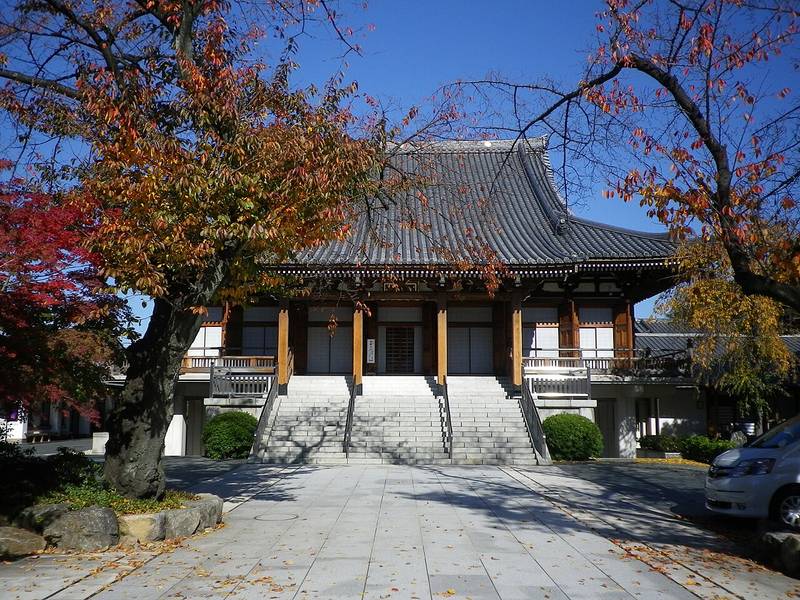
The twelfth temple of the Edo Thirty-Three Kannon Pilgrimage, a Jodo Shu (Pure Land sect) temple located in Koishikawa. It is a temple associated with the Tokugawa family and is known for housing the graves of Tokugawa women such as O-Dai no Kata, the birth mother of Tokugawa Ieyasu, and Senhime. Please check the official website for the hours for receiving goshuin (temple seals) and the donation fees. A short walk from Korakuen and Kasuga Stations on the subway.
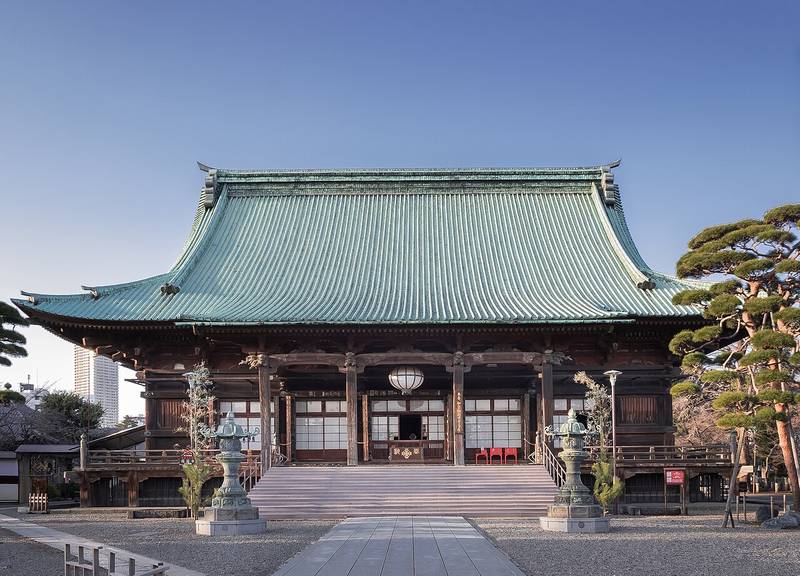
The thirteenth temple of the Edo Thirty-Three Kannon Pilgrimage, a major head temple of the Shingon Buzan sect associated with Keishōin, the mother of the fifth shogun Tokugawa Tsunayoshi. The main hall (Kannon-do), built during the Genroku period, is a National Important Cultural Property. Please check the official website for the hours for receiving goshuin (temple seals) and the donation fees. Immediately accessible from Gokokuji Station on the Tokyo Metro Yurakucho Line.
The fourteenth temple of the Edo Thirty-Three Kannon Pilgrimage, a Shingon Buzan sect temple known as 'Mejiro Fudo' (one of the Edo Goshiki Fudo). It is located in Takada, close to the Kanda River. Please check the official website for the hours for receiving goshuin (temple seals) and the donation fees, as they may vary. A short walk from Gakushuin-shita Station on the Toden Arakawa Line.
The fifteenth temple of the Edo Thirty-Three Kannon Pilgrimage, a Koyasan Shingon sect temple adjacent to Ana Hachimangu Shrine. It is known for its 'Ichiyō Raifuku' charm, which is distributed from the winter solstice to Setsubun (please check the official website for the distribution period). Please also check the official website for the hours for receiving goshuin (temple seals) and the donation fees. A short walk from Waseda Station on the subway.
The 16th temple of the Edo Thirty-three Kannon Pilgrimage, a Tendai sect temple located in Kagurazaka. Its location makes it easy to combine with a stroll through Kagurazaka, a town of slopes and alleys. Please check the official website for the hours and fees for receiving Goshuin, as they may change. A short walk from Kagurazaka and Iidabashi Stations on the subway.
The 17th temple of the Edo Thirty-three Kannon Pilgrimage, a Shingon sect temple located in Minamidai, Nakano-ku. It is a quiet temple located in a residential area. Please check the official website for the hours and fees for receiving Goshuin. A short walk from Nakano Fujimicho Station on the subway, or accessible by bus.
The 18th temple of the Edo Thirty-three Kannon Pilgrimage, a Shingon sect temple located in Yotsuya/Wakaba. It is known for its "Shioshiai Kannon (Shioshiai Jūichimen Kannon)" which is said to have its pedestal moistened by the ebb and flow of the tide. Please check the official website for the hours and fees for receiving Goshuin. A short walk from Yotsuya Station on the JR and subway lines.

The 19th temple of the Edo Thirty-three Kannon Pilgrimage, a Shingon sect temple located in Wada, Suginami-ku. It is located close to the Ōme Kaidō road. Please check the official website for the hours and fees for receiving Goshuin, as they may change. A short walk from Tōkōenji and Shin-Nakano Stations on the subway.
The 20th temple of the Edo Thirty-three Kannon Pilgrimage, a Jōdo sect temple located in Toranomon. It is situated in a business district and is conveniently located for visiting with other temples in Minato Ward. Please check the official website for the hours and fees for receiving Goshuin. A short walk from Toranomon and Kamiyacho Stations on the subway.
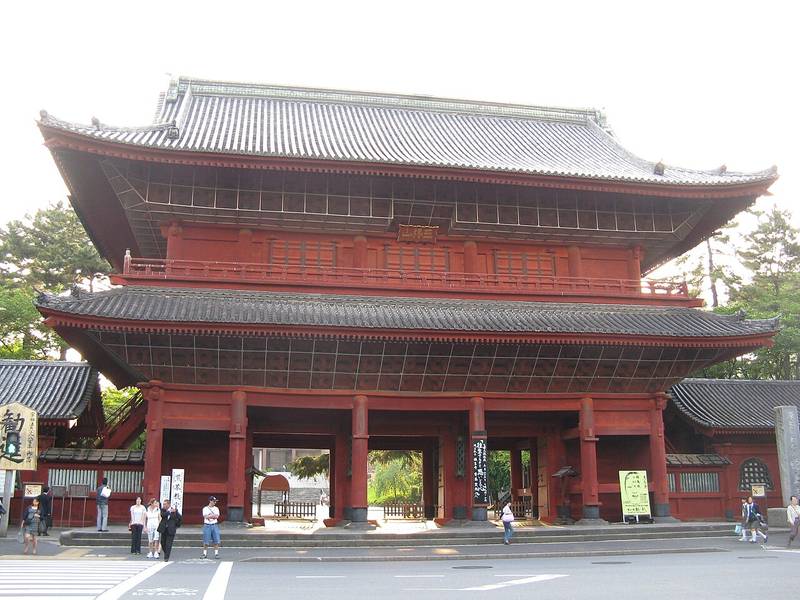
The 21st temple of the Edo Thirty-three Kannon Pilgrimage, a great head temple of the Jōdo sect, known as the mausoleum of the Tokugawa shogunate. The Sanjōgate (Sanmon) is a National Important Cultural Property. It is also famous for its scenery with Tokyo Tower in the background. Please check the official website for the hours and fees for receiving Goshuin. A short walk from Onarimon and Daimon Stations on the subway.
The 22nd temple of the Edo Thirty-three Kannon Pilgrimage, a Sōtō sect temple located in Nishi-Azabu (different from Hase-ji in Kamakura and Nara). It is known for its tall Jūichimen Kannon, the "Azabu Daikannon." Please check the official website for the hours and fees for receiving Goshuin, as they may change. A short walk from Hiroo and Roppongi Stations on the subway.
The 23rd temple of the Edo Thirty-three Kannon Pilgrimage, a temple located in Mukōgaoka, Bunkyo-ku (different from Daien-ji on Gyōnin-zaka in Meguro). It is located in a temple town along Hongō-dōri and is known for its Hōroku Jizō statues, among other things. Please check the official website for the hours and fees for receiving Goshuin. A short walk from Hakusan and Hon-Komagome Stations on the subway.
The 24th temple of the Edo Thirty-three Kannon Pilgrimage, a Jōdo sect temple located in Aoyama. It faces Aoyama-dōri and is known for its modern grounds, including a bamboo path. Please check the official website for the hours and fees for receiving Goshuin, as they may change. A short walk from Gaienmae Station on the subway.
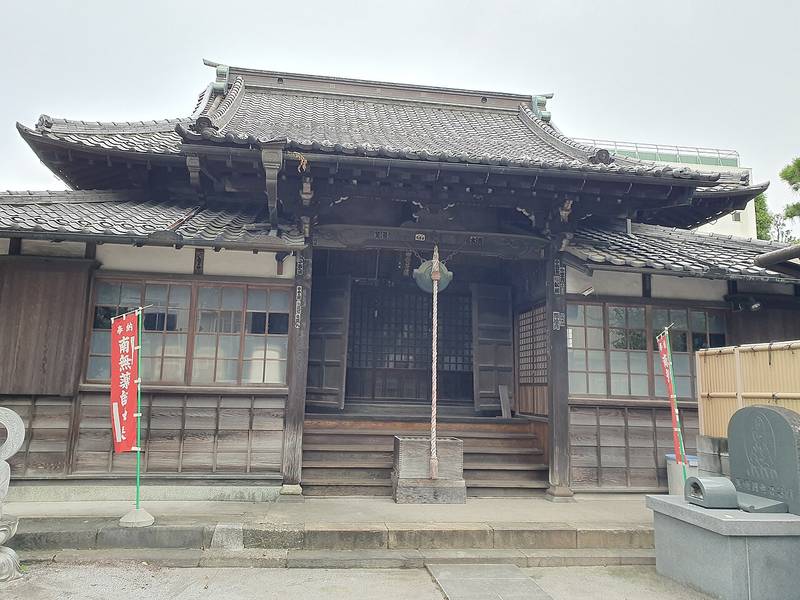
The 25th temple of the Edo Thirty-three Kannon Pilgrimage, a Jōdo sect temple located in Mita/Gikan-zaka. Its principal image is "Gikan Kannon," depicted holding a basket containing fish, which is the origin of the temple's and slope's names. Please check the official website for the hours and fees for receiving Goshuin. A short walk from Shirokane-Takanawa and Sengaku-ji Stations on the subway.
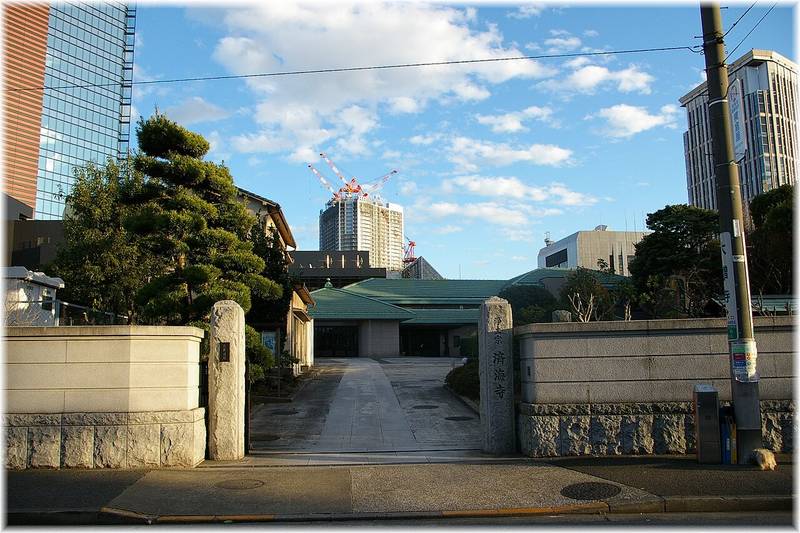
The 26th temple of the Edo Thirty-three Kannon Pilgrimage, a Jōdo sect temple located on a hill in Mita. It is also known as the site where the first French envoy's residence was established in the late Edo period. Please check the official website for the hours and fees for receiving Goshuin, as they may change. A short walk from Shirokane-Takanawa and Sengaku-ji Stations on the subway.
The 27th temple of the Edo Thirty-three Kannon Pilgrimage, a Jōdo sect temple located in Takanawa. It is close to Daiichi Keihin (old Tōkaidō road) and is conveniently located for visiting with other temples in Takanawa. Please check the official website for the hours and fees for receiving Goshuin. A short walk from Sengaku-ji Station on the subway and Keikyu lines.
The 28th temple of the Edo Thirty-three Kannon Pilgrimage, a Rinzai sect temple located in Shiba Park. It is known as a temple associated with the monk Ishin Sūden (Konchi-in Sūden), who gained the trust of the Tokugawa family. Please check the official website for the hours and fees for receiving Goshuin, as they may change. A short walk from Onarimon and Shiba-koen Stations on the subway.
The 29th temple of the Edo Thirty-three Kannon Pilgrimage, the Tokyo branch temple of Kōyasan, a Kōyasan Shingon sect temple located in Takanawa. It is the Tokyo base of Kōyasan, associated with Kōbō Daishi, and is also the first temple of the Gofunai Eighty-eight Pilgrimage. Please check the official website for the hours and fees for receiving Goshuin. A short walk from Sengaku-ji Station on the subway and Keikyu lines.
The 30th temple of the Edo Thirty-three Kannon Pilgrimage, a Shingon sect temple located along the old Tōkaidō road in Kita-Shinagawa. It is said to enshrine the Fudō Myōō from Narita-san. Its location makes it easy to combine with a walk along the Shinagawa-juku road. Please check the official website for the hours and fees for receiving Goshuin. A short walk from Shin-Bamba Station on the Keikyu Line.
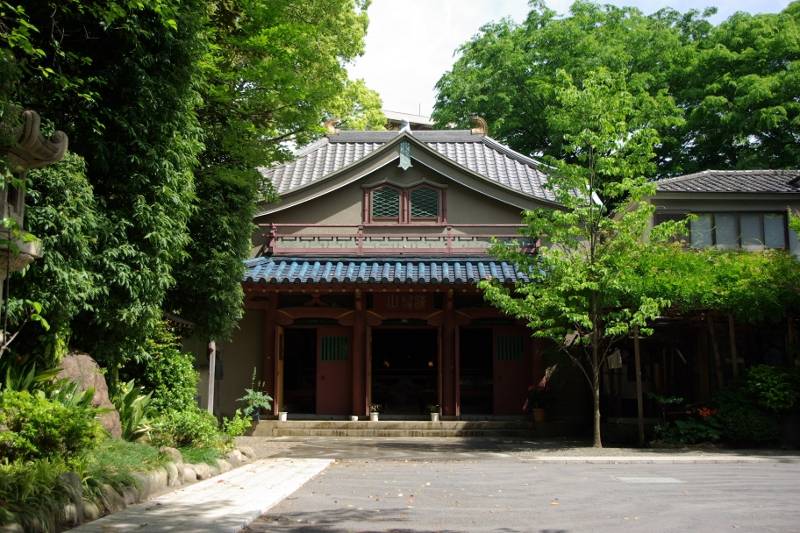
The 31st temple of the Edo Thirty-three Kannon Pilgrimage, an old temple in Shinagawa called "Honsen-ji." It is known for one of the Edo Six Jizō statues and a large bronze bell with a history of returning from overseas voyages. Please check the official website for the hours and fees for receiving Goshuin, as they may change. A short walk from Aomono-Yokochō Station on the Keikyu Line.
The 32nd temple of the Edo Thirty-three Kannon Pilgrimage, a temple affectionately known as "Setagaya Kannon." It was established in the Showa period and is known as an independent temple not belonging to any specific sect. Please check the official website for the hours and fees for receiving Goshuin. Accessible by bus and a short walk from Sangen-jaya Station on the Tokyu Line.
Edo Thirty-three Kannon, the final Temple No. 33, a Tendai sect temple known as 'Meguro Fudo'. It is one of the leading Fudo sacred sites in the Kanto region and one of the Edo Goshiki Fudo. This ancient temple has many attractions, including the Dokko Waterfall and the Ondan staircase. Please check the official website for the latest information on Goshuin (temple stamp) availability and fees. Accessible by bus and on foot from Meguro Station (JR).
Edo Thirty-three Kannon, Extra Temple, a Sōtō Zen temple located next to Shinagawaji Temple. It is known for 'Sentai Kōjin' (Kōjin of a Thousand Bodies), worshipped as the guardian deity of kitchens and hearths. Please check the official website for the latest information on Goshuin (temple stamp) availability, fees, and the Kōjin festival dates. Accessible on foot from Aomono-Yokocho Station (Keikyu).
Plan your trip
Note: This list contains advertising (affiliate links).
Related lists
Bando Thirty-three Kannon Pilgrimage
The Bando Thirty-three Kannon (Bando Thirty-three Places) is a pilgrimage of Kannon Bodhisattva sacred sites spread across the Kanto region (Kanagawa, Saitama, Tokyo, Gunma, Tochigi, Ibaraki, Chiba). It involves visiting ancient temples with Kannon Bodhisattva as their principal image, from the first temple, Sugimoto-dera in Kamakura, to the 33rd temple, Nago-ji in Tateyama (the final temple). There are many highlights, including Senju Kannon at Asakusa-ji (13th), eleven-faced Kannon at Hase-dera in Kamakura (4th), Tachiki Kannon at Chuzen-ji in Nikko (18th), the rock-cut Buddha at Otaya Kannon (19th), and Kasamori Kannon with its four-sided suspended structure (31st). Together with the Saigoku Thirty-three Kannon and Chichibu Thirty-four Kannon, it forms the Japan Hundred Kannon. You can view each temple on a map and record your pilgrimage progress to the final temple by checking in. Please check the official website of each temple for the latest information, as opening hours and admission fees may change.
33SO
Chichibu Thirty-four Kannon Pilgrimage
This is a list of the 34 Kannon sacred sites in the Chichibu region of Saitama Prefecture, known as the Chichibu Thirty-four Kannon (Chichibu Fudasho), visited in order from No. 1 to the final No. 34. Together with the Saigoku Thirty-three Kannon and the Bandō Thirty-three Kannon, they form the 'Japan Hyakukannon' (One Hundred Kannon of Japan), and the 34th temple, Suijū-ji, is known as the temple of completion. We have compiled the principal image and highlights of each Fudasho. Please also check the official information as reception hours and admission fees may change.
Japan's 100 Kannon Pilgrimage
This is a list for visiting the 100 temples that make up Japan's 100 Kannon, combining the three great Kannon pilgrimage sites: the Saigoku 33 Kannon, the Bandō 33 Kannon, and the Chichibu 34 Kannon. Completing all three pilgrimage routes signifies the fulfillment of the 100 Kannon pilgrimage, with the final temple being Chichibu's 34th temple, Suisenshi. The temples are organized in order of their temple number for each pilgrimage route, with the principal image and highlights of each temple noted. Please check the official information as visiting hours, admission fees, etc., may change.
100SO
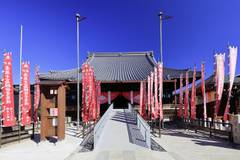
Owari Thirty-three Kannon Pilgrimage 33 Temple Sites
The Owari Thirty-three Kannon Pilgrimage is a Kannon sacred site that tours Aichi Prefecture, centered around Nagoya City. All 33 temples are listed in order of their temple number.
33SO
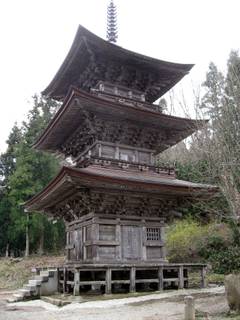
Aizu Thirty-three Kannon Pilgrimage: Fukushima's 33 Sacred Sites and Extra Temples
The Aizu Thirty-three Kannon is a Kannon pilgrimage route that tours the Aizu region of Fukushima Prefecture (Kitakata, Aizu-Wakamatsu, Aizu-Misato, etc.). We have compiled a total of 36 locations, including 33 main sites and 3 extra temples, in order of their temple number.
36SO
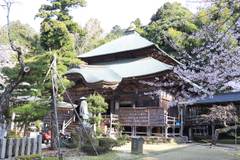
Saigoku 33 Kannon Pilgrimage
A pilgrimage route, considered the oldest in Japan, spanning 33 Kannon sacred sites across 2 prefectures and 4 prefectures of Kinki, as well as Gifu (founded by Tokudo Shonin in 718, revived by Emperor Kazan in 1007, and designated a Japan Heritage site in 2019). All principal images are Kannon Bodhisattva, from the first temple, Seiganto-ji (Nachi), to the 33rd temple, Kegon-ji (Tani-gumi, the final temple). There is no set order to visit the temples, no deadline, and you can visit them in any order you like, over multiple trips. It is practical to visit them grouped by prefecture, and accessible by car or public transport. Some temples are difficult to access, with mountain paths or long stone staircases: Shofuku-ji (4th), Kami-daigo (11th), Chomei-ji (31st), and Kannon-sho-ji (32nd). Goshuin (temple stamps/calligraphy) are issued at each temple; please check the official website for procedures and fees. The 3 supplementary temples and thanksgiving visits are optional; completion is achieved at the 33 temples. You can record your 33 visits with a map and check-ins.
33SO
Check off the places you visitand keep photos and notes.
Edit it however you like.
Sign up freeStart with your Google accountGet started right away, free