Discover
Browse public lists and copy the ones you like
Community activity
🔥
“Instagrammable Spots Popular on Social Media [First Half of 2026]” is trending
🔥“Japan 47 Prefectures Checklist” is trending
🔥“Kamakura/Enoshima Seven Gods of Fortune: A Complete Lucky Journey in One Day” is trending
🔥“Yanaka Shichifukujin Meguri” is trending
🔥“Japan's Geopark Tour: All 48 Regions” is trending
Oshu Thirty-three Kannon Pilgrimage: 33 Temples and Special Temples
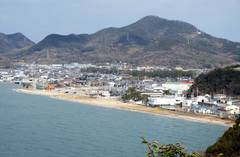
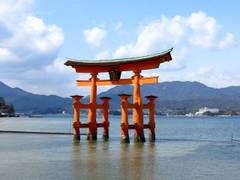
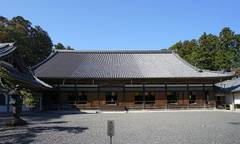
The Oshu Thirty-three Kannon Pilgrimage is a Kannon sacred site spread across Oshu (Tohoku) in Miyagi, Fukushima, and Iwate prefectures. This guide compiles 36 temples in order of their temple number, including 33 main temples and 3 special temples (Chuson-ji, Motsu-ji, Iou-ji).
Chichibu Thirty-four Kannon Pilgrimage
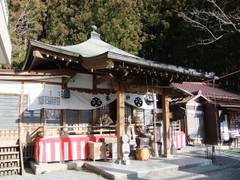
This is a list of the 34 Kannon sacred sites in the Chichibu region of Saitama Prefecture, known as the Chichibu Thirty-four Kannon (Chichibu Fudasho), visited in order from No. 1 to the final No. 34. Together with the Saigoku Thirty-three Kannon and the Bandō Thirty-three Kannon, they form the 'Japan Hyakukannon' (One Hundred Kannon of Japan), and the 34th temple, Suijū-ji, is known as the temple of completion. We have compiled the principal image and highlights of each Fudasho. Please also check the official information as reception hours and admission fees may change.
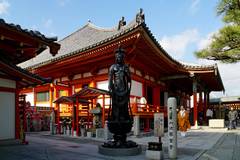
The Seven Gods of Fortune Pilgrimage in the Capital
The Seven Gods of Fortune pilgrimage, said to be the oldest in Japan and originating in Kyoto. You will visit all Seven Gods of Fortune at 7 temples and shrines: Ebisujinja Shrine, Matsugasaki Daikokuten, Toji Temple, Rokuharamitsuji Temple, Sekizanzen-in Temple, Kado, and Manpukuji Temple. You can visit them year-round, not just during the New Year, and it is said that the merits are greater during the New Year period when it is particularly lively. The temples and shrines are widely dispersed from Northern Kyoto to Uji, and you can visit them in any order from any starting point (if efficiency is prioritized, North to South is one example). Completing it on foot in one day is difficult; using a combination of trains and walking or cars is more realistic. The central Kado, Ebisujinja Shrine, and Rokuharamitsuji Temple do not have dedicated parking. Please check the official website for details on how to receive Goshuin (temple stamps), Shikishi (large amulets), and Ojiku (scrolls), as well as their prices and reception hours. You can record your 'Seven Gods of Fortune Completion' upon check-in.
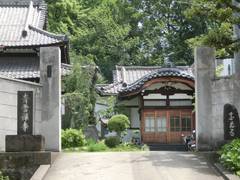
Yanaka Shichifukujin Meguri
A tour of the 7 Shichifukujin (Seven Lucky Gods) in Ueno, Yanaka, Nippori, and Tabata, said to be the oldest Shichifukujin pilgrimage in Edo (approx. 250 years old). It is characterized by consisting entirely of temples. Starting from Tabata Station, you can visit all the gods in about 2-3 hours on foot, covering approximately 5.5-6 km to Ueno. Visiting in any order or splitting over several days is also possible. Shikishi (paper for calligraphy) and Goshuin (temple stamps) are generally only available during the New Year period (around January 1st to 10th). The offering fee and method vary by year, so please check the official website (visiting the temples is possible year-round). If your goal is Goshuin, visit during New Year; if you want to walk quietly, visit after the New Year period. Highlights at each temple include the Akagami Nio (red paper guardian kings) at Tokaku-ji Temple, the Hotei wall painting at Shuseiin Temple, and the site of the five-story pagoda at Tennoji Temple. You can record "Shichifukujin Complete" by checking in.
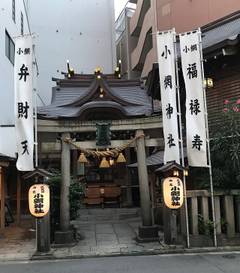
Nihonbashi Shichifukujin Meguri
A tour of 7 shrines in Tokyo Nihonbashi, visiting the Seven Gods of Fortune. It is characterized by being the shortest in Japan, consisting of all shrines, covering approximately 3.3km and taking about 50 minutes to 1 hour and a half on foot. You can walk through the downtown atmosphere of Ningyocho, Kakigaracho, and Hamacho, and visit all Seven Gods of Fortune at the 7 shrines. The nearest stations are Ningyocho Station and Suitengumae Station. Visiting in any order or splitting over several days is also fine. Shikishi (colored paper), treasure ships, and Goshuin (temple stamps) are generally only available during the New Year period (from New Year's Day to around January 7th). The method and offering fee vary by year, so please check the official website. (Visiting the shrines themselves is possible year-round). You can record your progress towards "Seven Gods of Fortune Complete" as you check in.
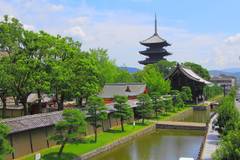
Kyoto/Uji: Exploring Famous Sites and Serene Temples/Shrines
Stroll along the Philosopher's Path and the banks of the Kamo River Delta, visit the moss-covered Saiho-ji Temple, and the tranquil gardens of Shisendo and Honen-in. From famous sites like To-ji Temple and Uji's Byodo-in, to the townscape of Saga-Toriimoto and the signature ramen of Ichijoji. A 14-spot walking tour of Kyoto and Uji.
Japan's Geopark Tour: All 48 Regions
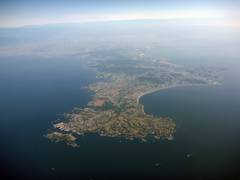
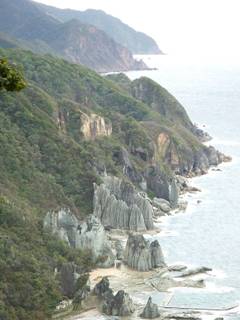
Geoparks are natural parks where you can enjoy learning about the Earth's formation. As of April 2026, there are 48 geoparks certified by the Japan Geopark Committee, 11 of which are also certified as UNESCO Global Geoparks. We have compiled all 48 regions, from Mt. Apoi in Hokkaido to Kikaijima Island in Kagoshima, by region. We hope this will help you plan a trip to experience the Earth's activities, such as volcanoes, fossils, karst, and uplifted coral reefs, starting from visitor centers and representative geosites.
48 spotsSO