Kamakura/Enoshima Seven Gods of Fortune: A Complete Lucky Journey in One Day
Keep a record of this trip
Sign up freeKamakura/Enoshima Seven Gods of Fortune: A Complete Lucky Journey in One Day

A lucky pilgrimage visiting 8 shrines and temples enshrining the Seven Gods of Fortune from Kamakura to Enoshima. Since there are two Benzaiten deities (Tsurugaoka Hachimangu Hatagami Benzaiten Shrine and Enoshima Shrine), there are 8 temples/shrines to visit. The official model course starts at Jochi-ji Temple (Hotei-son) in Kita-Kamakura, then proceeds through central Kamakura (Tsurugaoka Hachimangu = Benzaiten / Hokoku-ji Temple = Bishamon-ten / Myoryu-ji Temple = Jurojin / Honkaku-ji Temple = Ebisu), Hase (Goryo Shrine = Fukurokuju / Hasedera Temple = Daikokuten), and concludes at Enoshima Shrine, one of Japan's Three Great Benzaiten. Travel between shrines/temples is on foot, and the Enoden train is used for travel to Hase and Enoshima. Many spots are famous for seasonal flowers such as hydrangeas (June) and bush clover (early autumn), allowing for a leisurely one-day tour while collecting goshuin stamps. Please refer to each spot in the main text for visiting hours and fees.
1. Kita-Kamakura Area
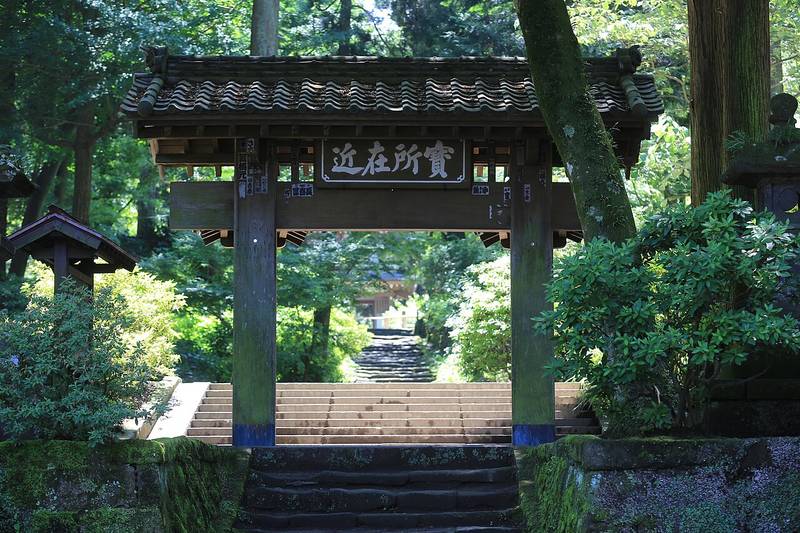
◆Deity enshrined: Hotei-son (God of eternal youth and longevity, believed to be an incarnation of Maitreya Bodhisattva) ◆Pilgrimage: Starts in Kita-Kamakura (1/8). A Zen temple ranked fourth among Kamakura's Five Mountains (Rinzai sect Engaku-ji school) ◆Visiting hours: 9:00–16:30 / Adults ¥300, Junior high school students and younger ¥100 ◆Access: 8-minute walk from JR Kita-Kamakura Station ◆Highlights: Hotei-son statue nestled in a yagura (rock niche), moss-covered approach and the main gate which also serves as a bell tower
2. Central Kamakura Area
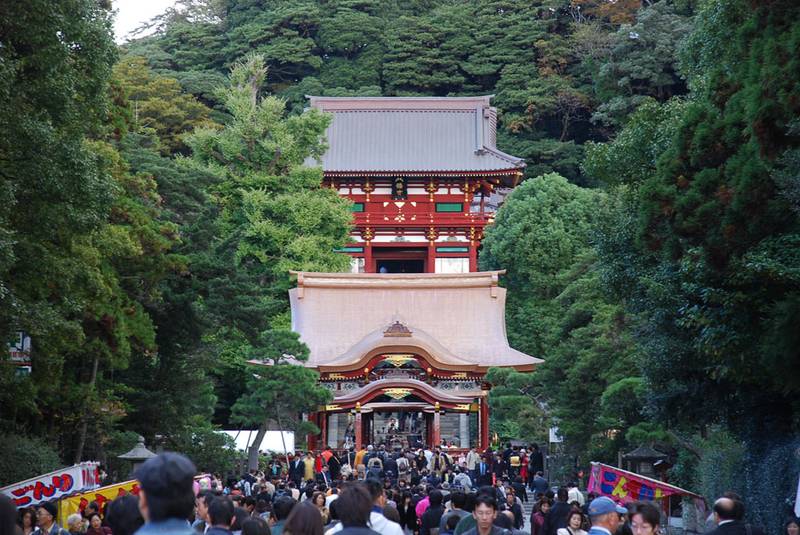
◆Deity enshrined: Benzaiten (Goddess of Performing Arts and Good Fortune). Benzaiten associated with Minamoto no Yoritomo and Hojo Masako ◆Pilgrimage: 2/8. The designated spot is the 'Hatagami Benzaiten Shrine' located on the island in Genji-ike Pond within the grounds ◆Visiting: Grounds free (Open 6:00–20:00) ◆Access: 10-minute walk from JR Kamakura Station East Exit ◆Highlights: Genji-ike Pond with white flags fluttering, 'Masako Stone' behind the main hall (a stone for praying for marital harmony)
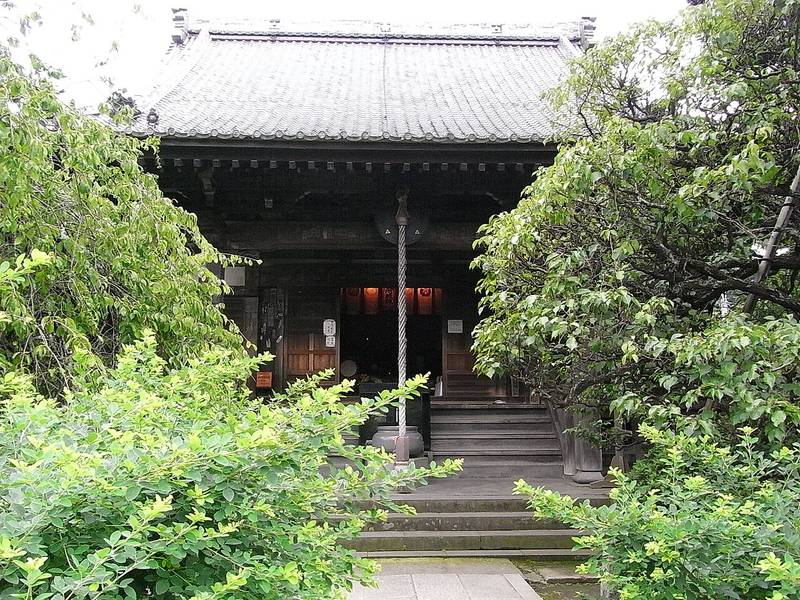
◆Deity enshrined: Bishamon-ten ◆Pilgrimage: 3/8. Built to mourn the Hojo clan on the former site of their residence, known as the 'Temple of Bush Clover' ◆Visiting hours: April–September 9:30–16:30 / October–March 9:30–16:00. Adults ¥300, Junior high school students ¥200, Elementary school students ¥100 ◆Access: 13-minute walk from Kamakura Station ◆Highlights: White bush clover in early autumn (Temple of Bush Clover), and seasonal flowers such as spider lilies and plum blossoms
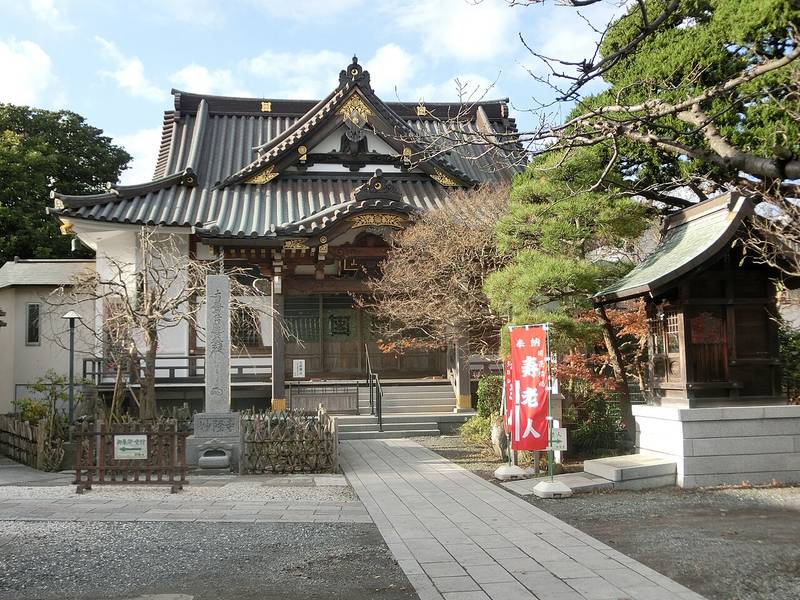
◆Deity enshrined: Jurojin (God of Longevity). Jurojin statue carved from a single zelkova tree ◆Pilgrimage: 4/8. Founded in 1385, retains the Gyohō-ike pond associated with the ascetic monk 'Nabokamuri Nisshin' ◆Visiting hours: 10:00–16:00 (January only 9:00–16:00) / Donation ◆Goshuin: Reception 10:00–16:00 (Closed 12:00–13:00) ◆Access: 10-minute walk from JR Kamakura Station East Exit
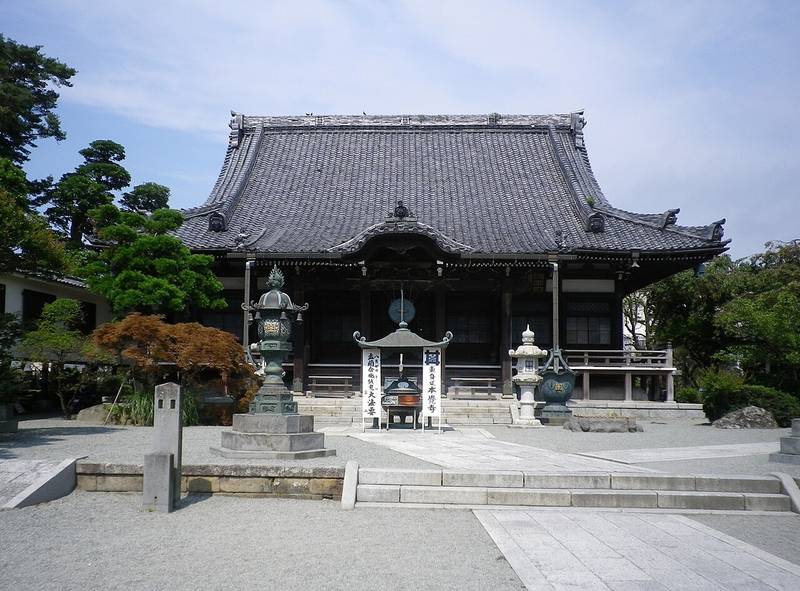
◆Deity enshrined: Ebisu (God of Commerce and Prosperity). Said to have been enshrined by Minamoto no Yoritomo as a protective deity for the back-northeastern direction of the shogunate ◆Pilgrimage: 5/8. The Ebisu-do hall is the designated spot, known as 'Higashi Minobu' of the Nichiren sect ◆Visiting: Temple office 9:00–16:00 / Donation ◆Access: 5-minute walk from JR Kamakura Station East Exit ◆Highlights: Bustling with visitors during the 'Hatsu-Ebisu' (First Ebisu) in the New Year and 'Hon-Ebisu' (Main Ebisu) on January 10th. Souvenir 'Nigiri-fuku' (clutching fortune)
3. Hase Area
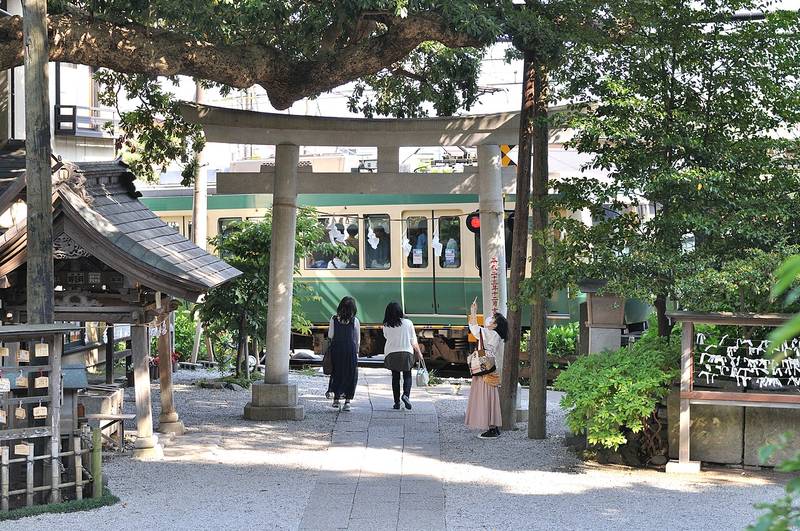
◆Deity enshrined: Fukurokuju (God of Longevity and Family Prosperity). Enshrined in the treasure hall (Hōzōkō) ◆Pilgrimage: 6/8. The main deity is Kamakura Gongoro Kagemasa ('Gongoro-sama') ◆Visiting: Grounds free. Treasure Hall 9:00–17:00 / Adults ¥100, Junior high/high school students ¥50 ◆Goshuin: Goryo Shrine offers Fukurokuju goshuin stamps at the shrine office ◆Access: 5-minute walk from Hase Station on the Enoden Line ◆Highlights: A popular photo spot where the Enoden train runs next to the torii gate, hydrangeas in June. *Photography is prohibited within the grounds
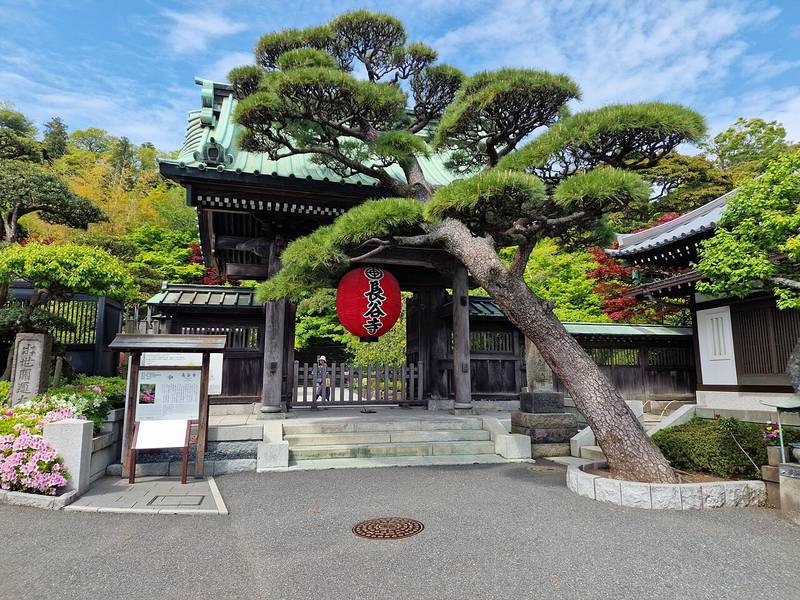
◆Deity enshrined: Daikokuten (Daikokuten who bestows wealth, success, and good fortune). Enshrined in the Daikoku-do Hall ◆Pilgrimage: 7/8. The principal image is an eleven-faced Kannon statue, 9.18m tall ◆Visiting hours: July–March 8:00–16:30 / April–June 8:00–17:00. Adults ¥400, Elementary school students ¥200 ◆Access: 5-minute walk from Hase Station on the Enoden Line ◆Highlights: 2,500 hydrangeas of 40 varieties (June), observation deck overlooking Yuigahama Beach (Sea View Terrace)
4. Enoshima Area
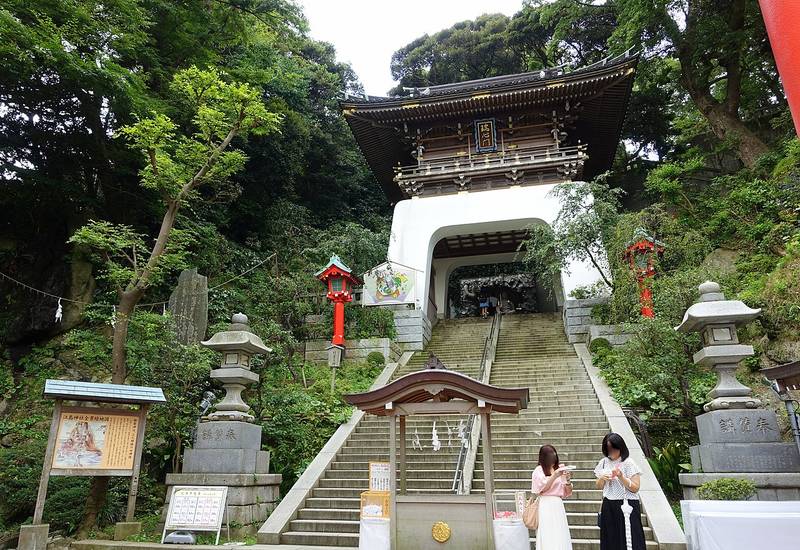
◆Deity enshrined: Benzaiten (Enoshima Benzaiten | Goddess of Money, Performing Arts, and Skill Improvement). One of Japan's Three Great Benzaiten. Enshrined in the Hoanden ◆Pilgrimage: 8/8 - Conclusion point. Hetsunomiya is the entrance to the three shrines (Hetsunomiya, Nakatsunomiya, Okutsunomiya) ◆Hoanden Visiting Hours: 8:30–16:30 / Adults ¥200, Junior high/high school students ¥100, Elementary school students ¥50 ◆Goshuin: Usually available. Limited edition stamps are added on 'Mi-no-hi' (days of the snake) ◆Access: Approx. 18-minute walk from Katase-Enoshima Station on the Odakyu Line (Approx. 23 minutes from Enoshima Station on the Enoden Line)
Plan your trip
Note: This list contains advertising (affiliate links).
Related lists
Kamakura Thirty-three Kannon Pilgrimage: 33 Sacred Sites in Kamakura
The Kamakura Thirty-three Kannon Pilgrimage is a pilgrimage route that visits 33 Kannon sacred sites within Kamakura City, Kanagawa Prefecture. We have compiled all 33 temples in order of their pilgrimage number, starting with Sugimoto-dera as No. 1.
33SO
50 Popular Goshuin Pilgrimages Across Japan
We have carefully selected beautiful goshuin from all over Japan, steeped in history and tradition. You will feel a sacred beauty that will make your back straighten, with delicate brushstrokes and rich colors. Why not leave your daily life behind and embark on a prayer journey for peace of mind?
Check off the places you visitand keep photos and notes.
Edit it however you like.
Sign up freeStart with your Google accountGet started right away, free