The Seven Gods of Fortune Pilgrimage in the Capital
Keep a record of this trip
Sign up freeThe Seven Gods of Fortune Pilgrimage in the Capital

The Seven Gods of Fortune pilgrimage, said to be the oldest in Japan and originating in Kyoto. You will visit all Seven Gods of Fortune at 7 temples and shrines: Ebisujinja Shrine, Matsugasaki Daikokuten, Toji Temple, Rokuharamitsuji Temple, Sekizanzen-in Temple, Kado, and Manpukuji Temple. You can visit them year-round, not just during the New Year, and it is said that the merits are greater during the New Year period when it is particularly lively. The temples and shrines are widely dispersed from Northern Kyoto to Uji, and you can visit them in any order from any starting point (if efficiency is prioritized, North to South is one example). Completing it on foot in one day is difficult; using a combination of trains and walking or cars is more realistic. The central Kado, Ebisujinja Shrine, and Rokuharamitsuji Temple do not have dedicated parking. Please check the official website for details on how to receive Goshuin (temple stamps), Shikishi (large amulets), and Ojiku (scrolls), as well as their prices and reception hours. You can record your 'Seven Gods of Fortune Completion' upon check-in.
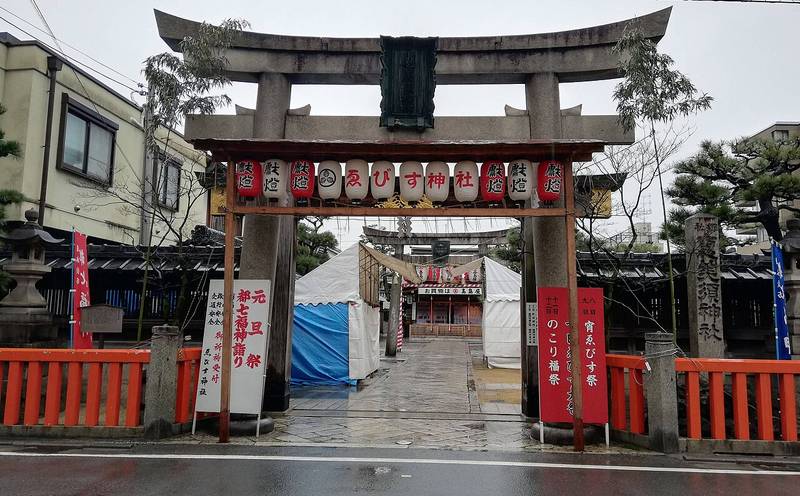
A shrine said to have been founded in 1202 by Eisai, the founder of the Rinzai sect, as a guardian shrine for Kenninji Temple. It is one of the 'Three Great Ebisu Shrines of Japan', alongside Nishinomiya and Imamiya Ebisu, and is affectionately known as 'Ebessan' by locals. It is a place of worship for prosperity in business and is also known for the custom of notifying your visit by tapping the board next to the main hall. Located in Higashiyama Ward, about a 6-minute walk from Keihan Gion-Shijo Station, in the Gion area. *Please check the official website for Goshuin, reception hours, and prices.
A temple of the Nichiren sect, said to have been founded in 1616, with the official name Myoenji. The principal image, a statue of Daikokuten, is said to be a work by Dengyo Daishi Saicho, and is affectionately known as 'Matsugasaki no Daikoku-san'. The temple is also known for the '法' character lit on the mountain behind it during the Gozan no Okuribi (Five Mountains of the Daimonji Festival). The festival day is every 60th day, the day of the Kinshi. Located in Sakyo Ward, about a 10-minute walk from Eizan Railway's Shugakuin Station. *Please check the official website for Goshuin, reception hours, and prices.
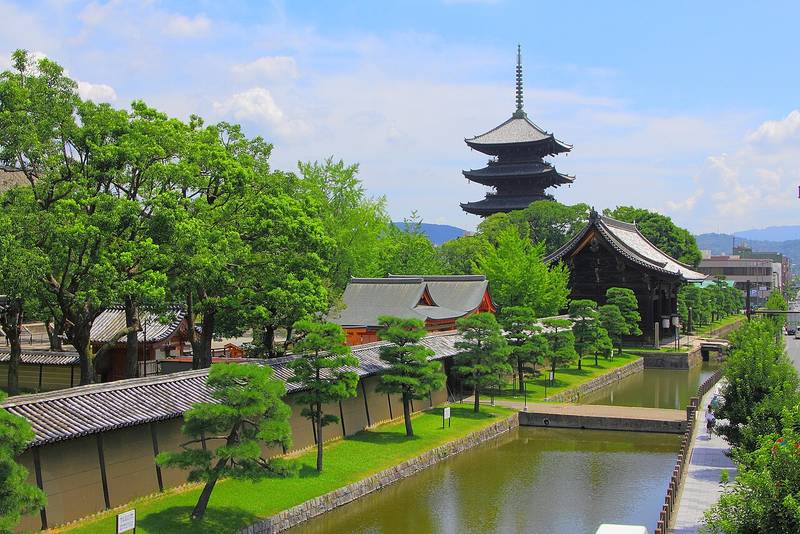
Founded in 796 and granted to Kobo Daishi Kukai in 823, it is the head temple of the Shingon sect and a UNESCO World Heritage site, 'Historic Monuments of Ancient Kyoto'. The five-story pagoda, about 55 meters high, is a National Treasure and is known as the tallest wooden pagoda in Japan. The temple is also famous for the National Treasure 'Tobatsu Bishamonten' statue brought from Tang China. Located in Minami Ward, about a 10-minute walk from Kintetsu Toji Station, near Kyoto Station. A Kobo-san market is held on the 21st of every month. *Please check the official website for Goshuin, visiting hours, and prices.
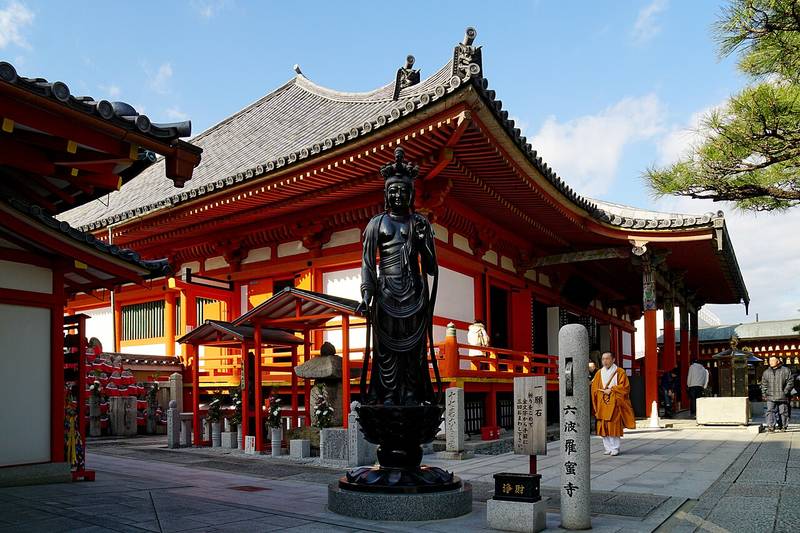
A temple of the Shingon-Chisan sect, said to have been founded in 951 by Kuya Shonin, who was known as 'Ichibyo'. It is known for housing the statue of Kuya Shonin (Important Cultural Property, by Kounsho) with six Amida Buddhas emerging from its mouth, and the seated statue of Taira no Kiyomori (Important Cultural Property) in the Treasure Hall. The temple enshrines Benzaiten, one of the Seven Gods of Fortune in the Capital. Located in Higashiyama Ward, about a 7-minute walk from Keihan Kiyomizu-Gojo Station, in the Kiyomizu/Gion area. *Please check the official website for Goshuin, visiting hours, and prices.
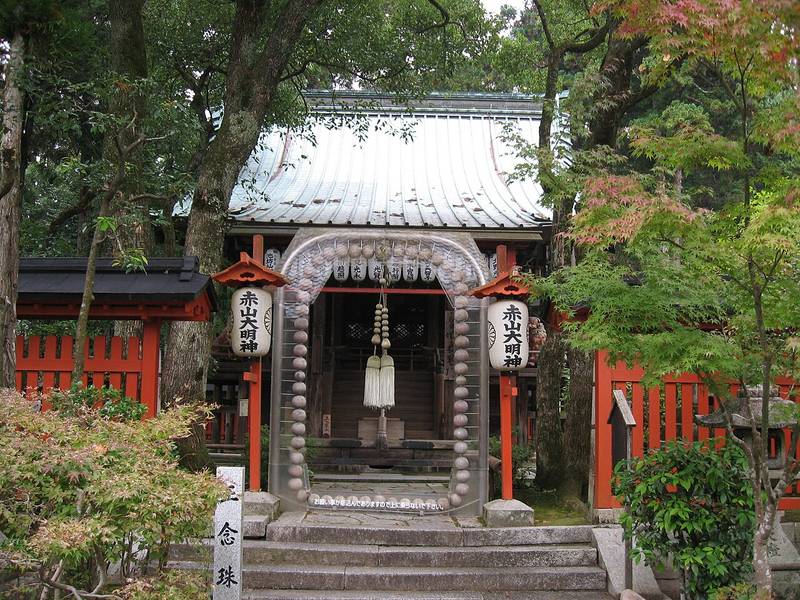
A Tendai sect temple founded in 888 by the dying wish of Jikaku Daishi Ennin, and a sub-temple of Hieizan Enryakuji Temple. The principal image is Taizan Fukun (Sekizan Daimyojin). It is located at the northeastern 'omote kimon' (front鬼門) from Kyoto Imperial Palace and is worshipped as a deity for warding off misfortune. A divine monkey, guarding the kimon of the Imperial Palace, is enshrined on the roof of the worship hall. It is also known as 'Momiji-dera' (Maple Temple), a famous spot for autumn foliage. Located in Shugakuin, Sakyo Ward, about a 20-minute walk from Eizan Railway's Shugakuin Station. *Please check the official website for Goshuin, reception hours, and prices.
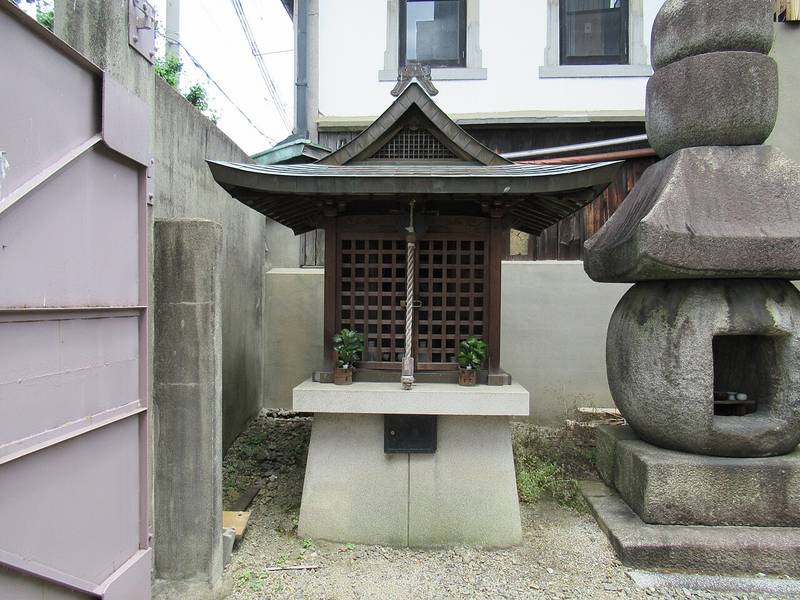
Japan, 〒604-0991 Kyoto Prefecture, Kyoto City, Nakagyo Ward, Teramachi-dori Takeya-cho Agaru Ganyoji Monzen-cho 17
A Tendai sect temple opened in 1004 by En'en Shonin, with the principal image being Senju Kannon (Thousand-armed Kannon). Because En'en always wore deerskin, he was called 'Kawa-no-Hijiri' (Saint of Leather), and the temple is also commonly known as 'Kado' (Leather Temple). It is the 19th temple on the Saigoku 33 Kannon Pilgrimage, and the temple enshrines Jurōjin, one of the Seven Gods of Fortune in the Capital. The current main hall was built in 1815. Located along Teramachi Street in Nakagyo Ward, about a 15-minute walk from Subway Kyoto Shiyakusho-mae Station. *Please check the official website for Goshuin, visiting hours, and prices.
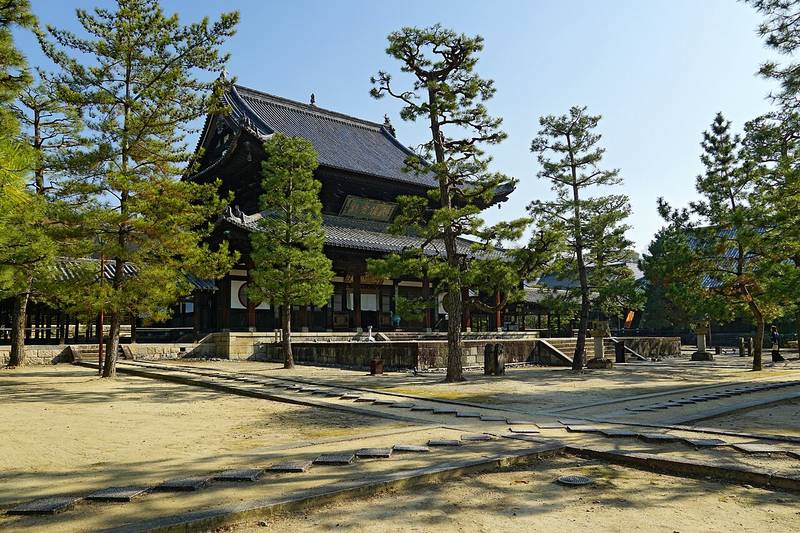
The head temple of the Obaku Zen sect, founded in 1661 by Ingen Ryuki, who came from Ming Dynasty China. Its characteristic feature is the temple buildings in the style of Ming Dynasty China, and the Kingo-den, Daiyu-hōden, and Hōdō are National Treasures. The Kingo-den enshrines a statue of Hotei Son (Miroku Bosatsu). Ingen is also known for introducing Chinese culture such as Fucha cuisine, sencha (green tea), and ingen beans to Japan. Located in Uji City, about a 5-minute walk from JR Nara Line and Keihan Uji Line's Obaku Station. *Please check the official website for Goshuin, visiting hours, and prices.
Plan your trip
Note: This list contains advertising (affiliate links).
Related lists
Yanaka Shichifukujin Meguri
A tour of the 7 Shichifukujin (Seven Lucky Gods) in Ueno, Yanaka, Nippori, and Tabata, said to be the oldest Shichifukujin pilgrimage in Edo (approx. 250 years old). It is characterized by consisting entirely of temples. Starting from Tabata Station, you can visit all the gods in about 2-3 hours on foot, covering approximately 5.5-6 km to Ueno. Visiting in any order or splitting over several days is also possible. Shikishi (paper for calligraphy) and Goshuin (temple stamps) are generally only available during the New Year period (around January 1st to 10th). The offering fee and method vary by year, so please check the official website (visiting the temples is possible year-round). If your goal is Goshuin, visit during New Year; if you want to walk quietly, visit after the New Year period. Highlights at each temple include the Akagami Nio (red paper guardian kings) at Tokaku-ji Temple, the Hotei wall painting at Shuseiin Temple, and the site of the five-story pagoda at Tennoji Temple. You can record "Shichifukujin Complete" by checking in.
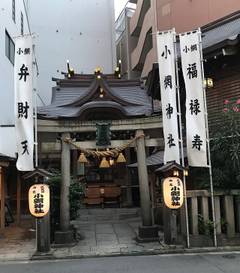
Nihonbashi Shichifukujin Meguri
A tour of 7 shrines in Tokyo Nihonbashi, visiting the Seven Gods of Fortune. It is characterized by being the shortest in Japan, consisting of all shrines, covering approximately 3.3km and taking about 50 minutes to 1 hour and a half on foot. You can walk through the downtown atmosphere of Ningyocho, Kakigaracho, and Hamacho, and visit all Seven Gods of Fortune at the 7 shrines. The nearest stations are Ningyocho Station and Suitengumae Station. Visiting in any order or splitting over several days is also fine. Shikishi (colored paper), treasure ships, and Goshuin (temple stamps) are generally only available during the New Year period (from New Year's Day to around January 7th). The method and offering fee vary by year, so please check the official website. (Visiting the shrines themselves is possible year-round). You can record your progress towards "Seven Gods of Fortune Complete" as you check in.
Japan's 100 Kannon Pilgrimage
This is a list for visiting the 100 temples that make up Japan's 100 Kannon, combining the three great Kannon pilgrimage sites: the Saigoku 33 Kannon, the Bandō 33 Kannon, and the Chichibu 34 Kannon. Completing all three pilgrimage routes signifies the fulfillment of the 100 Kannon pilgrimage, with the final temple being Chichibu's 34th temple, Suisenshi. The temples are organized in order of their temple number for each pilgrimage route, with the principal image and highlights of each temple noted. Please check the official information as visiting hours, admission fees, etc., may change.
100SO
Saigoku 33 Kannon Pilgrimage
A pilgrimage route, considered the oldest in Japan, spanning 33 Kannon sacred sites across 2 prefectures and 4 prefectures of Kinki, as well as Gifu (founded by Tokudo Shonin in 718, revived by Emperor Kazan in 1007, and designated a Japan Heritage site in 2019). All principal images are Kannon Bodhisattva, from the first temple, Seiganto-ji (Nachi), to the 33rd temple, Kegon-ji (Tani-gumi, the final temple). There is no set order to visit the temples, no deadline, and you can visit them in any order you like, over multiple trips. It is practical to visit them grouped by prefecture, and accessible by car or public transport. Some temples are difficult to access, with mountain paths or long stone staircases: Shofuku-ji (4th), Kami-daigo (11th), Chomei-ji (31st), and Kannon-sho-ji (32nd). Goshuin (temple stamps/calligraphy) are issued at each temple; please check the official website for procedures and fees. The 3 supplementary temples and thanksgiving visits are optional; completion is achieved at the 33 temples. You can record your 33 visits with a map and check-ins.
33SO
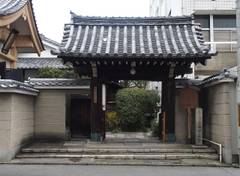
Rakuyo Thirty-three Kannon Pilgrimage: Kyoto's 33 Sacred Places
The Rakuyo Thirty-three Kannon Sacred Places is a Kannon pilgrimage route that can be visited entirely within Kyoto City. All 33 sacred places are listed in order of their number (Temples 10-14 are consolidated under Kiyomizu-dera as they are 5 halls within the Kiyomizu-dera grounds).
29SO
Tokyo Jissha Meguri (Tour of the Ten Shrines of Tokyo)
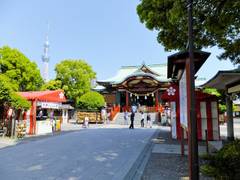
A list of tours of the 'Tokyo Jissha' (Ten Shrines of Tokyo), which originated from the semi-imperial shrines established in the first year of Meiji (1868) by Emperor Meiji to pray for the protection of Tokyo. You can visit 10 historic shrines in Tokyo's 23 wards, such as Kanda Myojin, Hie Shrine, Nezu Shrine, and Tomioka Hachimangu, on a map. A special Goshuincho (temple/shrine stamp book) is also available at each shrine. Please check the official website of each shrine for the latest information, as Goshuin授与 (granting) hours, fees, festivals, and the best times to see seasonal flowers may change. You can record your visits and aim to complete all ten shrines.
10SO
Check off the places you visitand keep photos and notes.
Edit it however you like.
Sign up freeStart with your Google accountGet started right away, free