Preservation Districts for Groups of Traditional Buildings Nationwide: A Tour of Old Townscapes
Keep a record of this trip
Sign up freePreservation Districts for Groups of Traditional Buildings Nationwide: A Tour of Old Townscapes

"Preservation Districts for Groups of Traditional Buildings" (Jū-den-ken) are areas with high-value traditional townscapes designated by the Minister of Education, Culture, Sports, Science and Technology based on the Law for the Protection of Cultural Properties. They include diverse townscapes such as castle towns, post towns, temple towns, port towns, rural villages, and fishing villages. As of 2024, 129 districts have been selected across 43 prefectures. This list is organized by region: Hokkaido, Tohoku, Kanto, Chubu, Kinki, Chugoku, Shikoku, and Kyushu/Okinawa.
Hokkaido

Motomachi Suehirocho in Hakodate City, Hokkaido. This is a historic townscape known as a port town and is one of the Preservation Districts for Groups of Traditional Buildings (Jū-den-ken) designated by the national government based on the Law for the Protection of Cultural Properties.
Tohoku
Nakacho in Hirosaki City, Aomori Prefecture. Its townscape, which preserves the appearance of a samurai district, has been recognized and selected as a Preservation District for Groups of Traditional Buildings (Jū-den-ken) by the national government.
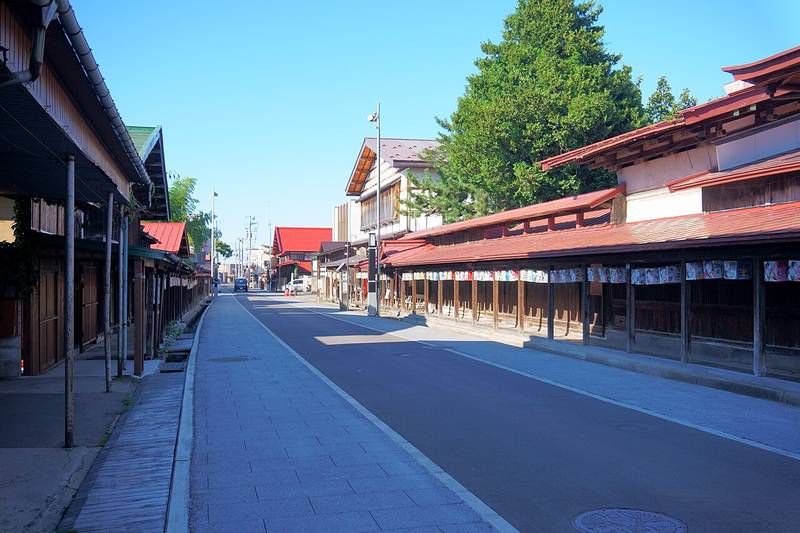
Nakacho, remaining in Kuroishi City, Aomori Prefecture. This townscape retains the vestiges of a merchant town and is counted as one of the Preservation Districts for Groups of Traditional Buildings (Jū-den-ken) based on the Law for the Protection of Cultural Properties.
Jōnai Suwa Kōji in Kanegasaki Town, Iwate Prefecture. This townscape preserves the appearance of its time as a samurai district and is a nationally designated Preservation District for Groups of Traditional Buildings (Jū-den-ken).
Murata in Murata Town, Miyagi Prefecture. This is a town with a continuing charming streetscape of merchant houses and is one of the Preservation Districts for Groups of Traditional Buildings (Jū-den-ken) based on the Law for the Protection of Cultural Properties.
Masuda in Yokote City, Akita Prefecture. This historic townscape, known as a local commercial town, is one of the Preservation Districts for Groups of Traditional Buildings (Jū-den-ken) designated by the national government based on the Law for the Protection of Cultural Properties.
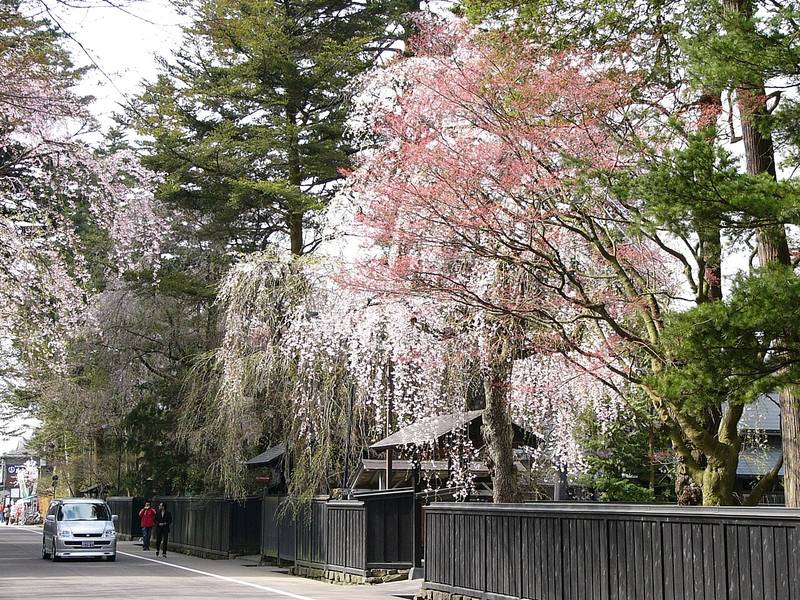
Odachi, remaining in Kitakata City, Fukushima Prefecture. This townscape retains the vestiges of a local commercial town and brewing town and is counted as one of the Preservation Districts for Groups of Traditional Buildings (Jū-den-ken) based on the Law for the Protection of Cultural Properties.
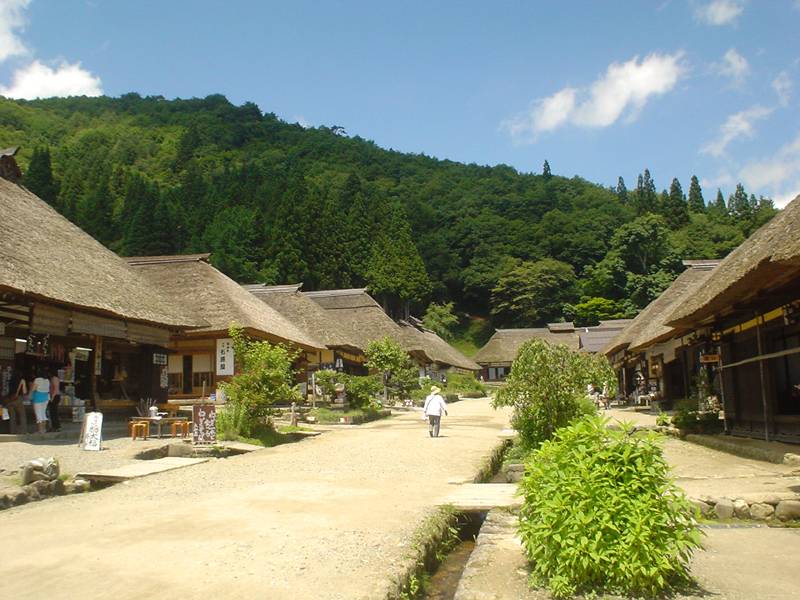
Maezawa in Minamiaizu Town, Fukushima Prefecture. This is a town with a continuing charming streetscape of a mountain village settlement and is one of the Preservation Districts for Groups of Traditional Buildings (Jū-den-ken) based on the Law for the Protection of Cultural Properties.
Kanto
Makabe in Sakuragawa City, Ibaraki Prefecture. This historic townscape, known as a local commercial town, is one of the Preservation Districts for Groups of Traditional Buildings (Jū-den-ken) designated by the national government based on the Law for the Protection of Cultural Properties.
Kaemoncho in Tochigi City, Tochigi Prefecture. Its townscape, which preserves the appearance of a local commercial town, has been recognized and selected as a Preservation District for Groups of Traditional Buildings (Jū-den-ken) by the national government.
Kiryu Shinmachi, remaining in Kiryu City, Gunma Prefecture. The townscape retains the appearance of a weaving town and is counted as one of the Important Preservation Districts for Groups of Traditional Buildings (Judenken) based on the Law for the Protection of Cultural Properties.
Kuni Akaiwa, Nakanojo Town, Gunma Prefecture. The townscape retains the appearance of its time as a mountain village and sericulture settlement, and is an Important Preservation District for Groups of Traditional Buildings (Judenken) selected by the country.

Kawagoe in Kawagoe City, Saitama Prefecture. It is a town with a charming townscape of merchant houses, and is one of the Important Preservation Districts for Groups of Traditional Buildings (Judenken) based on the Law for the Protection of Cultural Properties.
Sawara in Katori City, Chiba Prefecture. It is a historic townscape known as a merchant town, and is one of the Important Preservation Districts for Groups of Traditional Buildings (Judenken) designated by the country based on the Law for the Protection of Cultural Properties.
Chubu
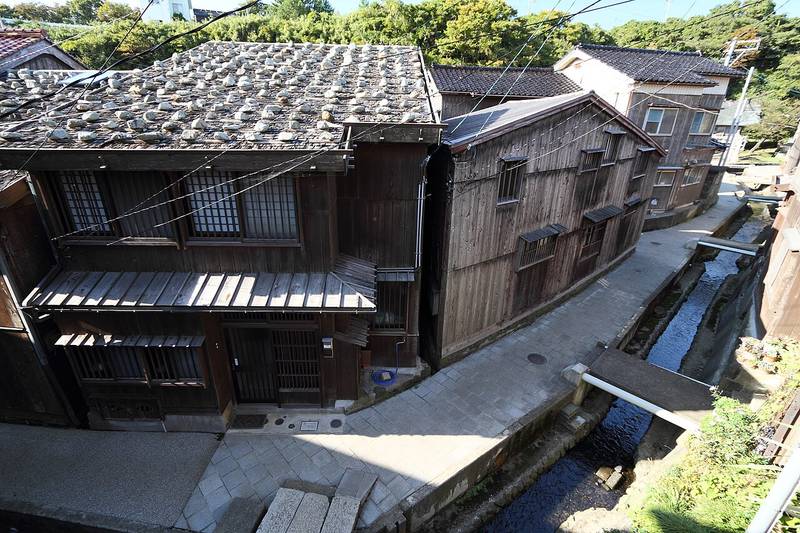
Shukunegi in Sado City, Niigata Prefecture. The townscape, which conveys the appearance of a port town to this day, has been recognized and selected as an Important Preservation District for Groups of Traditional Buildings (Judenken) designated by the country.
Ogi Town, remaining in Sado City, Niigata Prefecture. The townscape retains the appearance of a port town and is counted as one of the Important Preservation Districts for Groups of Traditional Buildings (Judenken) based on the Law for the Protection of Cultural Properties.
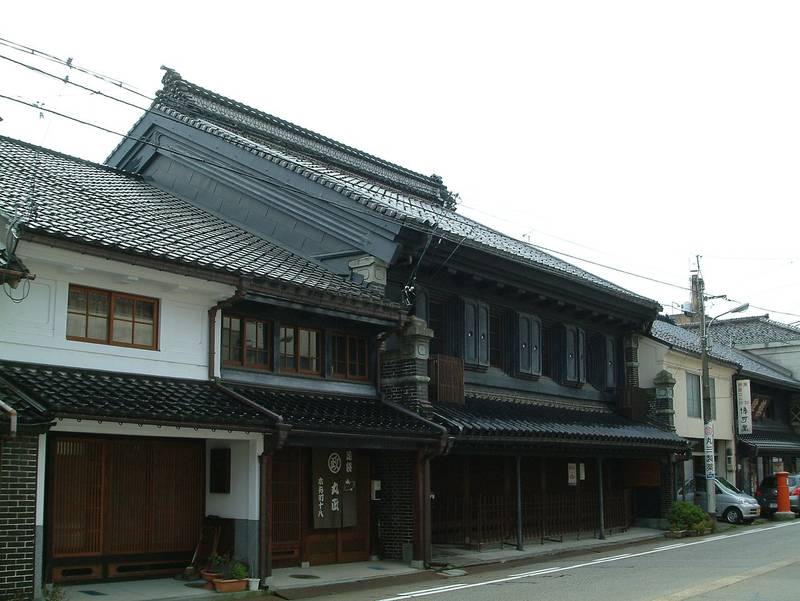
Kanaya Town in Takaoka City, Toyama Prefecture. It is a town with a charming row of houses in a casting town, and is one of the Important Preservation Districts for Groups of Traditional Buildings (Jū-den-ken) based on the Law for the Protection of Cultural Properties.
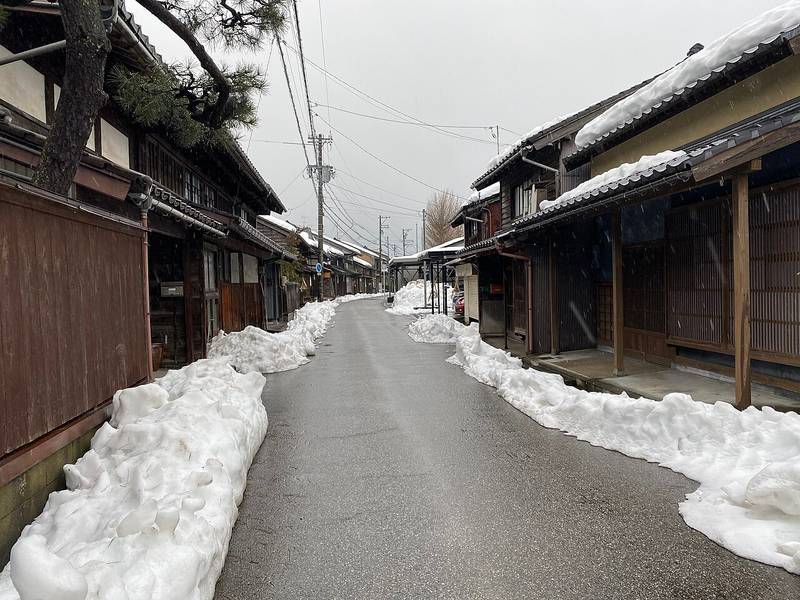
Yoshihisa in Takaoka City, Toyama Prefecture. It is a historic townscape known as a rural town, and is one of the Important Preservation Districts for Groups of Traditional Buildings (Judenken) designated by the country based on the Law for the Protection of Cultural Properties.
Aigura (Gokayama) in Nanto City, Toyama Prefecture. A mountain village settlement with remaining gassho-zukuri houses, it is one of the Important Preservation Districts for Groups of Traditional Buildings (Jū-den-ken) under the Law for the Protection of Cultural Properties.
Suganuma (Gokayama) in Nanto City, Toyama Prefecture. It is a mountain village settlement with rows of gassho-zukuri houses, and is counted as one of the Important Preservation Districts for Groups of Traditional Buildings (Jū-den-ken) selected by the country.
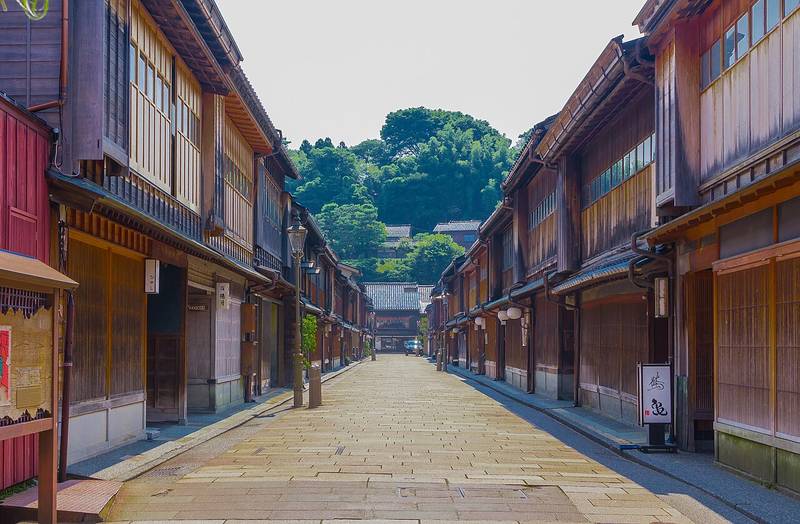
Kazue-machi in Kanazawa City, Ishikawa Prefecture. A town with a charming row of houses in the style of a teahouse district, it is one of the Important Preservation Districts for Groups of Traditional Buildings (Jū-den-ken) under the Law for the Protection of Cultural Properties.
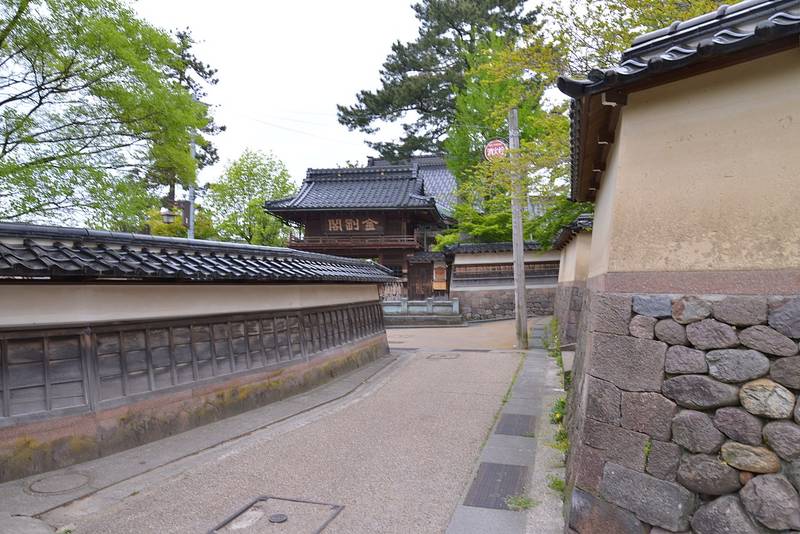
Uda-tsu Mountain Foothill in Kanazawa City, Ishikawa Prefecture. It is a historic townscape known as a temple town, and is one of the Important Preservation Districts for Groups of Traditional Buildings (Jū-den-ken) selected by the country based on the Law for the Protection of Cultural Properties.
Teramachi-dai in Kanazawa City, Ishikawa Prefecture. The townscape, which conveys the appearance of a temple town to this day, has been recognized and selected as an Important Preservation District for Groups of Traditional Buildings (Judenken) designated by the country.
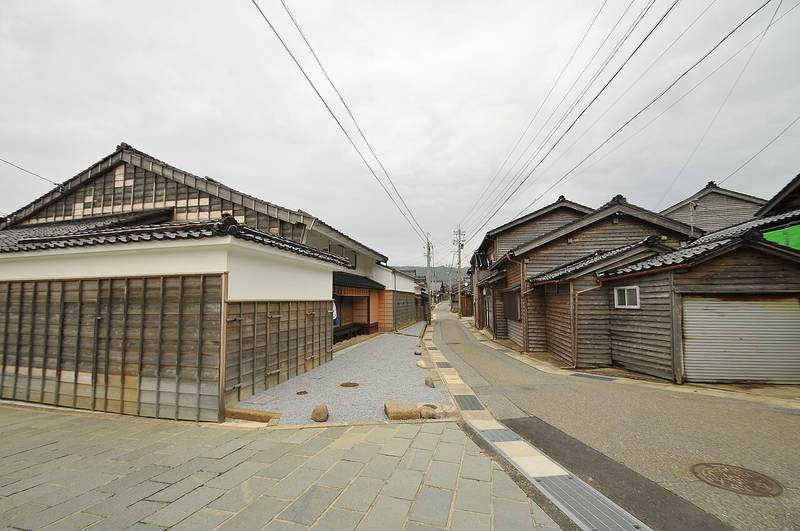
Kuroshima district in Wajima City, Ishikawa Prefecture. The townscape retains the vestiges of a shipowners' settlement, and is counted as one of the Important Preservation Districts for Groups of Traditional Buildings (Jū-den-ken) under the Law for the Protection of Cultural Properties.
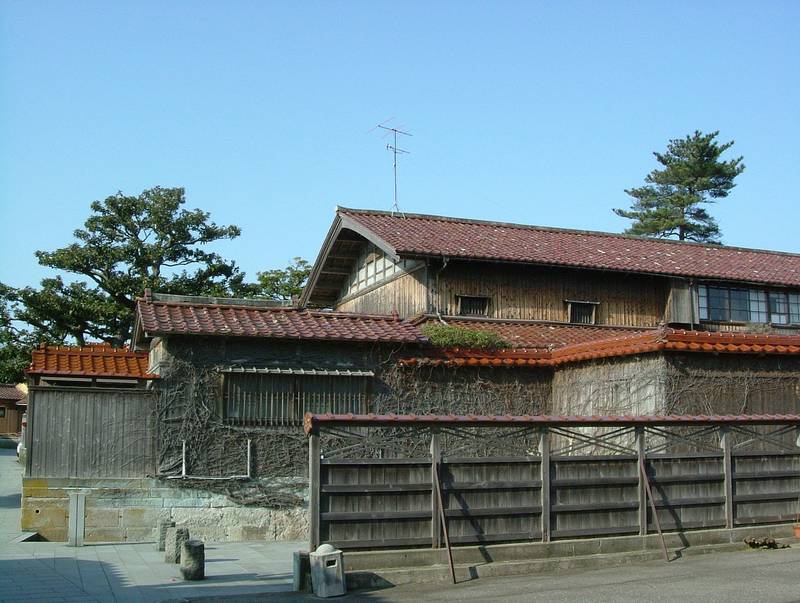
Kaga Hashidate in Kaga City, Ishikawa Prefecture. It is a townscape that retains the appearance of its past prosperity as a shipping merchant settlement, and is an Important Preservation District for Groups of Traditional Buildings (Jū-den-ken) selected by the country.
Kaga Higashidani in Kaga City, Ishikawa Prefecture. It is a town with a charming townscape of mountain village settlements, and is one of the Important Preservation Districts for Groups of Traditional Buildings (Judenken) based on the Law for the Protection of Cultural Properties.
Shiramine in Hakusan City, Ishikawa Prefecture. It is a historic townscape known as a mountain village and sericulture settlement, and is one of the Important Preservation Districts for Groups of Traditional Buildings (Judenken) selected by the country based on the Law for the Protection of Cultural Properties.
Obama Nishigumi in Obama City, Fukui Prefecture. Its townscape, which conveys the image of a merchant town and teahouse town to this day, has been recognized and selected as an Important Preservation District for Groups of Traditional Buildings (Jū-den-ken) by the country.

Imazuku-juku, remaining in Echizen-chō, Fukui Prefecture. The townscape retains the appearance of a post town and is counted as one of the Important Preservation Districts for Groups of Traditional Buildings (Judenken) based on the Law for the Protection of Cultural Properties.

Kumagawa-juku in Wakasa Town, Fukui Prefecture. It is a townscape that retains the appearance of its days as a prosperous post town, and is a nationally selected Important Preservation District for Groups of Traditional Buildings (Judenken).
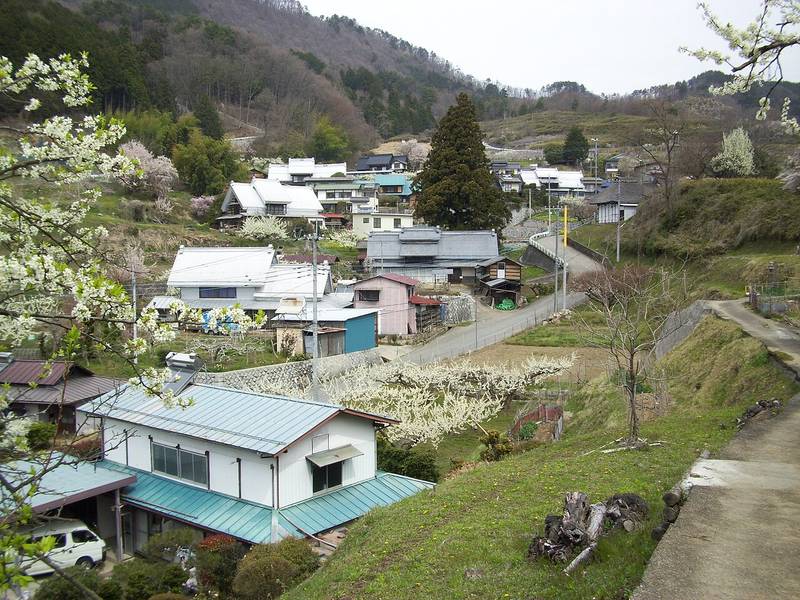
Enzan Shimoodawara Kamijo in Koshu City, Yamanashi Prefecture. It is a town with a charming row of houses in a mountain village and sericulture settlement, and is one of the Important Preservation Districts for Groups of Traditional Buildings (Jū-den-ken) based on the Law for the Protection of Cultural Properties.
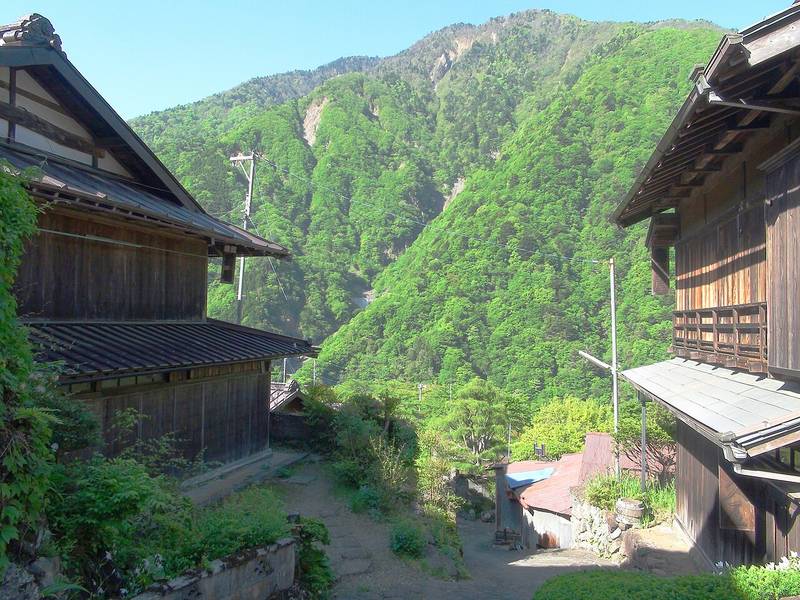
Akazawa in Hayakawa Town, Yamanashi Prefecture. It is a historic townscape known as a mountain village and Kōjū-juku (pilgrimage lodging), and is one of the Important Preservation Districts for Groups of Traditional Buildings (Judenken) designated by the country based on the Law for the Protection of Cultural Properties.
Togakushi in Nagano City, Nagano Prefecture. The townscape, which conveys the appearance of the shukubo (temple lodgings) and temple town, has been recognized and selected as an Important Preservation District for Groups of Traditional Buildings (Judenken) by the country.
Suzaka, remaining in Suzaka City, Nagano Prefecture. It is a townscape that retains the appearance of a silk production town and merchant town, and is counted as one of the Important Preservation Districts for Groups of Traditional Buildings (Jū-den-ken) based on the Law for the Protection of Cultural Properties.
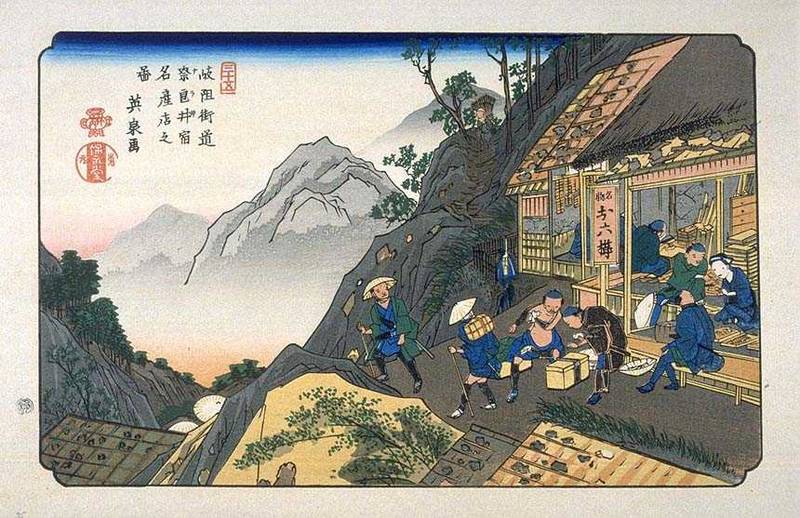
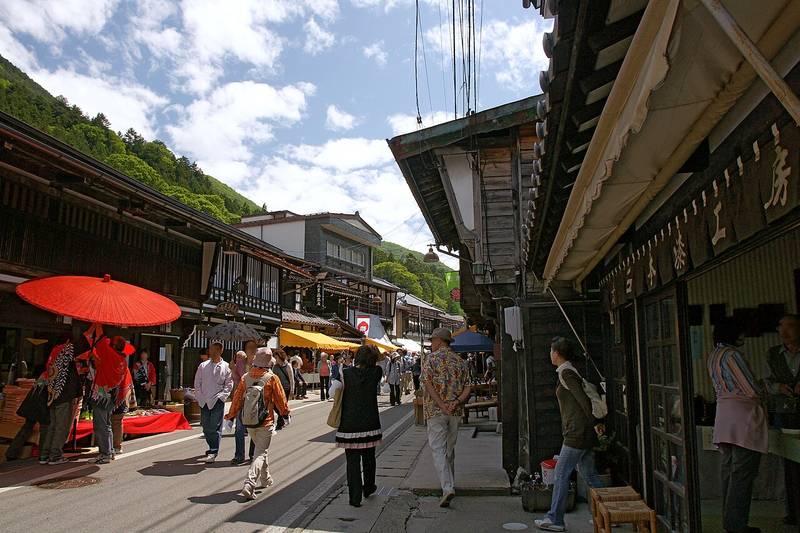
Kiso-Hirasawa in Shiojiri City, Nagano Prefecture. It is a town with a charming row of houses in a lacquerware town, and is one of the Important Preservation Districts for Groups of Traditional Buildings (Judenken) based on the Law for the Protection of Cultural Properties.
Inariyama in Chikuma City, Nagano Prefecture. It is a historic townscape known as a merchant town, and is one of the Important Preservation Districts for Groups of Traditional Buildings (Jū-den-ken) selected by the country based on the Law for the Protection of Cultural Properties.
Unno-juku in Tōmi City, Nagano Prefecture. The townscape, which conveys the appearance of a post town and sericulture town to this day, has been recognized and selected as an Important Preservation District for Groups of Traditional Buildings (Judenken) designated by the country.
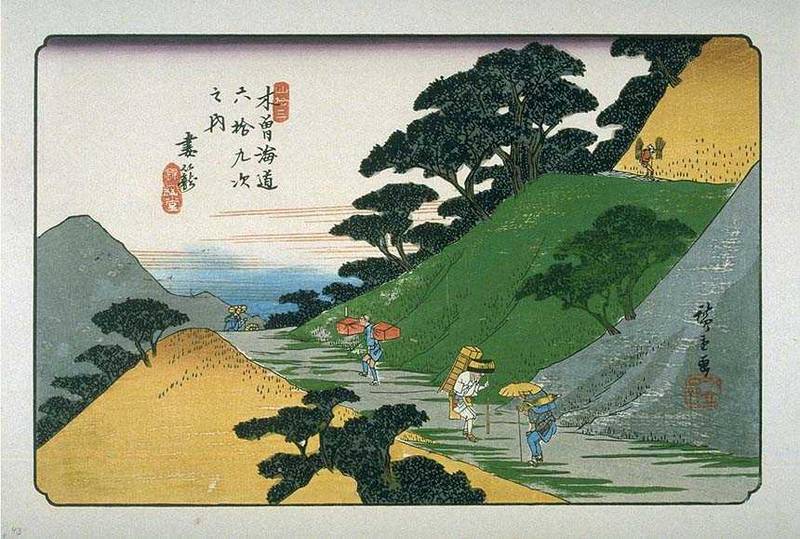
Tsumago-juku, remaining in Nagiso Town, Nagano Prefecture. It is a townscape that retains the appearance of a post town, and is counted as one of the Important Preservation Districts for Groups of Traditional Buildings (Judenken) based on the Law for the Protection of Cultural Properties.

Aooni in Hakuba Village, Nagano Prefecture. It is a townscape that retains the appearance of its past prosperity as a mountain village settlement, and is an Important Preservation District for Groups of Traditional Buildings (Jū-den-ken) selected by the country.
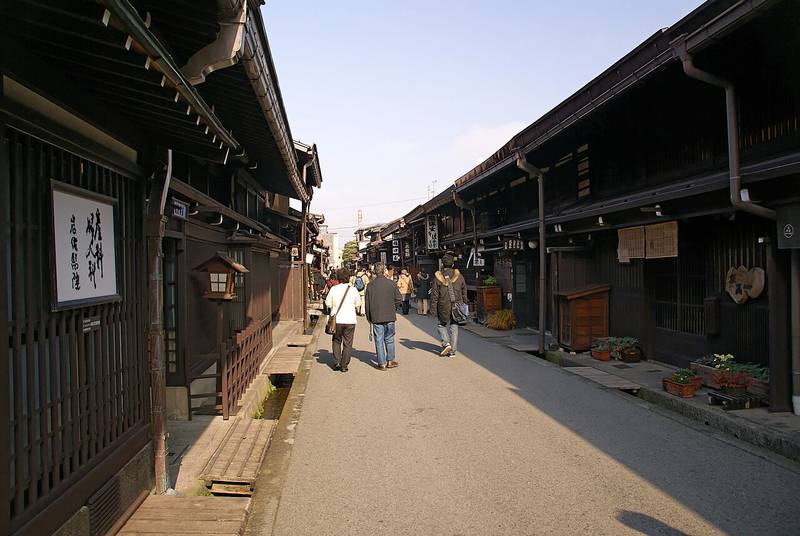
Sanmachi in Takayama City, Gifu Prefecture. It is a town with a charming townscape of merchant houses, and is one of the Important Preservation Districts for Groups of Traditional Buildings (Judenken) based on the Law for the Protection of Cultural Properties.
Shimo-Ichino-machi Oshin-machi in Takayama City, Gifu Prefecture. It is a historic townscape known as a merchant town, and is one of the Important Preservation Districts for Groups of Traditional Buildings (Judenken) selected by the country based on the Law for the Protection of Cultural Properties.
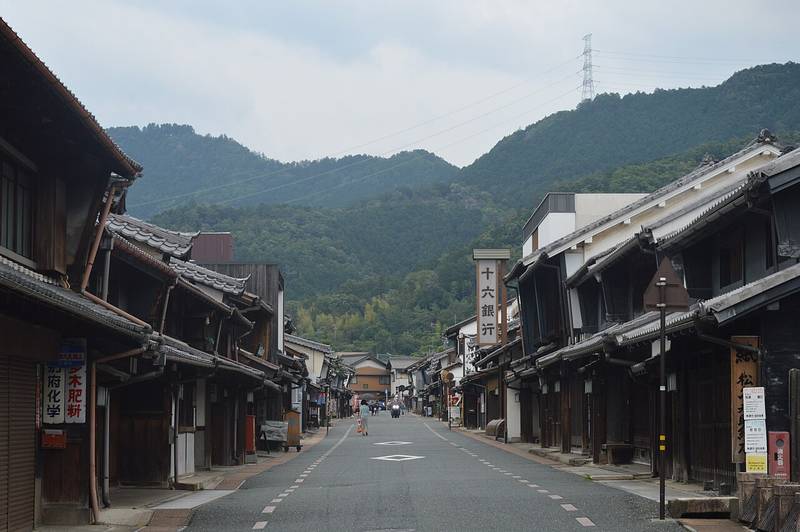
Mino Town in Mino City, Gifu Prefecture. Its townscape, which conveys the image of a merchant town to this day, has been recognized and selected as an Important Preservation District for Groups of Traditional Buildings (Jū-den-ken) by the country.
Iwamura Town Hondori, remaining in Ena City, Gifu Prefecture. The townscape retains the appearance of a merchant town and is counted as one of the Important Preservation Districts for Groups of Traditional Buildings (Judenken) based on the Law for the Protection of Cultural Properties.
Gujo Hachiman Kita-machi in Gujo City, Gifu Prefecture. It is a townscape that retains the appearance of its days as a prosperous castle town, and is a nationally selected Important Preservation District for Groups of Traditional Buildings (Judenken).
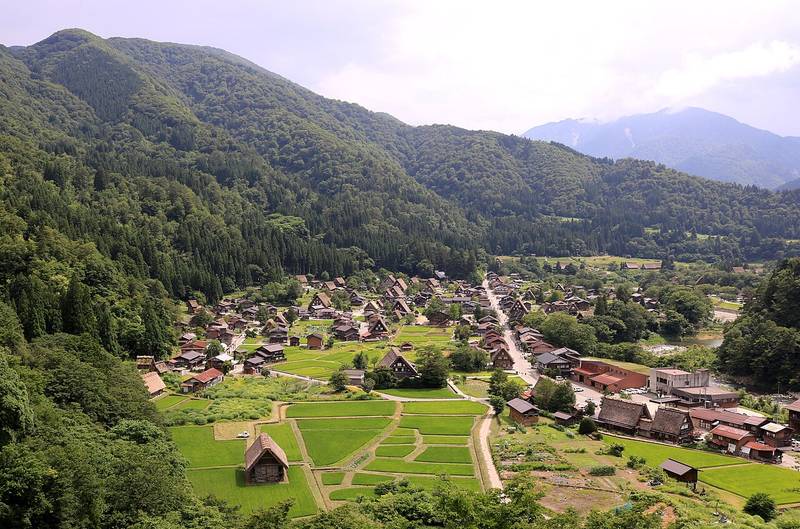
Ogimachi (Shirakawa-go) in Shirakawa Village, Gifu Prefecture. It is known as a mountain village settlement with rows of gassho-zukuri houses, and is one of the Important Preservation Districts for Groups of Traditional Buildings (Jū-den-ken) based on the Law for the Protection of Cultural Properties.
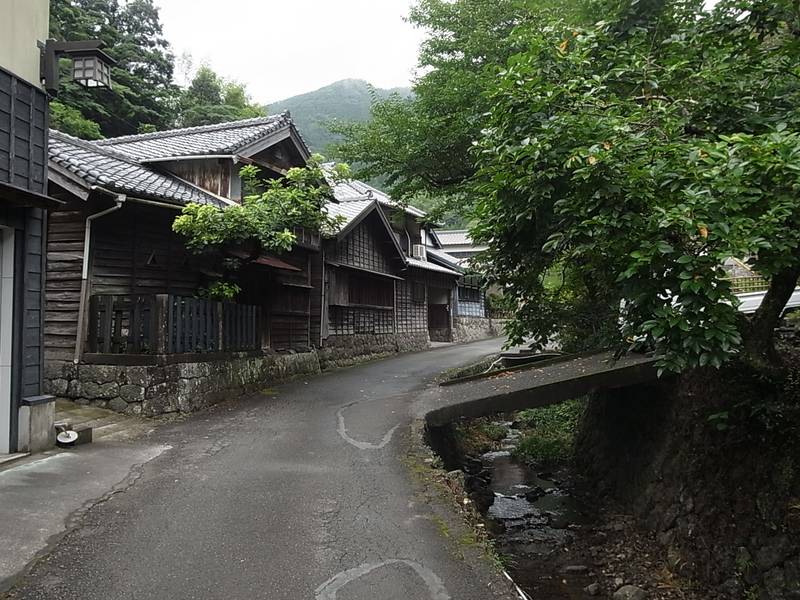
Hanazawa in Yaizu City, Shizuoka Prefecture. It is a town with a charming townscape of mountain village settlements, and is one of the Important Preservation Districts for Groups of Traditional Buildings (Judenken) based on the Law for the Protection of Cultural Properties.
Arimatsu in Midori Ward, Nagoya City, Aichi Prefecture. It is a historic townscape known as a dyeing and weaving town, and is one of the Important Preservation Districts for Groups of Traditional Buildings (Judenken) selected by the country based on the Law for the Protection of Cultural Properties.
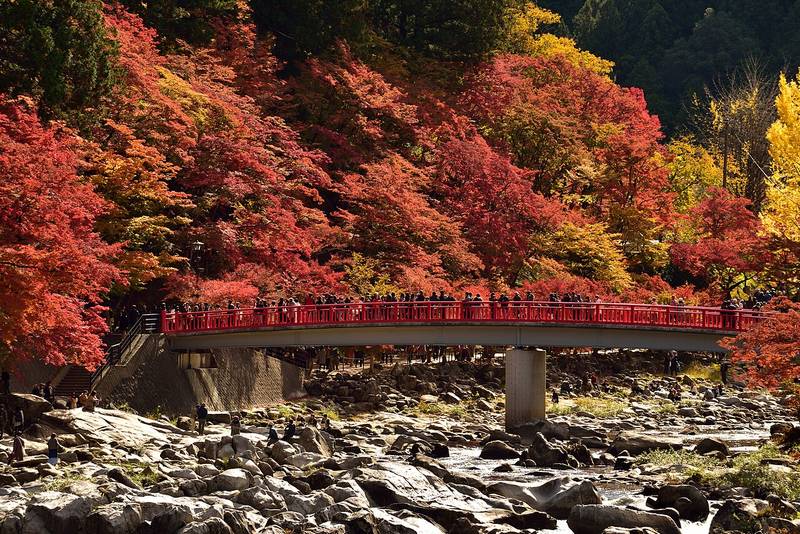
Ase in Toyota City, Aichi Prefecture. Its townscape, which conveys the image of a merchant town to this day, has been recognized and selected as an Important Preservation District for Groups of Traditional Buildings (Jū-den-ken) by the country.
Kinki
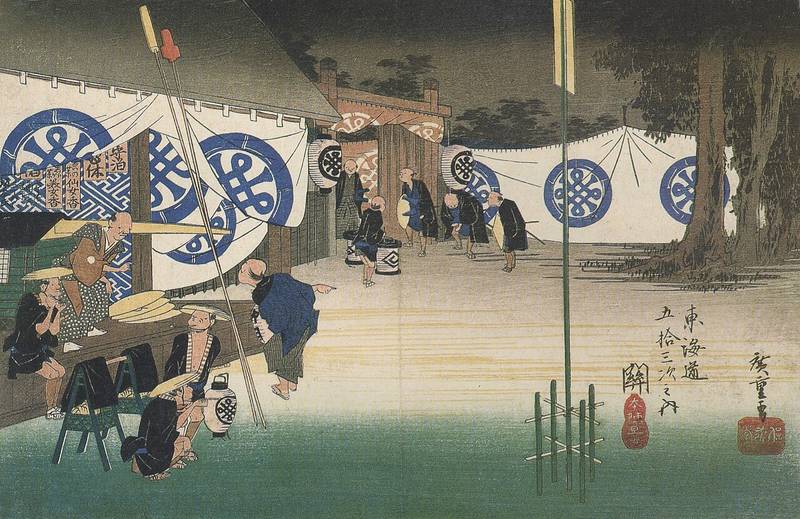
Seki-juku in Kameyama City, Mie Prefecture. The townscape retains the vestiges of a post town, and is counted as one of the Important Preservation Districts for Groups of Traditional Buildings (Jū-den-ken) under the Law for the Protection of Cultural Properties.
Sakamoto in Otsu City, Shiga Prefecture. It is a townscape that retains the appearance of its days as a prosperous village of temples and a temple town, and is a nationally selected Important Preservation District for Groups of Traditional Buildings (Judenken).
Kawaracho Seri Town in Hikone City, Shiga Prefecture. It is a town with a continuing row of houses with the atmosphere of a merchant town, and is one of the Important Preservation Districts for Groups of Traditional Buildings (Judenken) based on the Law for the Protection of Cultural Properties.
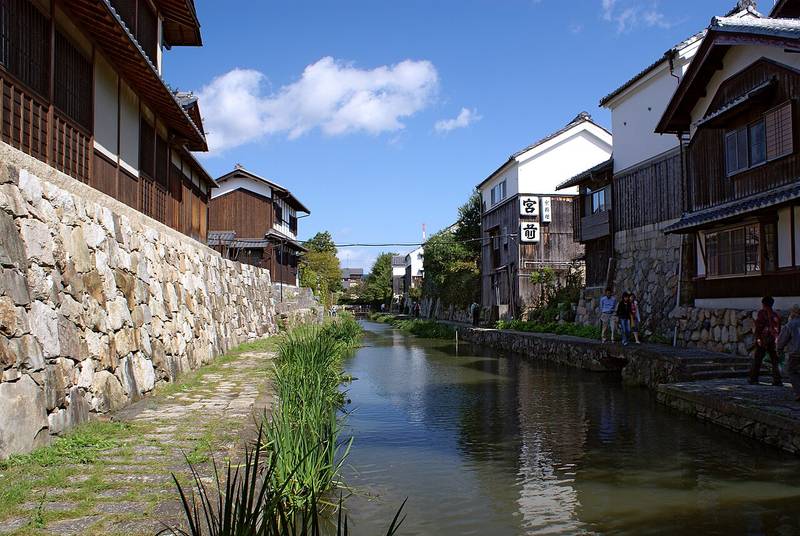
Hachiman in Ōmihachiman City, Shiga Prefecture. Known as a merchant town, its historic townscape is one of the Important Preservation Districts for Groups of Traditional Buildings (Jū-den-ken) selected by the country based on the Law for the Protection of Cultural Properties.
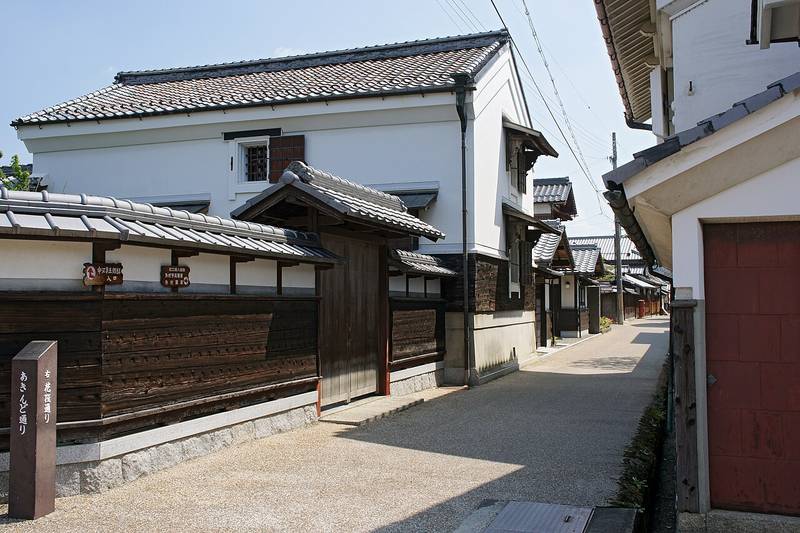
Gokasho Kondo in Higashiomi City, Shiga Prefecture. The townscape, which conveys the appearance of a rural village, has been recognized and selected as an Important Preservation District for Groups of Traditional Buildings (Judenken) by the country.
Kamigamo in Kita Ward, Kyoto City, Kyoto Prefecture. It is a townscape that retains the appearance of a shakacho (residential area for Shinto priests), and is counted as one of the Important Preservation Districts for Groups of Traditional Buildings (Judenken) based on the Law for the Protection of Cultural Properties.
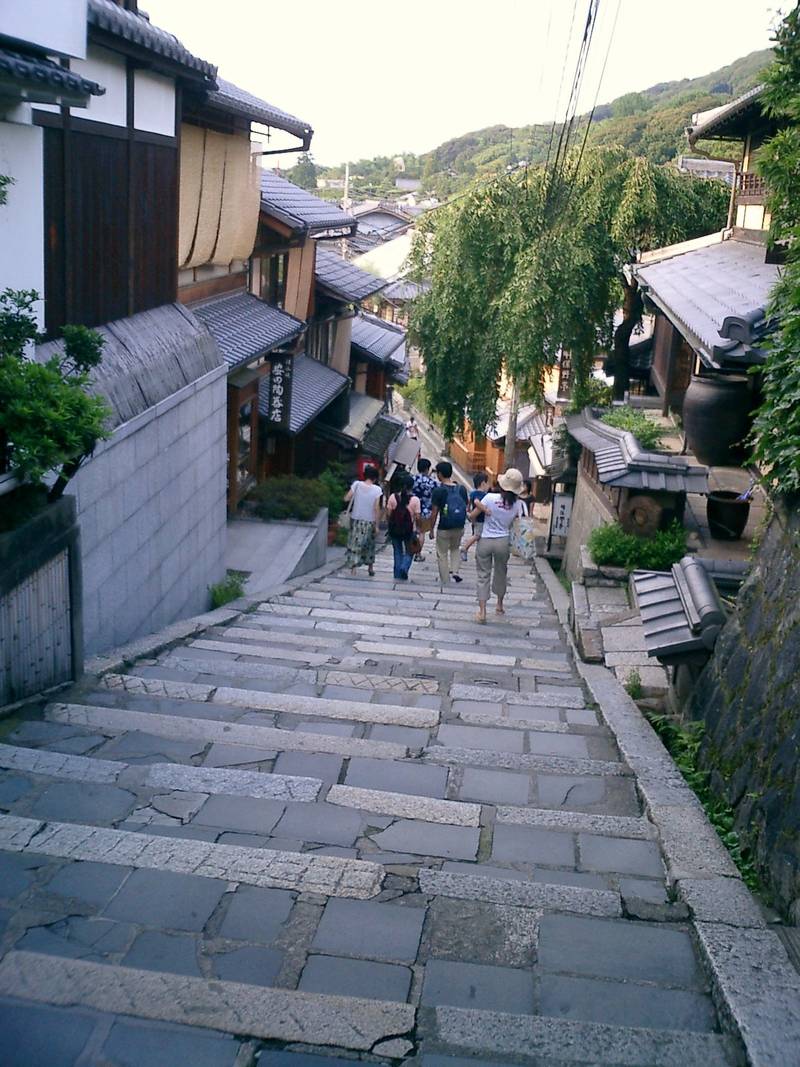
Sannenzaka in Higashiyama Ward, Kyoto City, Kyoto Prefecture. The townscape retains the vestiges of its prosperous days as a temple-gate town, and is an Important Preservation District for Groups of Traditional Buildings (Jū-den-ken) selected by the country.
Japan, 605-0087 Kyoto Prefecture, Kyoto City, Higashiyama Ward, Shinbashi Dori, Oyamatoji Higashi Iru, Motokiyoshi-cho 61, Gion Shinbashi
Gion Shinbashi in Higashiyama Ward, Kyoto City, Kyoto Prefecture. It is a town with a charming row of houses in a teahouse district, and is one of the Important Preservation Districts for Groups of Traditional Buildings (Judenken) based on the Law for the Protection of Cultural Properties.
Sagatoriimoto in Ukyo Ward, Kyoto City, Kyoto Prefecture. It is a historic townscape known as a temple-gate town, and is one of the Important Preservation Districts for Groups of Traditional Buildings (Judenken) designated by the country based on the Law for the Protection of Cultural Properties.
Kita in Miyama-cho, Nantan City, Kyoto Prefecture. The townscape, which conveys the image of a mountain village settlement to this day, has been recognized and selected as one of the Important Preservation Districts for Groups of Traditional Buildings (Jū-den-ken) designated by the country.
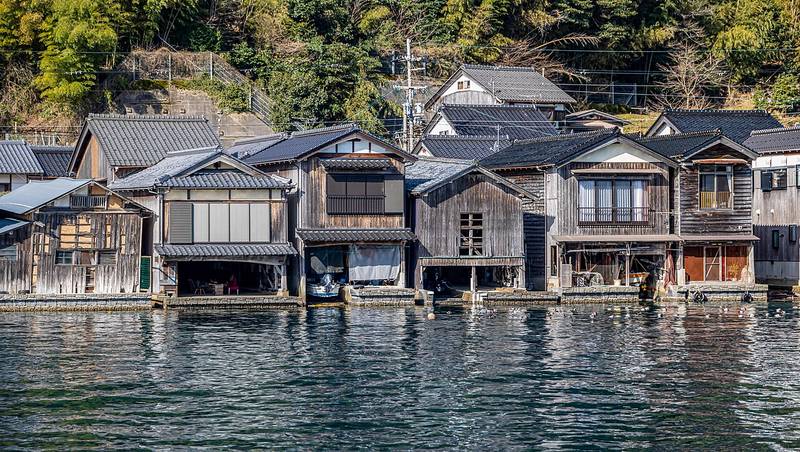
Ineura, remaining in Ine Town, Kyoto Prefecture. It is a townscape that retains the appearance of a fishing village, and is counted as one of the Important Preservation Districts for Groups of Traditional Buildings (Judenken) based on the Law for the Protection of Cultural Properties.
Kaya in Yosano Town, Kyoto Prefecture. It is a townscape that retains the appearance of its days as a prosperous weaving town, and is a nationally designated Important Preservation District for Groups of Traditional Buildings (Judenken).
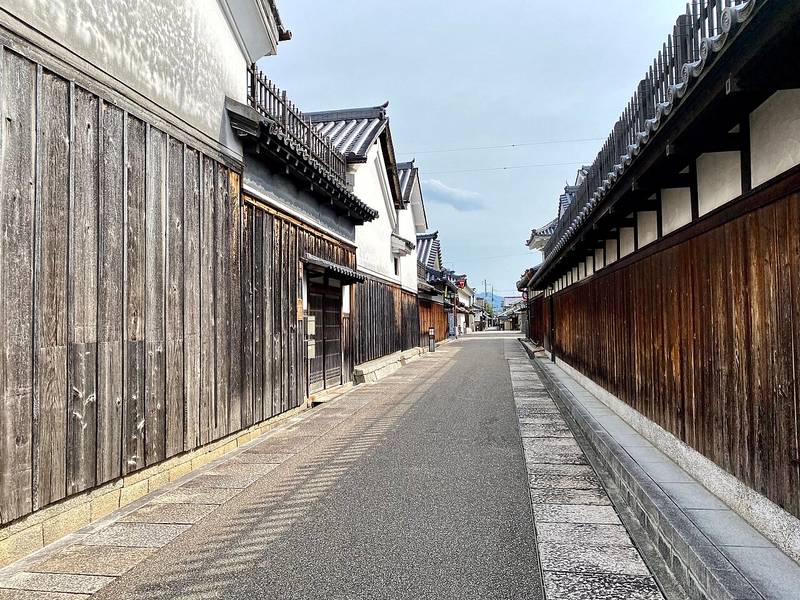
Tondabayashi in Tondabayashi City, Osaka Prefecture. A town with a charming row of houses in the style of a jinaimachi (temple town) and zaigōmachi (rural town), it is one of the Important Preservation Districts for Groups of Traditional Buildings (Jū-den-ken) under the Law for the Protection of Cultural Properties.
Kitano-cho Yamamoto-dori in Chuo Ward, Kobe City, Hyogo Prefecture. It is a historic townscape known as a port town, and is one of the Important Preservation Districts for Groups of Traditional Buildings (Judenken) selected by the country based on the Law for the Protection of Cultural Properties.

Izushi in Toyooka City, Hyogo Prefecture. Its townscape, which conveys the appearance of a castle town to this day, has been recognized and selected as one of the Important Preservation Districts for Groups of Traditional Buildings (Judenken) designated by the country.
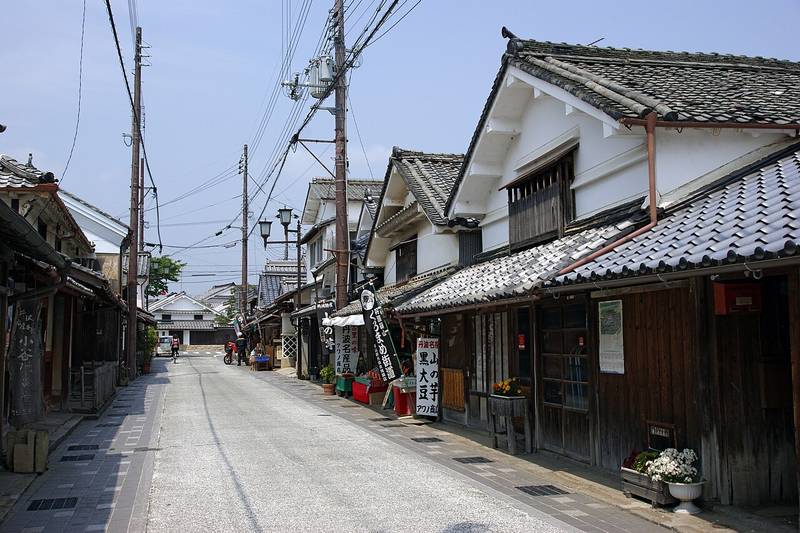
Sasayama in Tanba Sasayama City, Hyogo Prefecture. The townscape retains the vestiges of a castle town, and is counted as one of the Important Preservation Districts for Groups of Traditional Buildings (Jū-den-ken) under the Law for the Protection of Cultural Properties.
Fukusumi in Tanbasasayama City, Hyogo Prefecture. It is a townscape that retains the appearance of its days as a prosperous post town and rural village, and is a nationally selected Important Preservation District for Groups of Traditional Buildings (Judenken).
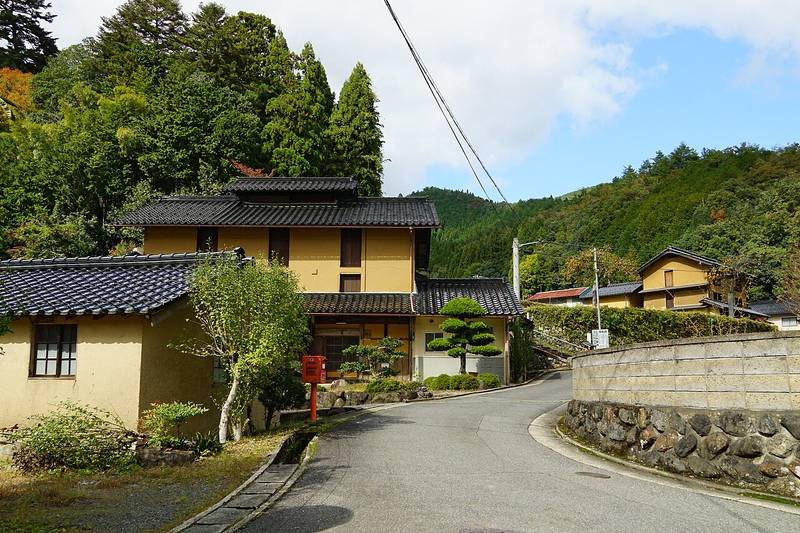
Oya Town Osugi in Yabu City, Hyogo Prefecture. It is a town with a continuing row of houses with the atmosphere of a mountain village and sericulture settlement, and is one of the Important Preservation Districts for Groups of Traditional Buildings (Judenken) based on the Law for the Protection of Cultural Properties.
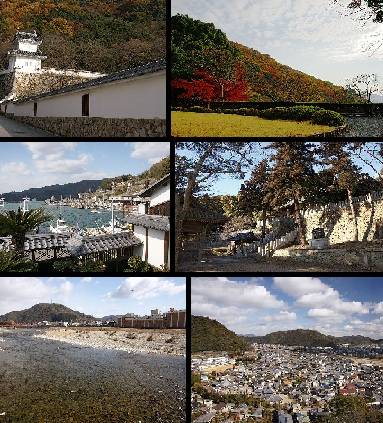
Tatsuno in Tatsuno City, Hyogo Prefecture. Known as a merchant town and brewing town, its historic townscape is one of the Important Preservation Districts for Groups of Traditional Buildings (Jū-den-ken) selected by the country based on the Law for the Protection of Cultural Properties.
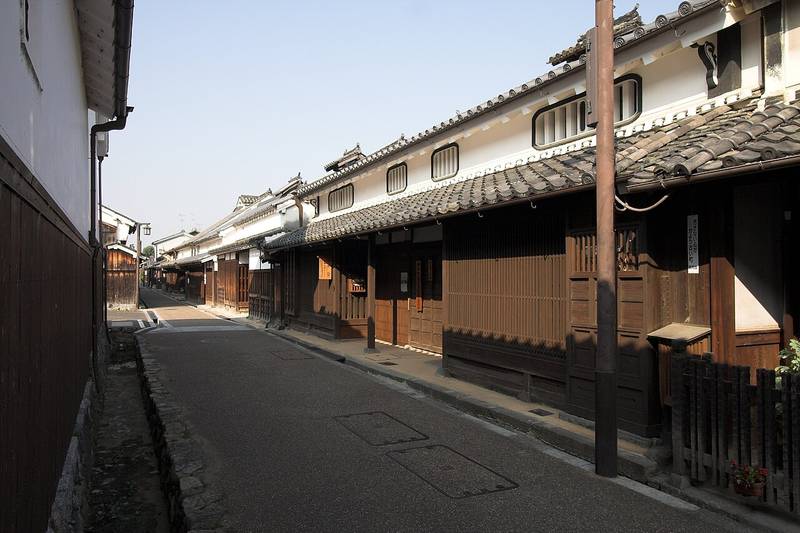
Imai-cho in Kashihara City, Nara Prefecture. The townscape, which conveys the appearance of a temple town and local town, has been recognized and selected as an Important Preservation District for Groups of Traditional Buildings (Judenken) by the country.
Gojo Shinmachi in Gojo City, Nara Prefecture. It is a townscape that retains the appearance of a merchant town, and is counted as one of the Important Preservation Districts for Groups of Traditional Buildings (Judenken) based on the Law for the Protection of Cultural Properties.
Yuasa in Yuasa Town, Wakayama Prefecture. It is a town with a charming row of houses in a brewing town, and is one of the Important Preservation Districts for Groups of Traditional Buildings (Judenken) based on the Law for the Protection of Cultural Properties.
Chugoku
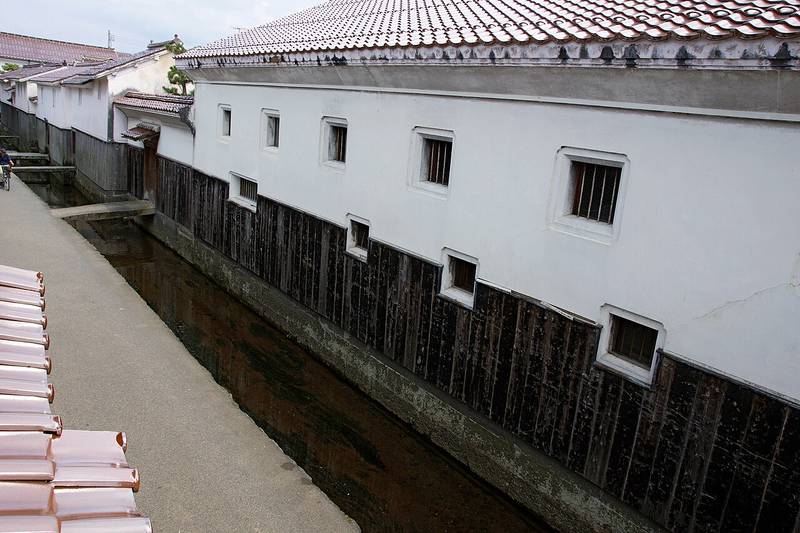
Utsubuki Tamagawa in Kurayoshi City, Tottori Prefecture. It is a historic townscape known as a merchant town, and is one of the Important Preservation Districts for Groups of Traditional Buildings (Judenken) designated by the country based on the Law for the Protection of Cultural Properties.
Wakasa in Wakasa Town, Tottori Prefecture. The townscape, which conveys the image of a merchant town to this day, has been recognized and selected as one of the Important Preservation Districts for Groups of Traditional Buildings (Jū-den-ken) designated by the country.
Tokonoko, remaining in Daisen Town, Tottori Prefecture. It is a townscape that retains the appearance of a rural village and is counted as one of the Important Preservation Districts for Groups of Traditional Buildings (Jū-den-ken) based on the Law for the Protection of Cultural Properties.
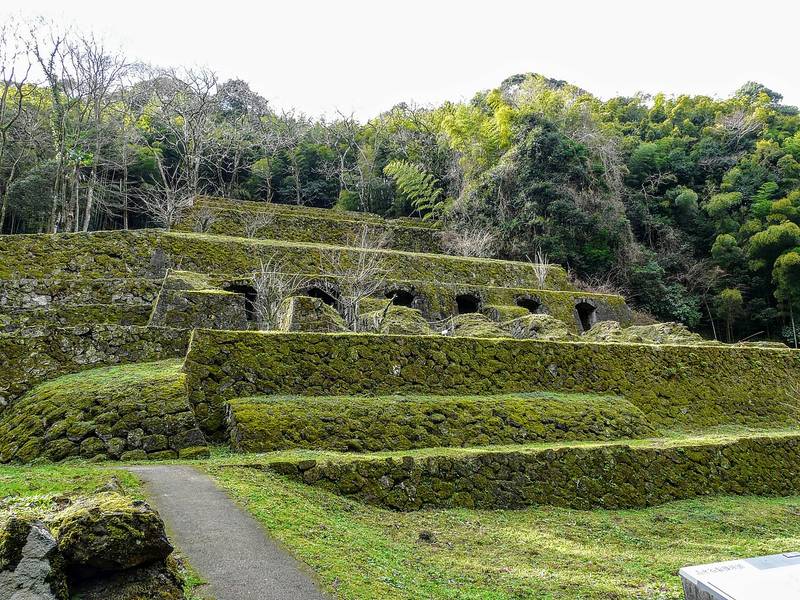
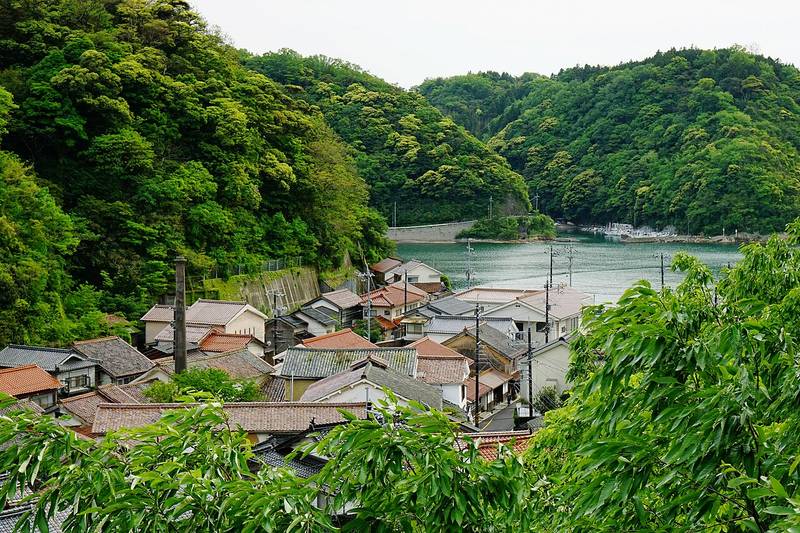
Yunotsu in Ōda City, Shimane Prefecture. A town with a charming row of houses in the style of a port town and hot spring town, it is one of the Important Preservation Districts for Groups of Traditional Buildings (Jū-den-ken) under the Law for the Protection of Cultural Properties.
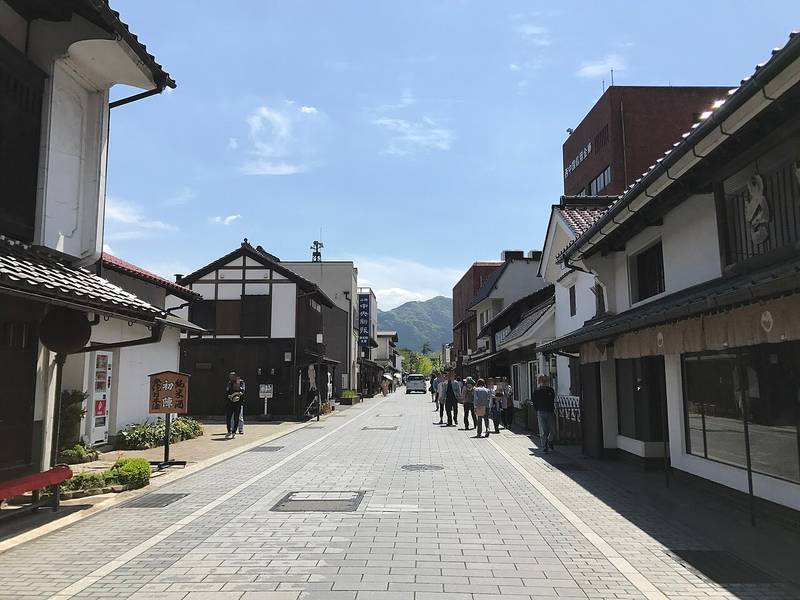
Tsuwano in Tsuwano Town, Shimane Prefecture. It is a historic townscape known as a samurai district and merchant town, and is one of the Important Preservation Districts for Groups of Traditional Buildings (Jū-den-ken) selected by the country based on the Law for the Protection of Cultural Properties.
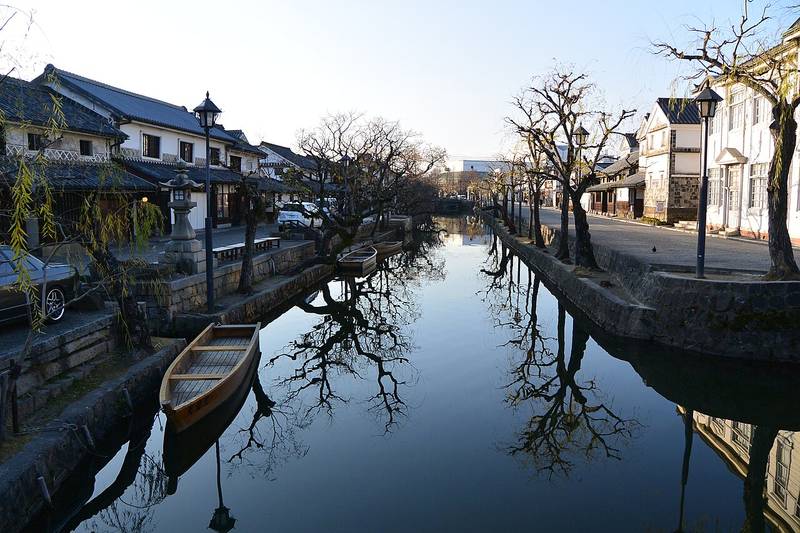
Along the Kurashiki River in Kurashiki City, Okayama Prefecture. It is a merchant townscape cherished as a Bikan historical quarter, and is one of the Important Preservation Districts for Groups of Traditional Buildings (Judenken) based on the Law for the Protection of Cultural Properties.
Jōtō in Tsuyama City, Okayama Prefecture. The townscape retains the vestiges of a merchant town, and is counted as one of the Important Preservation Districts for Groups of Traditional Buildings (Jū-den-ken) under the Law for the Protection of Cultural Properties.
Jōsei in Tsuyama City, Okayama Prefecture. It is a townscape that retains the appearance of its past prosperity as a temple town and merchant town, and is an Important Preservation District for Groups of Traditional Buildings (Jū-den-ken) selected by the country.
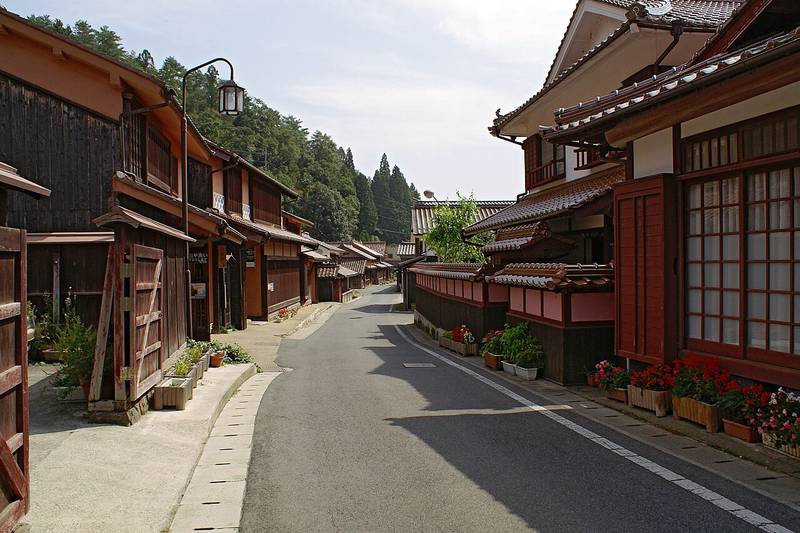
Fukiya in Takahashi City, Okayama Prefecture. It is a town with a continuing row of houses with the atmosphere of a mining town, and is one of the Important Preservation Districts for Groups of Traditional Buildings (Judenken) based on the Law for the Protection of Cultural Properties.
Yakage-juku in Yakage Town, Okayama Prefecture. Known as a post town, its historic townscape is one of the Important Preservation Districts for Groups of Traditional Buildings (Jū-den-ken) selected by the country based on the Law for the Protection of Cultural Properties.
Toyo Town Mitarai in Kure City, Hiroshima Prefecture. Its townscape, which conveys the image of a port town to this day, has been recognized and selected as an Important Preservation District for Groups of Traditional Buildings (Jū-den-ken) by the country.
Takehara District in Takehara City, Hiroshima Prefecture. It is a townscape that retains the appearance of a salt-producing town, and is counted as one of the Important Preservation Districts for Groups of Traditional Buildings (Judenken) based on the Law for the Protection of Cultural Properties.
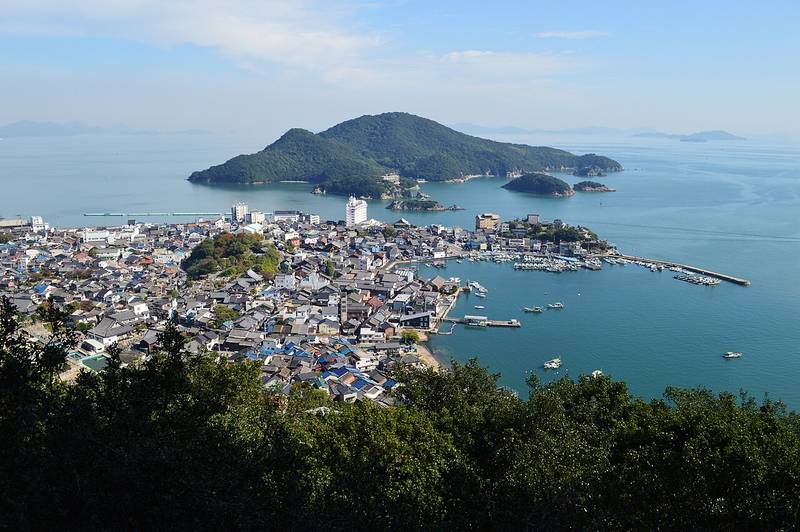
Tomo-cho in Fukuyama City, Hiroshima Prefecture. The townscape retains the vestiges of its prosperous days as a port town, and is an Important Preservation District for Groups of Traditional Buildings (Jū-den-ken) selected by the country.
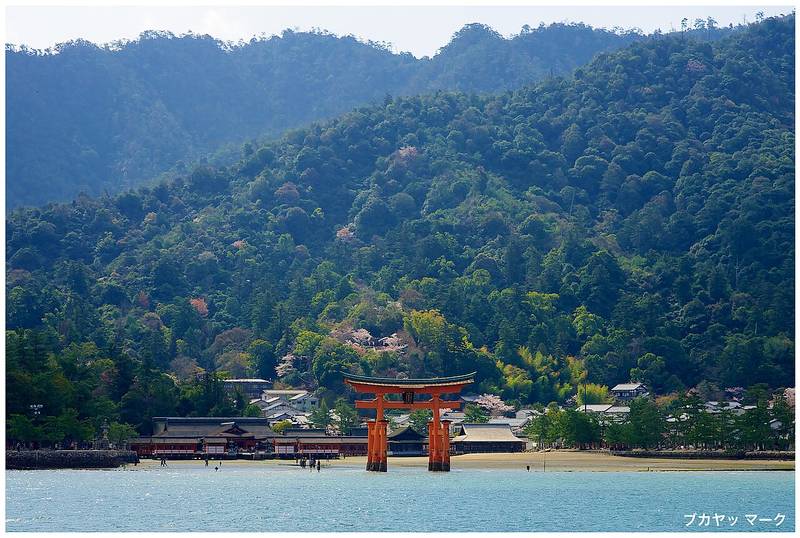
Miyajima Town in Hatsukaichi City, Hiroshima Prefecture. It is a town with a charming row of houses in a temple town, and is one of the Important Preservation Districts for Groups of Traditional Buildings (Jū-den-ken) based on the Law for the Protection of Cultural Properties.
Horinouchi District in Hagi City, Yamaguchi Prefecture. It is a historic townscape known as a samurai district, and is one of the Important Preservation Districts for Groups of Traditional Buildings (Judenken) designated by the country based on the Law for the Protection of Cultural Properties.
Heianko District in Hagi City, Yamaguchi Prefecture. Its townscape, which conveys the appearance of a samurai town to this day, has been recognized and selected as one of the Important Preservation Districts for Groups of Traditional Buildings (Judenken) designated by the country.
Hamada in Hagi City, Yamaguchi Prefecture. This townscape retains the atmosphere of a port town and is counted as one of the Important Preservation Districts for Groups of Traditional Buildings (Jū-Den-Ken) based on the Law for the Protection of Cultural Properties.
Furuichi Kanaya in Yanai City, Yamaguchi Prefecture. It is a town with a continuing row of houses with the atmosphere of a merchant town, and is one of the Important Preservation Districts for Groups of Traditional Buildings (Judenken) based on the Law for the Protection of Cultural Properties.
Shikoku
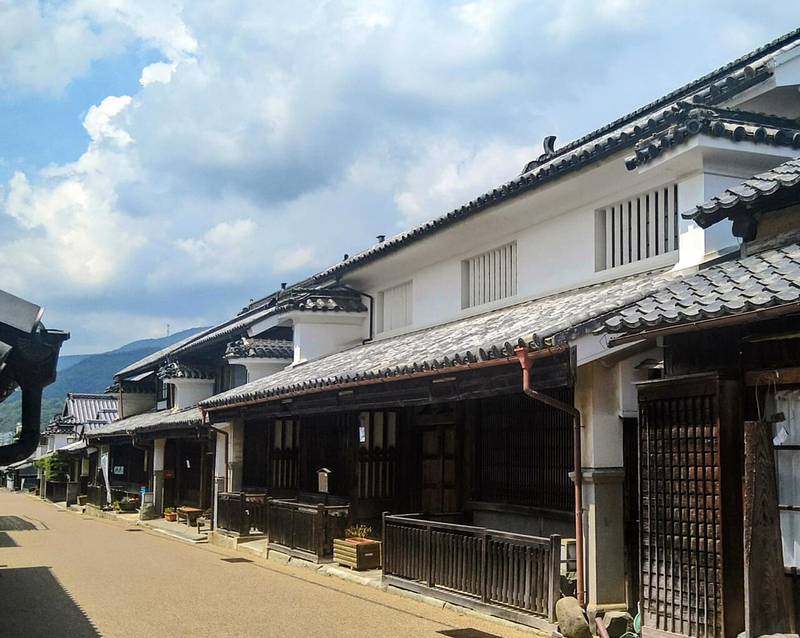
Wakimachi Minami Town in Mima City, Tokushima Prefecture. This is a historic townscape known as a merchant town, and it is one of the Important Preservation Districts for Groups of Traditional Buildings (Jū-Den-Ken) designated by the nation based on the Law for the Protection of Cultural Properties.
Ochiai in Higashi Iya, Miyoshi City, Tokushima Prefecture. Its townscape, which conveys the appearance of a mountain village settlement to this day, has been recognized and selected as a nationally designated Important Preservation District for Groups of Traditional Buildings (Jū-Den-Ken).
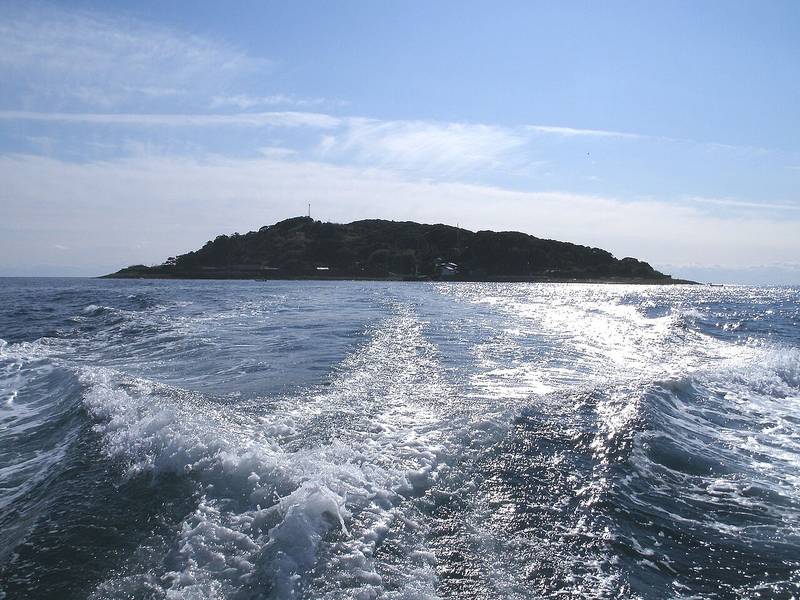
Dewajima in Mugi Town, Tokushima Prefecture. It is a townscape that retains the appearance of a fishing village settlement, and is counted as one of the Important Preservation Districts for Groups of Traditional Buildings (Judenken) based on the Law for the Protection of Cultural Properties.
Kasa-jima, Shiwaku Honjima Town in Marugame City, Kagawa Prefecture. This townscape retains the atmosphere of its days as a prosperous port town and is a nationally designated Important Preservation District for Groups of Traditional Buildings (Jū-Den-Ken).

Tsushima Town Iwamatsu in Uwajima City, Ehime Prefecture. This is a town with a charming atmosphere of a rural market town, and it is one of the Important Preservation Districts for Groups of Traditional Buildings (Jū-Den-Ken) based on the Law for the Protection of Cultural Properties.
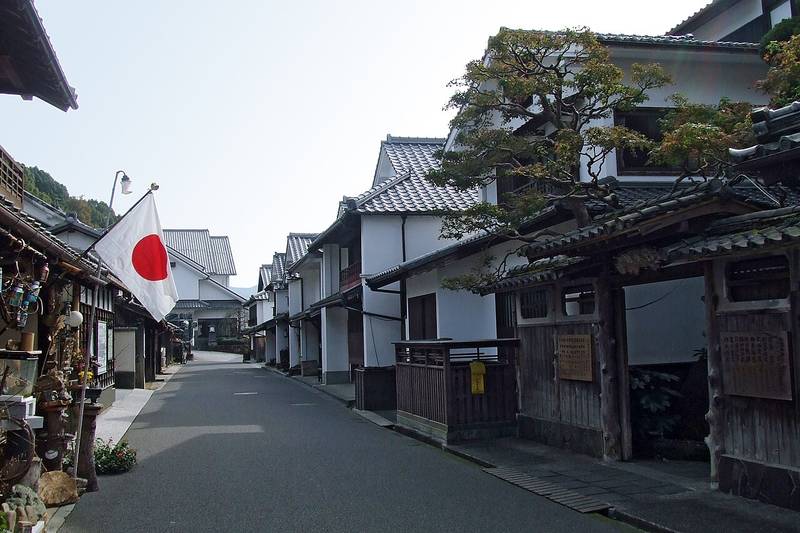
Uwajima Town Unomachi in Seiyo City, Ehime Prefecture. It is a historic townscape known as a rural market town, and is one of the Important Preservation Districts for Groups of Traditional Buildings (Judenken) designated by the country based on the Law for the Protection of Cultural Properties.

Yokaichi Gokoku in Uchiko Town, Ehime Prefecture. Its townscape, which conveys the appearance of a wax-producing town to this day, has been recognized and selected as a nationally designated Important Preservation District for Groups of Traditional Buildings (Jū-Den-Ken).
Kiragawa Town in Muroto City, Kochi Prefecture. This townscape retains the atmosphere of a rural market town and is counted as one of the Important Preservation Districts for Groups of Traditional Buildings (Jū-Den-Ken) based on the Law for the Protection of Cultural Properties.
Kyushu/Okinawa
Yame Fukushima in Yame City, Fukuoka Prefecture. This is a town with a charming atmosphere of a merchant town, and it is one of the Important Preservation Districts for Groups of Traditional Buildings (Jū-Den-Ken) based on the Law for the Protection of Cultural Properties.
Kuroki in Yame City, Fukuoka Prefecture. This is a historic townscape known as a rural market town, and it is one of the Important Preservation Districts for Groups of Traditional Buildings (Jū-Den-Ken) designated by the nation based on the Law for the Protection of Cultural Properties.
Chikugo Yoshii in Ukiha City, Fukuoka Prefecture. Its townscape, which conveys the appearance of a rural market town to this day, has been recognized and selected as a nationally designated Important Preservation District for Groups of Traditional Buildings (Jū-Den-Ken).

Shinkawa Tagō in Ukiha City, Fukuoka Prefecture. This townscape retains the atmosphere of a mountain village settlement and is counted as one of the Important Preservation Districts for Groups of Traditional Buildings (Jū-Den-Ken) based on the Law for the Protection of Cultural Properties.
Hama-Shōzō-chō Hama-Kanaya-chō in Kashima City, Saga Prefecture. This is a town with a charming atmosphere of a port town and rural market town, and it is one of the Important Preservation Districts for Groups of Traditional Buildings (Jū-Den-Ken) based on the Law for the Protection of Cultural Properties.
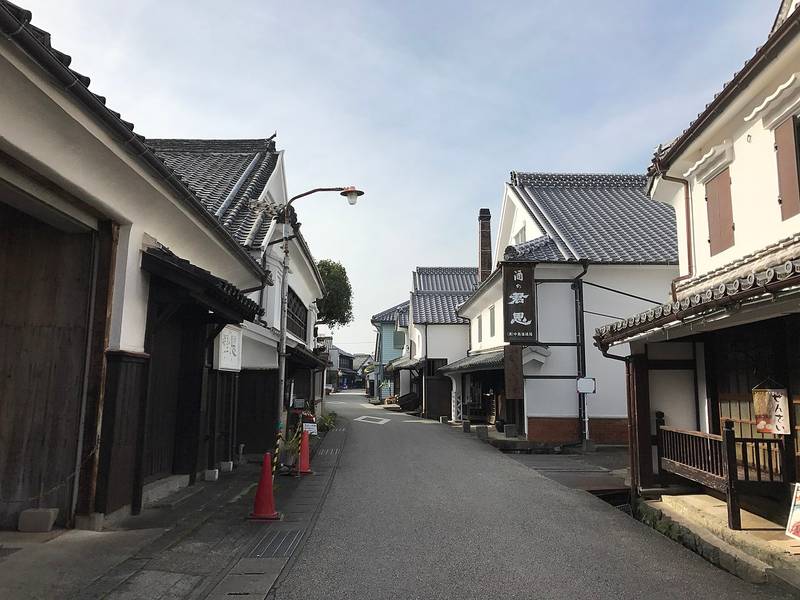
Hama-Naka-chō Hachihongi-juku in Kashima City, Saga Prefecture. This is a historic townscape known as a brewing town, and it is one of the Important Preservation Districts for Groups of Traditional Buildings (Jū-Den-Ken) designated by the nation based on the Law for the Protection of Cultural Properties.
Shiotatsu in Ureshino City, Saga Prefecture. The townscape, which conveys the appearance of a merchant town to this day, has been recognized and selected as a Preservation District for Groups of Traditional Buildings (Jūdenken) chosen by the country.
Arita Uchiyama, remaining in Arita Town, Saga Prefecture. The townscape, which retains the vestiges of a pottery-making town, is counted as one of the Preservation Districts for Groups of Traditional Buildings (Jūdenken) based on the Law for the Protection of Cultural Properties.
Higashiyamate in Nagasaki City, Nagasaki Prefecture. The townscape, which retains the vestiges of its days as a prosperous port town, is a nationally designated Preservation District for Groups of Traditional Buildings (Jūdenken).
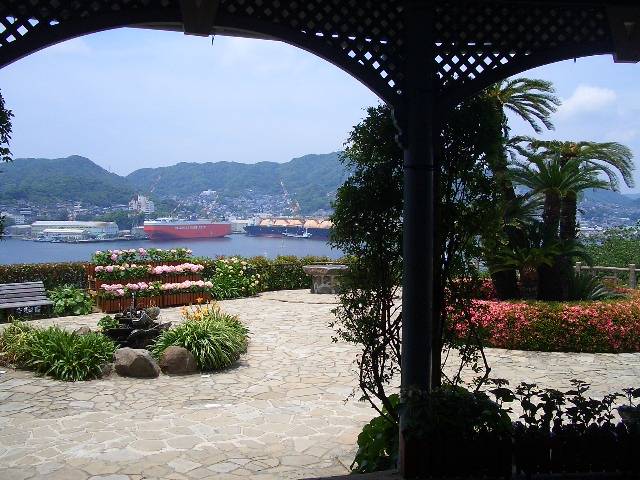
Minamiyamate in Nagasaki City, Nagasaki Prefecture. It is a town where picturesque houses of a port town continue, and it is one of the Preservation Districts for Groups of Traditional Buildings (Jūdenken) based on the Law for the Protection of Cultural Properties.
Ōshima Village Kōno in Hirado City, Nagasaki Prefecture. It is a historic townscape known as a port town, and it is one of the Preservation Districts for Groups of Traditional Buildings (Jūdenken) selected by the country based on the Law for the Protection of Cultural Properties.
Kamishirokōji in Unzen City, Nagasaki Prefecture. The townscape, which conveys the appearance of a samurai district to this day, has been recognized and selected as a Preservation District for Groups of Traditional Buildings (Jūdenken) chosen by the country.
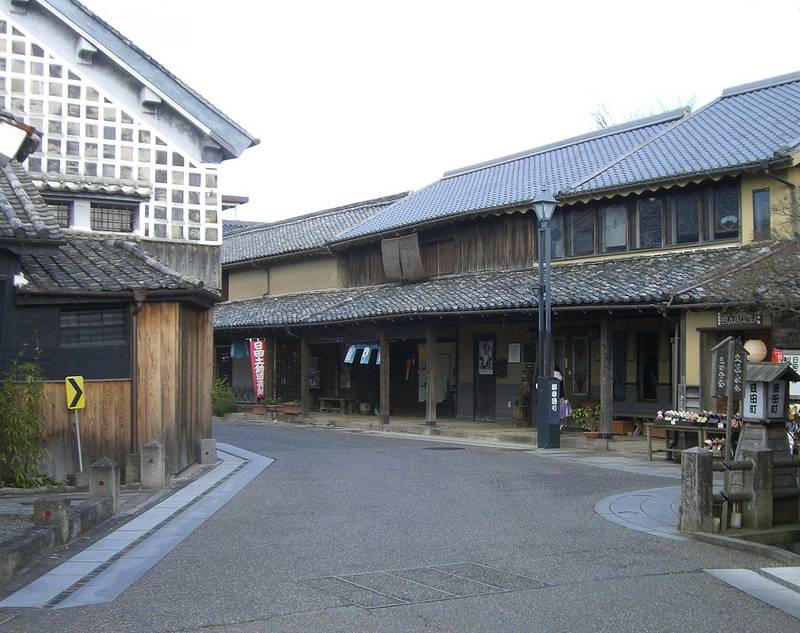
Mameda-machi, remaining in Hita City, Oita Prefecture. The townscape, which retains the vestiges of a merchant town, is counted as one of the Preservation Districts for Groups of Traditional Buildings (Jūdenken) based on the Law for the Protection of Cultural Properties.
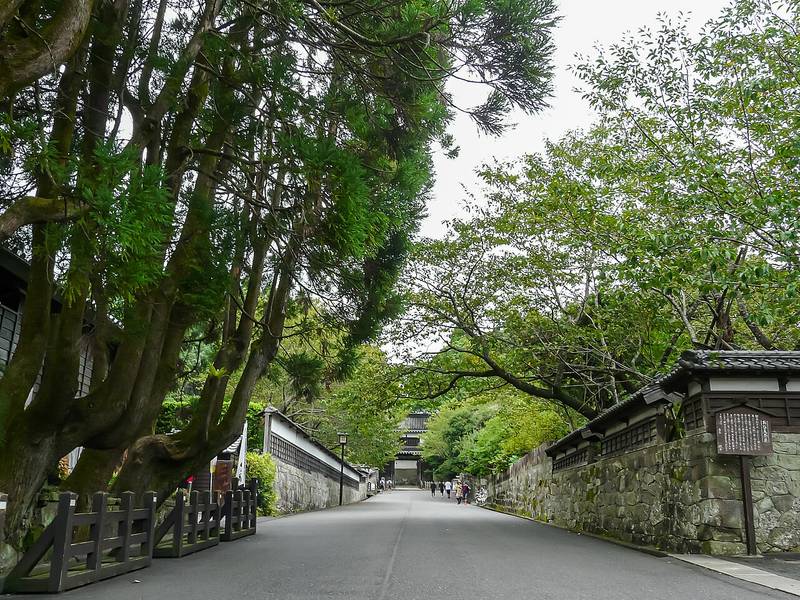
Obi in Nichinan City, Miyazaki Prefecture. It is a town where picturesque houses of a samurai district continue, and it is one of the Preservation Districts for Groups of Traditional Buildings (Jūdenken) based on the Law for the Protection of Cultural Properties.
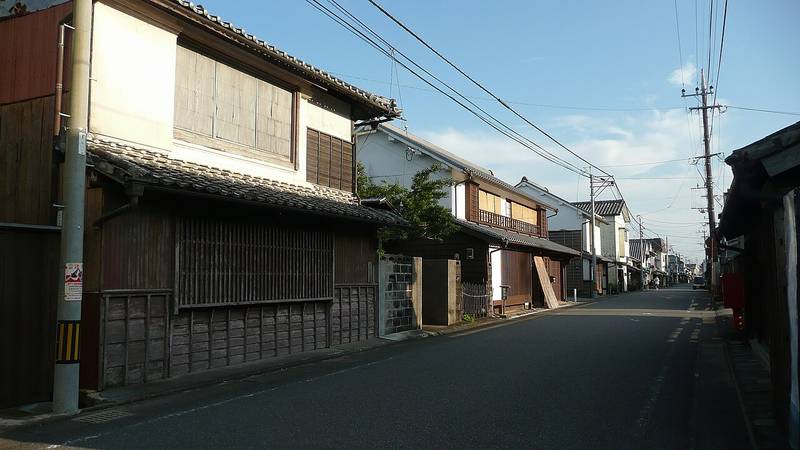
Mimitsu in Hyūga City, Miyazaki Prefecture. It is a historic townscape known as a port town, and it is one of the Preservation Districts for Groups of Traditional Buildings (Jūdenken) selected by the country based on the Law for the Protection of Cultural Properties.
Japan, 〒883-1601 Miyazaki Prefecture, Higashiusuki District, Shiiba Village, Shimofukura, Jukkengawa
Jukkengawa in Shiiba Village, Miyazaki Prefecture. The townscape, which conveys the appearance of a mountain village settlement to this day, has been recognized and selected as a Preservation District for Groups of Traditional Buildings (Jūdenken) chosen by the country.
Izumi Fumoto, remaining in Izumi City, Kagoshima Prefecture. The townscape, which retains the vestiges of a samurai district, is counted as one of the Preservation Districts for Groups of Traditional Buildings (Jūdenken) based on the Law for the Protection of Cultural Properties.
Iriki Fumoto in Satsumasendai City, Kagoshima Prefecture. The townscape, which retains the vestiges of its days as a prosperous samurai district, is a nationally designated Preservation District for Groups of Traditional Buildings (Jūdenken).
Kaseda Fumoto in Minamisatsuma City, Kagoshima Prefecture. It is a town where picturesque houses of a samurai district continue, and it is one of the Preservation Districts for Groups of Traditional Buildings (Jūdenken) based on the Law for the Protection of Cultural Properties.
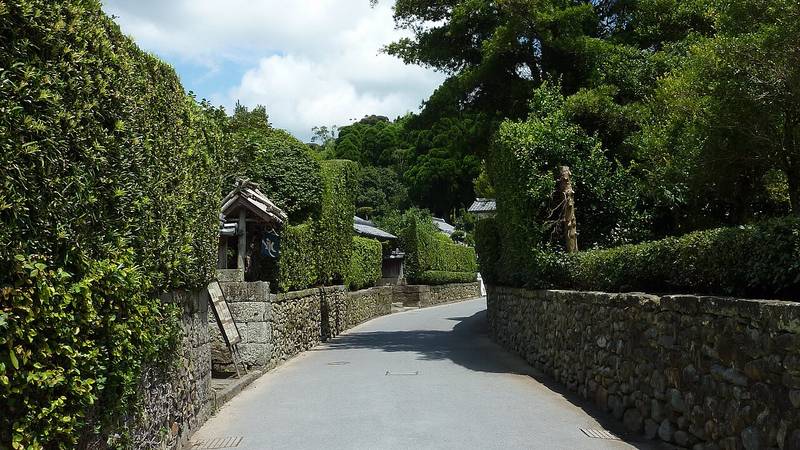
Chiran in Minamikyūshū City, Kagoshima Prefecture. It is a historic townscape known as a samurai district, and it is one of the Preservation Districts for Groups of Traditional Buildings (Jūdenken) selected by the country based on the Law for the Protection of Cultural Properties.
Tonaki Island in Tonaki Village, Okinawa Prefecture. The townscape, which conveys the appearance of an island rural village settlement to this day, has been recognized and selected as a Preservation District for Groups of Traditional Buildings (Jūdenken) chosen by the country.
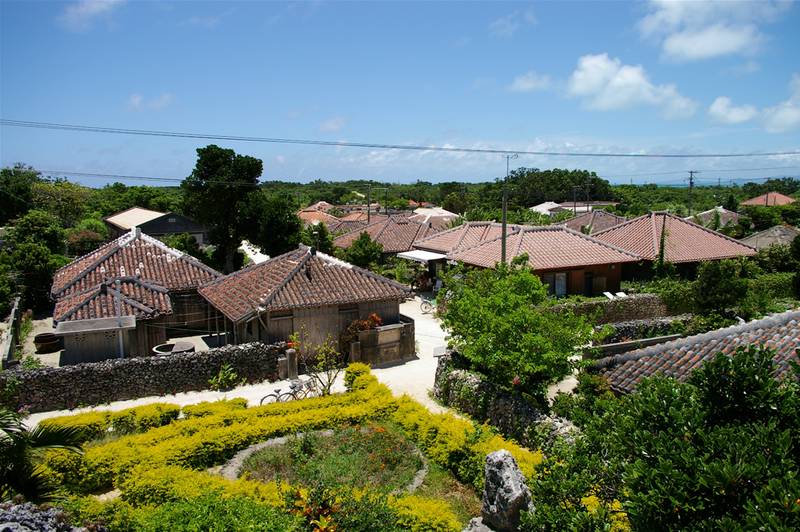
Taketomi Island, remaining in Taketomi Town, Okinawa Prefecture. The townscape, which retains the vestiges of an island rural village settlement, is counted as one of the Preservation Districts for Groups of Traditional Buildings (Jūdenken) based on the Law for the Protection of Cultural Properties.
Related lists

Touring Japan's World Heritage Sites
Himeji Castle, Yakushima, Itsukushima Shrine... Conquered all 26 World Heritage Sites in Japan. Treasures Japan is proud of, to be visited over a lifetime.
26SO
Check off the places you visitand keep photos and notes.
Edit it however you like.
Sign up freeStart with your Google accountGet started right away, free