Tour of Japan's Famous Hot Springs
Keep a record of this trip
Sign up freeTour of Japan's Famous Hot Springs

A list of 32 famous hot springs across the country, from Noboribetsu in Hokkaido to Beppu and Yufuin in Kyushu, including Kusatsu, Arima, and Gero, named as the three famous springs by Hayashi Razan, and Doho, Arima, and Shirahama (Muro-no-yu), the three ancient springs. You can get an overview of unique hot spring areas such as Jigokudani, Sand Bath Hot Springs, and Soto-yu Meguri on a map, and check and record the hot springs you have visited. Please note that spring quality, availability of day trips, fees, and business hours may change, so please check the official websites of each hot spring area and facility for the latest information.
① Hokkaido
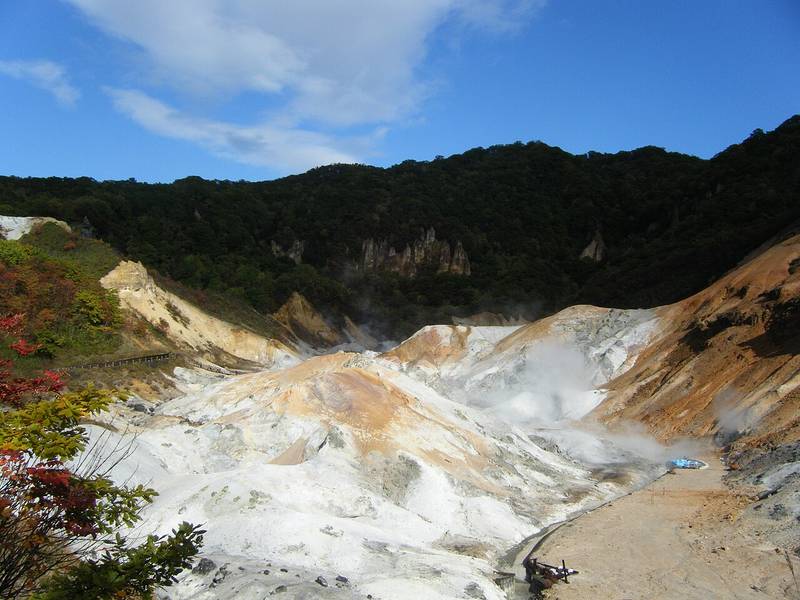
A representative hot spring area of Hokkaido. Various hot springs gush from the "Jigokudani" volcanic crater remains, and it is known for its rich spring qualities, including sulfur springs. Highlights include the walking paths in Jigokudani with its rising steam and Oyunuma. Please check the official website for the latest information on day trip availability, fees, and business hours of each facility, as they may change. Access from JR Noboribetsu Station by bus.
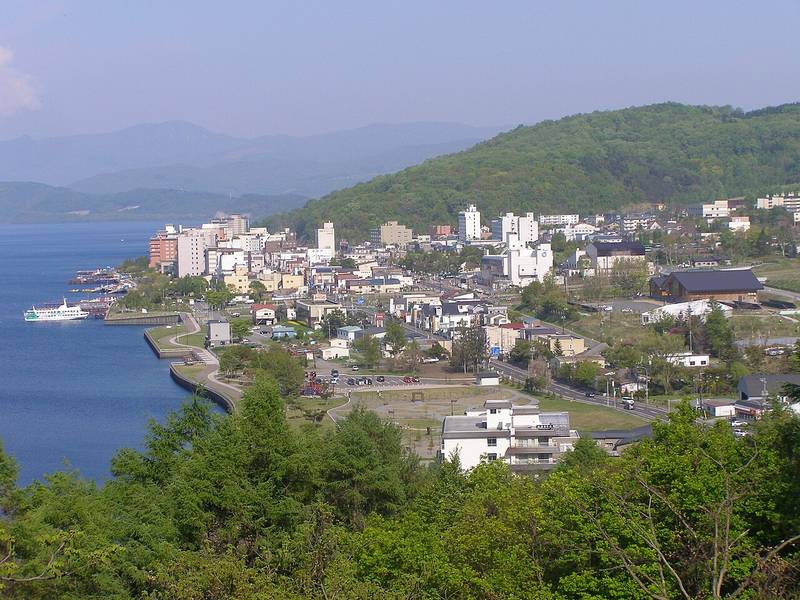
A lakeside hot spring resort spread along the southern shore of Lake Toya in Shikotsu-Toya National Park. It overlooks Mt. Usu and Showa-Shinzan, and was also known as the venue for the 2008 G8 Summit (Toyako Summit). Please check the official website for the dates of seasonal events such as fireworks over the lake, as they may change. Many inns offer views of the lake, and the Lake Toya Onsen Bus Terminal is the hub.
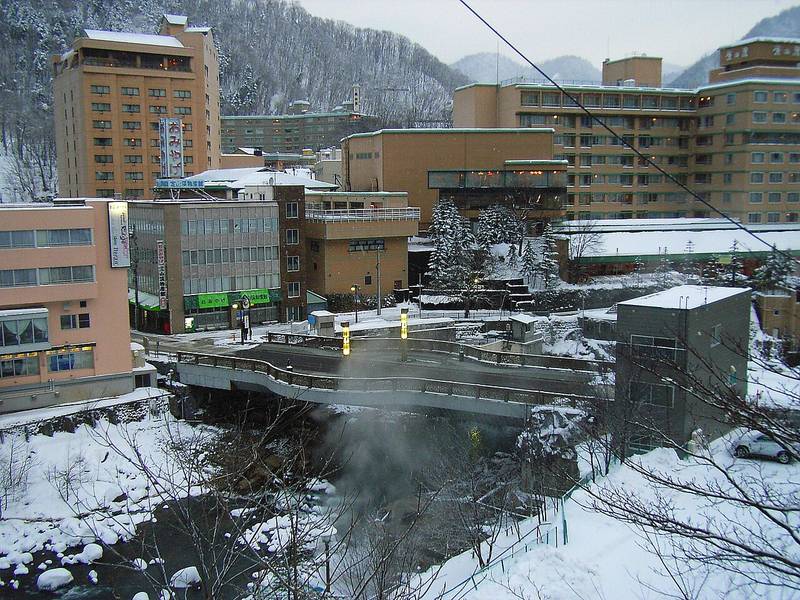
A hot spring resort along the Toyohira River valley, known as the "inner parlor of Sapporo." It is close to the city center and can be enjoyed as a day trip, and is popular as a famous spot for autumn foliage. Foot baths and hand baths are scattered throughout, and a walking path along the valley is also maintained. Please check the official website for the latest information on day trip availability, fees, and business hours, as they may change. Access from central Sapporo by bus.
② Tohoku
A collective name for seven hot springs scattered at the foot of Mt. Nyuto in Towada-Hachimantai National Park, known as a byword for hidden hot springs. The spring qualities differ at each of the seven springs, such as the thatched-roof "Tsurunoyu," and some inns are famous for their milky white hot springs. It is a National Health Resort. Please check the official website for the latest information on reception hours and fees for day trips, as they may change. Access by bus from Tazawako Station.
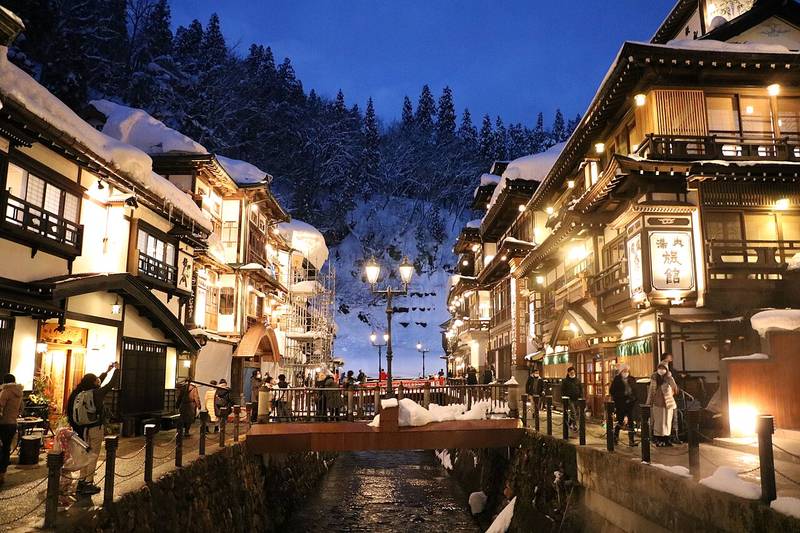
A hot spring town that retains the atmosphere of the Taisho era with its multi-story wooden inns lining both sides of the Ginzan River, built from the Taisho to early Showa periods. It is known for its scenery with gas lamps lit at dusk and is a famous photo spot. Vehicle access is restricted to preserve the townscape. Day trip availability and fees vary by inn, so please check the official website. Access by bus from Oishida Station.
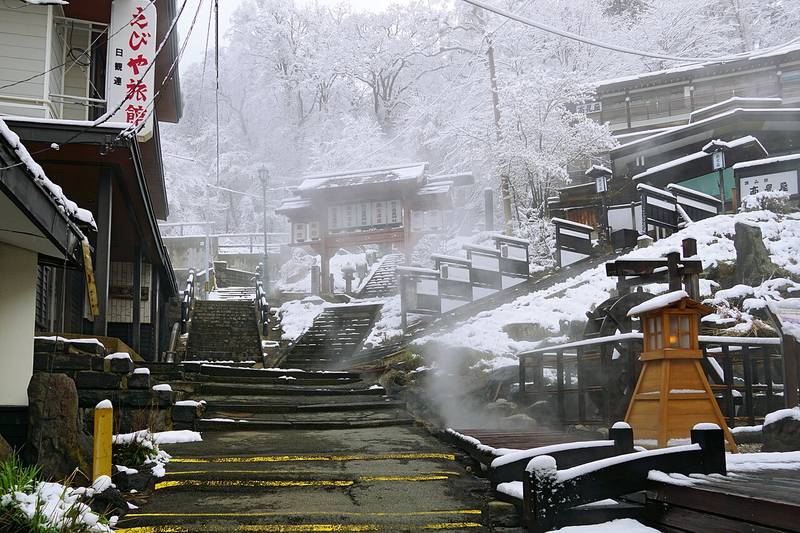
A hot spring resort gushing from the foot of the Zao mountain range, known for its highly acidic sulfur springs and also called the "hot spring for beautiful skin." It is popular in winter for the Zao's rime ice and ski resorts, with large open-air baths and public baths scattered throughout. Please check the official website for the best viewing times for rime ice and operating periods for open-air baths, as they vary depending on weather and season. Access from Yamagata Station by bus to the hot spring town.
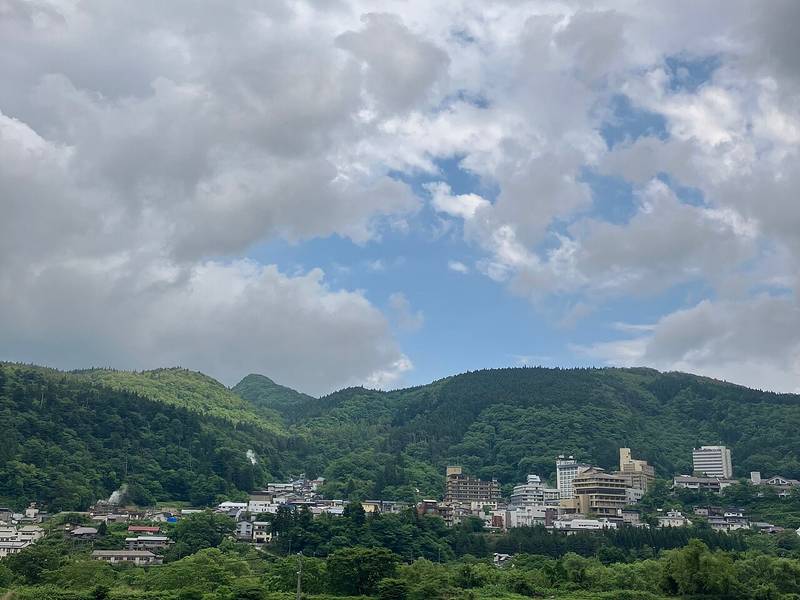
The center of the Naruko Onsenkyo hot spring resort area, known for its wide variety of spring qualities. It is also famous as the birthplace of the traditional craft "Naruko Kokeshi dolls." It is a National Health Resort. Please check the official website for the latest information on business hours and fees for public baths and day trip facilities, as they may change. JR Naruko-Onsen Station is the gateway to the hot spring town.
③ Kanto
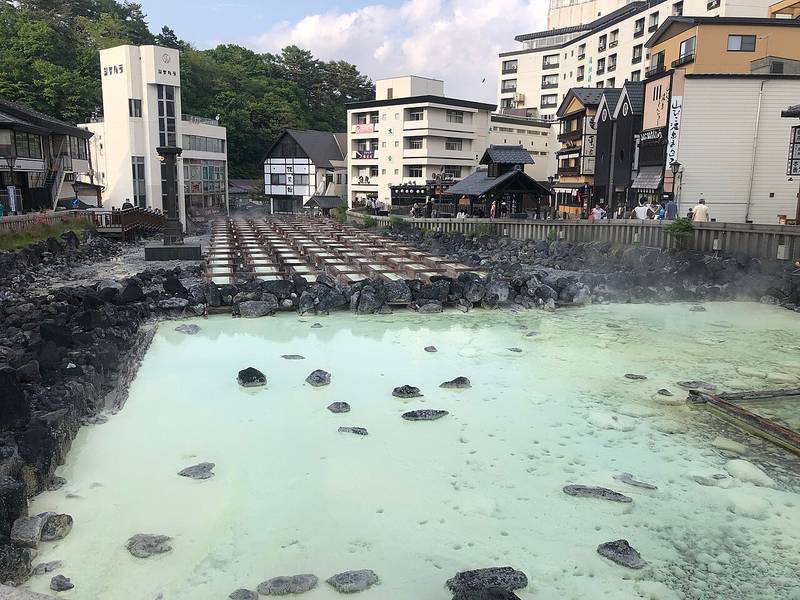
One of the three famous hot springs in Japan, listed alongside Arima and Gero by Hayashi Razan. It is known for its abundant natural hot spring output, with the "Yubatake" in the center of the hot spring town and the traditional "Yumomi" (hot water stirring) being iconic. It is known for its highly acidic sulfur springs. Please check the official website for the latest information on fees and business hours for day trip facilities, as they may change. Walk from the bus terminal to Yubatake.
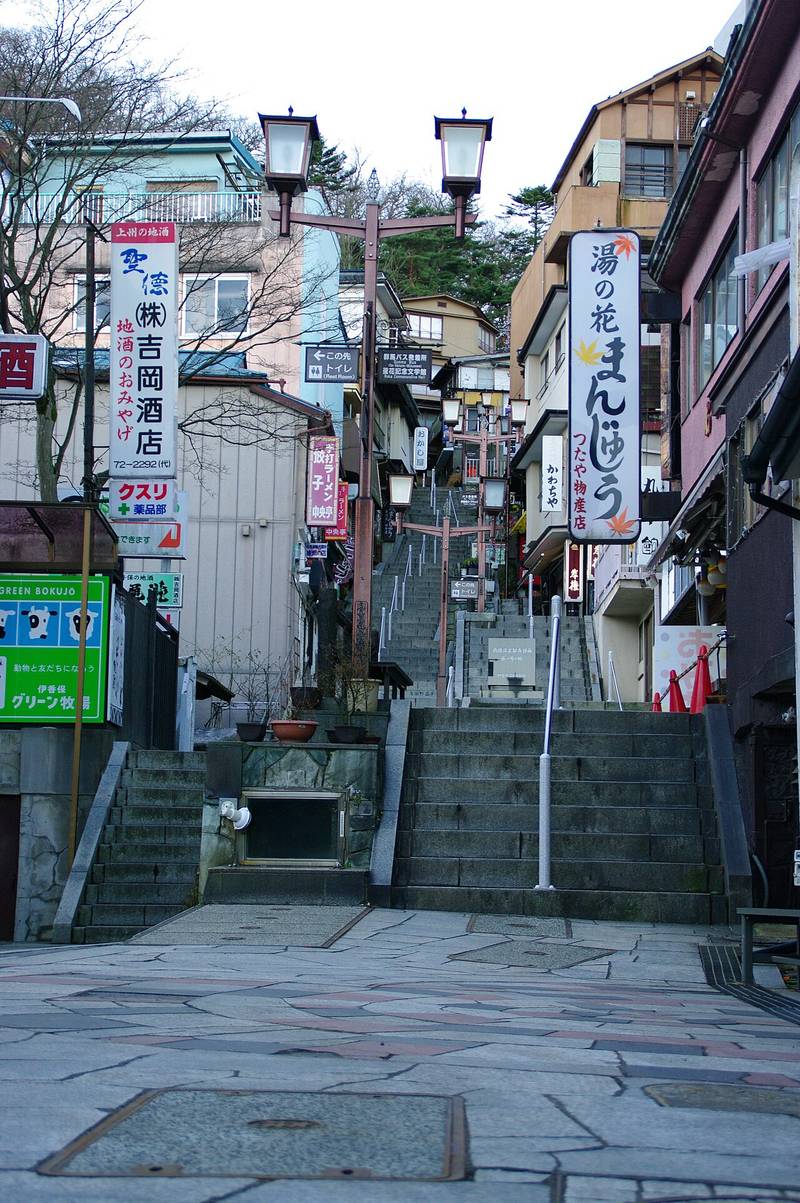
A hot spring resort developed on the middle slopes of Mt. Haruna, with a stone staircase lined with souvenir shops and inns on both sides as its symbol. It is known for two types of hot springs: the "Golden Hot Spring," which contains iron and is cloudy brown, and the "Silver Hot Spring," which is colorless and transparent. The Ishidangai (stone staircase) and Kajikabashi Bridge with its autumn colors are highlights. Please check the official website for fees and hours for day trips.
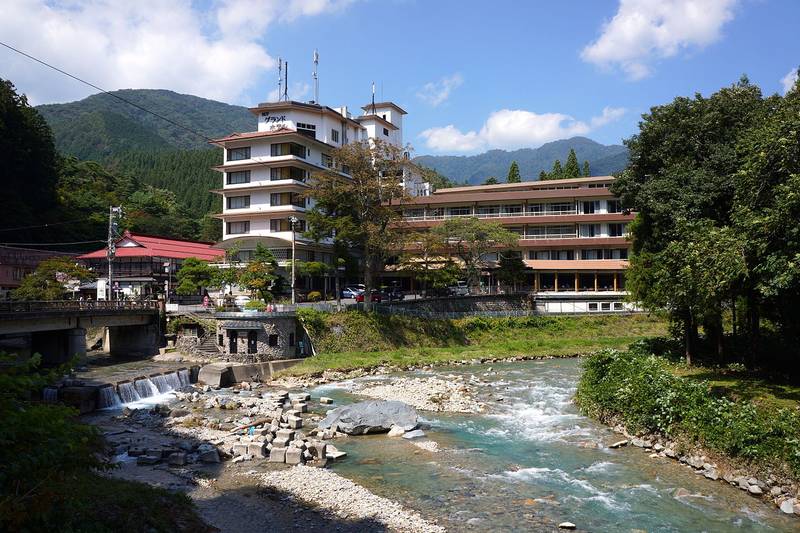
One of the first hot spring resorts designated as a National Health Resort in Japan in 1954. Inns line the banks of the Shima River, and it is said that its name comes from the legend that it "cures forty thousand (shima) illnesses." It is also known for its retro wooden inns. Please check the official website for the latest information on day trip availability, fees, and business hours, as they may change. Access by bus from Nakanojo Station.

A hot spring resort gushing from the shores of Lake Yunoko in Oku-Nikko, known for its milky white hot springs. Located within Nikko National Park, it is a National Health Resort. It serves as a base for nature walks around Lake Yunoko and Yudaki Falls, and is conveniently located for combining with sightseeing of shrines and temples such as Nikko Toshogu. Please check the official website for road conditions in winter and facility operating periods. Access by bus from JR/Tobu Nikko Station.
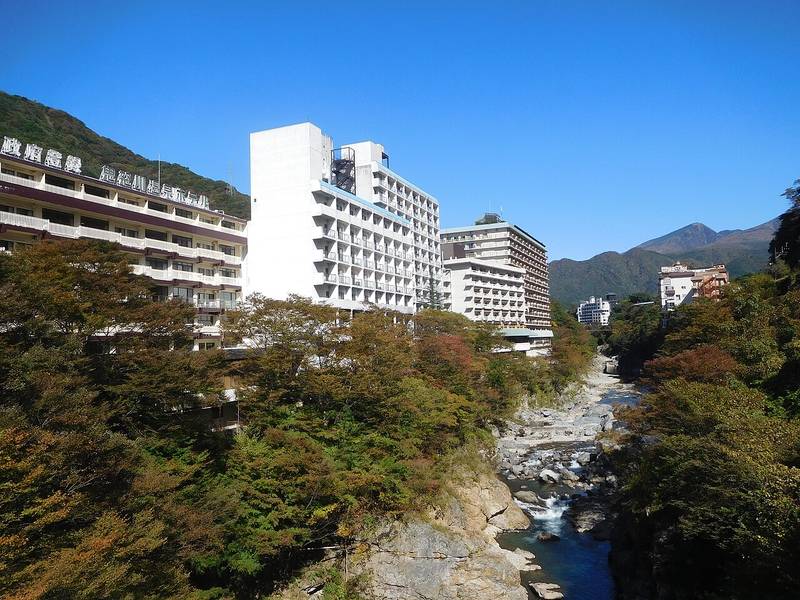
A resort hot spring town close to the Tokyo metropolitan area, lined with large inns along the Kinugawa River valley. You can enjoy it along with river cruises and nearby theme parks. Please check the official website for the latest information as operating status and fees for each activity may vary depending on the season and weather. Tobu Kinugawa Onsen Station is the gateway to the hot spring town.
Nasu Onsenkyo, which springs at the foot of Mt. Nasu (Mt. Chausu). It is known for its historic hot springs such as the old hot spring resort "Shika no Yu," and as a highland resort, it is also equipped with ranches and tourist facilities. It is also famous as a summer resort with an imperial villa. Please check the official website for the latest information on day trip bathing fees and business hours, and winter road conditions. Bus from Nasushiobara Station.
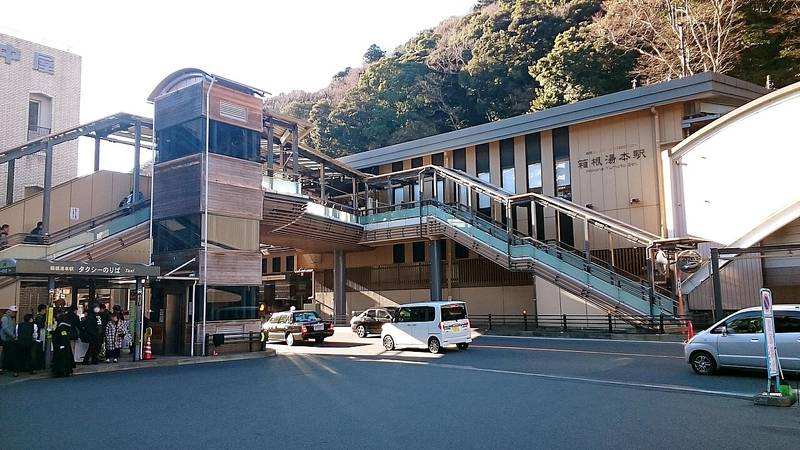
A hot spring resort that serves as the gateway to Hakone, with inns and day trip baths gathered along the Hakone Tozan Railway and Hayakawa River. It is known as a historically developed hot spring area within Hakone, and its accessibility from the city center is attractive. Please check the official website for the latest information as fees and business hours of day trip bathing facilities may change. From Odawara Station to Hakone-Yumoto Station.
4. Chubu/Hokuriku
A seaside hot spring resort facing Sagami Bay, popular as a historic hot spring cure destination and a resort area easily accessible from Tokyo by Shinkansen. Fireworks displays over the sea and strolls along the coast are popular. Please check the official website for the dates of fireworks displays and the fees and business hours of day trip facilities, as they vary by season. Access from JR Atami Station to the hot spring town and coast.
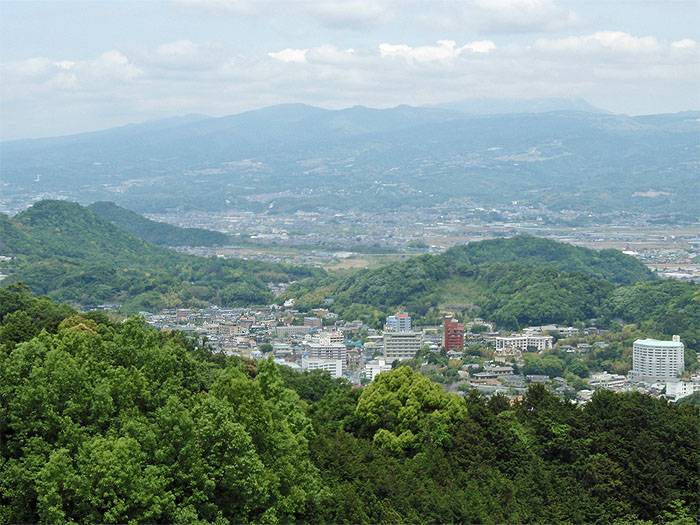
A hot spring resort in the northern part of the Izu Peninsula, consisting of two springs: Konami and Nagaoka. It is known as a place associated with the Minamoto clan, such as Yoritomo Minamoto, and offers spots with views of Mt. Fuji and a ropeway to Mt. Katsuragi as tourist bases. Please check the official website for the latest information on ropeway operation and day trip bathing fees and times. Take a bus from Izu-Nagaoka Station to the hot spring town.
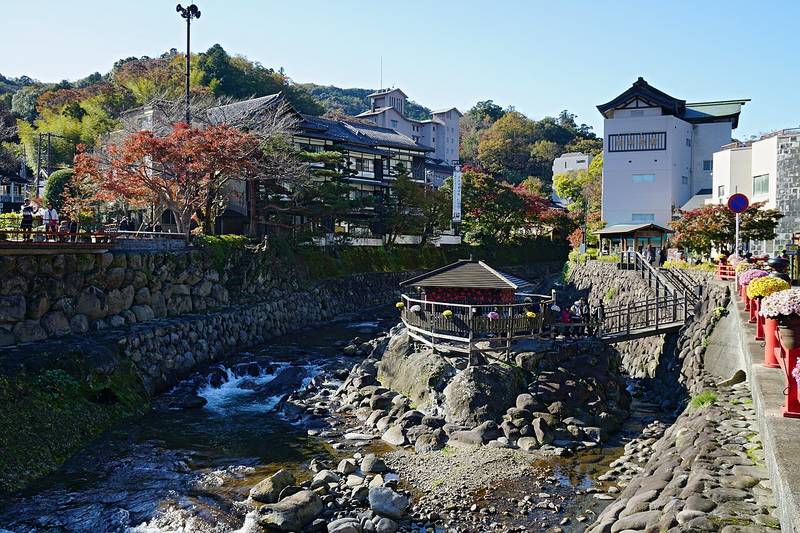
A hot spring resort said to be the oldest in Izu, with a legend of its opening by Kobo Daishi. It is a calm hot spring town where you can enjoy a charming town walk along the Katsura River, including the "Bamboo Forest Path" and Shuzenji Temple. Please check the official website for the latest information as availability, fees, and business hours for day trips vary by facility.
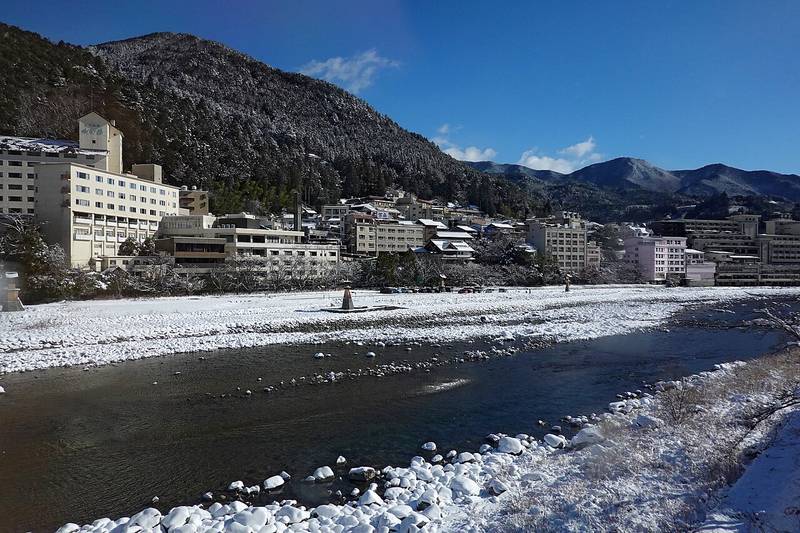
One of Japan's three famous hot springs, ranked alongside Arima and Kusatsu by Ranzan Hayashi. Inns line the banks of the Hida River, and its smooth, skin-friendly water is also called "Bijingo" (beauty hot spring). Riverside footbaths and hot spring hopping in the town are popular. Please check the official website for the latest information as fees and business hours of day trip bathing facilities may change. JR Gero Station is the gateway to the hot spring town.
A collective name for five hot spring resorts located at the foot of the Northern Alps: Hirayu, Fukuchi, Shin-Hirayu, Tochio, and Shin-Hotaka. It is known for its numerous open-air baths, and the mountain views from the Shin-Hotaka Ropeway are a highlight. Please check the official website for the operating status of the ropeway and road and facility operations in winter. The bus terminal in Hirayu Onsen serves as a hub for each hot spring resort.
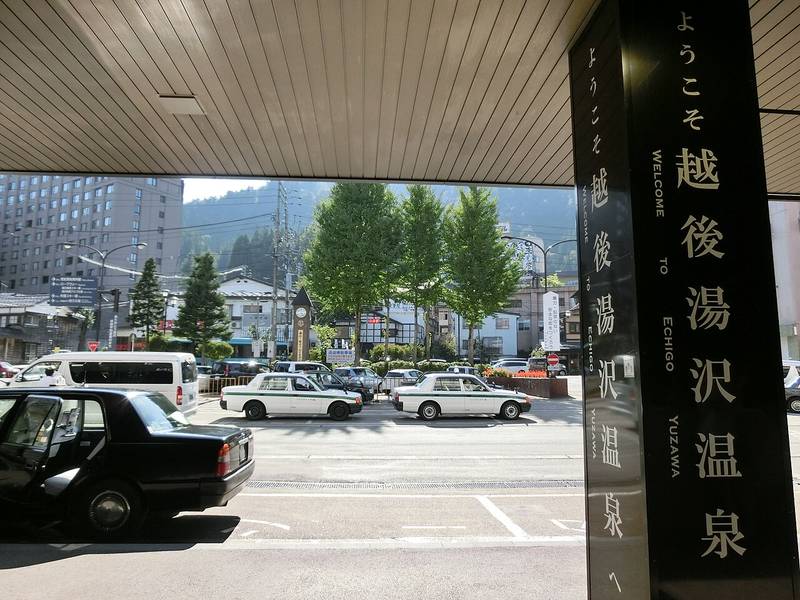
A hot spring resort known as the setting for Yasunari Kawabata's novel "Snow Country." It is close to Tokyo via the Joetsu Shinkansen, and you can enjoy skiing in winter and hot springs throughout the four seasons. Sightseeing is also enhanced with facilities directly connected to the station and sake tasting. Please check the official website for the latest information as day trip bathing fees and business hours, and ski resort operating periods may change. JR Echigo-Yuzawa Station is the gateway.
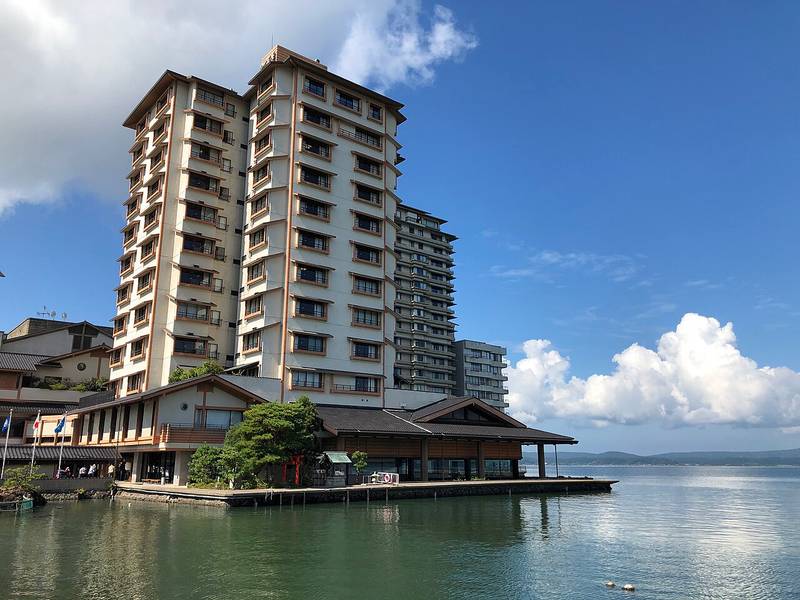
A seaside hot spring resort facing Nanao Bay on the Noto Peninsula, characterized by its saline hot springs. Inns overlooking the bay and seaside walks and footbaths are well-known. Please check the official website of each facility for the latest information before visiting, as operating status, availability of day trips, and fees may change. From JR Wakura-Onsen Station to the hot spring town.
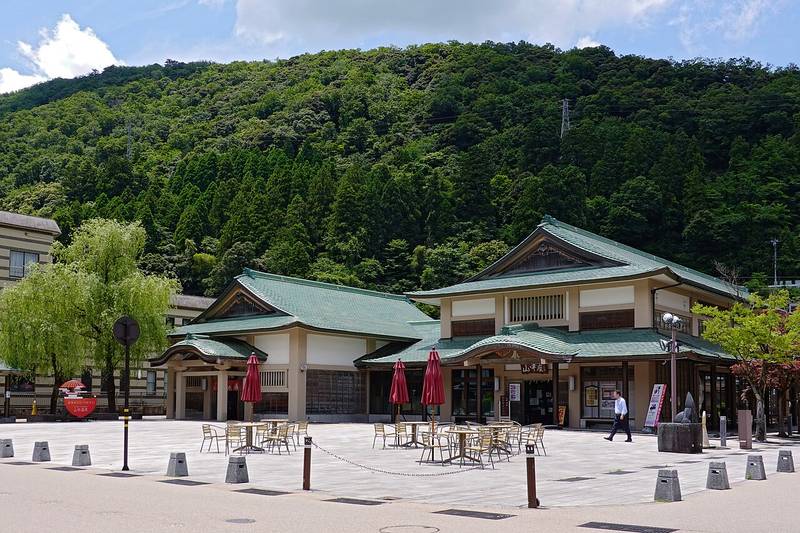
One of the Kaga Onsen villages, known for the scenic beauty of the Tsurusenkei gorge. Matsuo Basho also stayed here and left his name in "Oku no Hosomichi." The public bathhouse "Kiku no Yu" and the walks to Korogi Bridge and Ayatori Bridge are highlights. Please check the official website for the latest information on day trip bathing fees and business hours. Take a bus from Kagaonsen Station to the hot spring town.
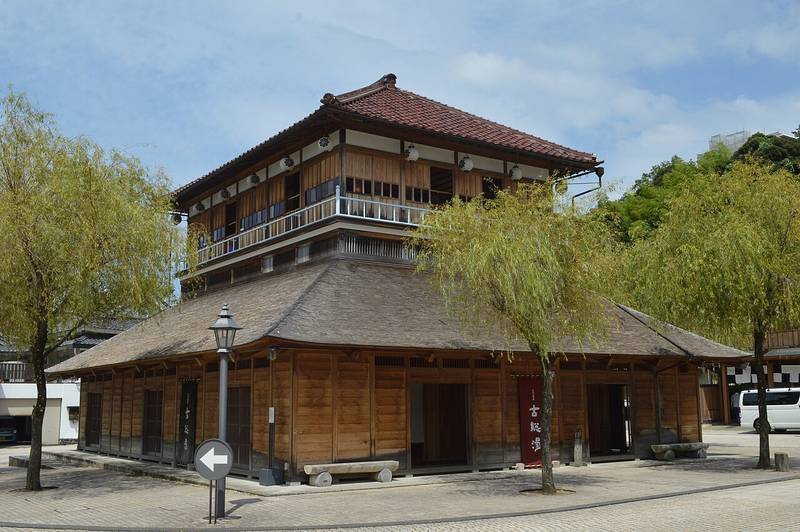
One of the Kaga Onsen villages, with the public bathhouses "So-yu" and "Ko-so-yu" standing in the center of the hot spring town. It is also known as a place associated with Rosanjin Kitaoji, and you can experience Kaga culture such as Kutani ware. Please check the official website for the latest information as daily bathing fees and business hours may change. Take a bus from Kagaonsen Station to the hot spring town.
5. Kinki/Chugoku/Shikoku
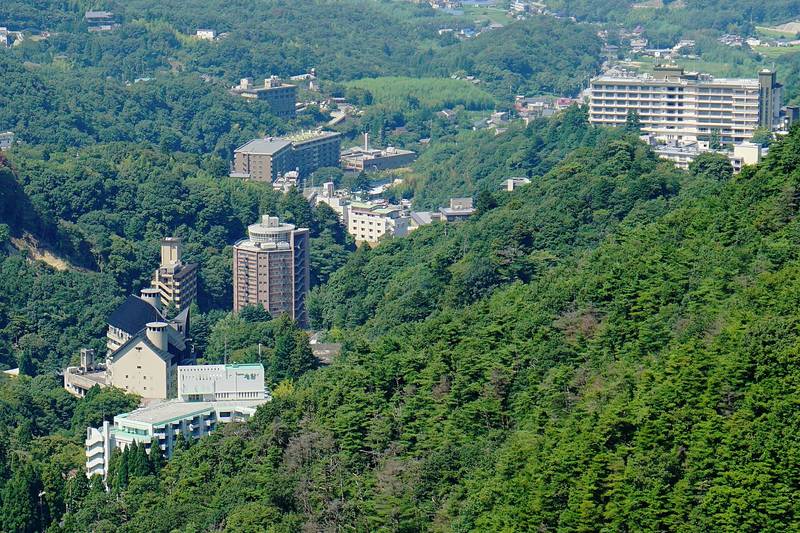
One of Japan's three famous hot springs and one of its three ancient hot springs, located in the inner parlor of Kobe. It is known for its two types of hot springs: "Kinsen" (gold spring), which contains iron and is cloudy brown, and "Ginsen" (silver spring), which is colorless and transparent. It is a charming hot spring town with inns and souvenir shops lining the hilly streets. Please check the official website for the latest information on fees and business hours of day trip bathing facilities.
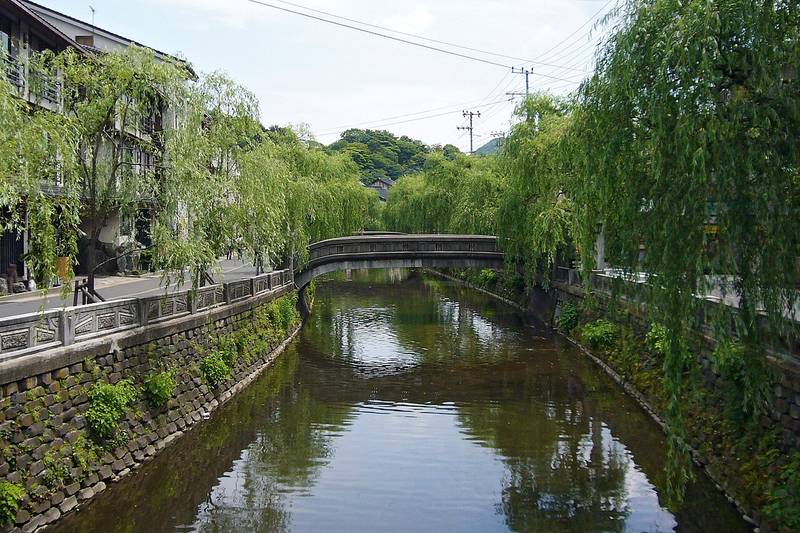
A hot spring resort known for its "Gaiyu Meguri" (seven outer bath tour) where you stroll along the Otawa River lined with willow trees and wooden inns, wearing a yukata. It is also the setting for Shiga Naoya's novel "Kinosaki nite." Please check the official website for the latest information as business hours, regular holidays, and admission fees for the outer baths may change. JR Kinosaki-Onsen Station is the gateway to the hot spring town.
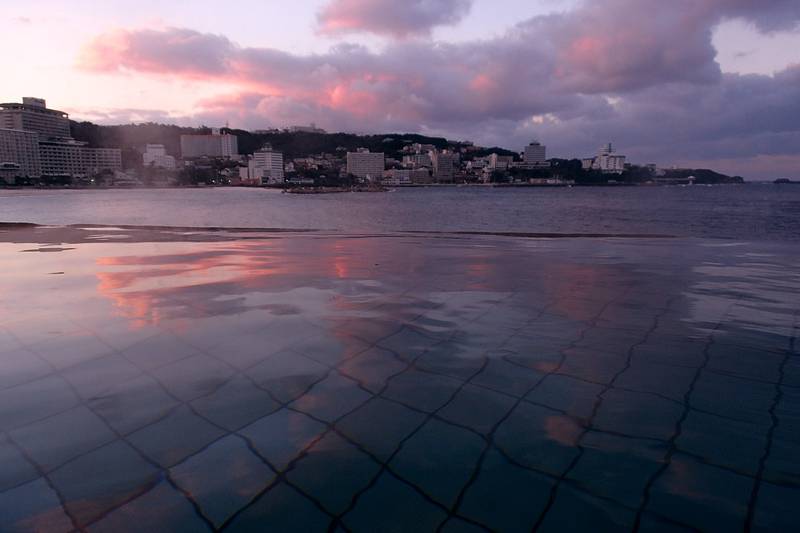
A hot spring resort in Nanki that features "Muro-no-yu," one of the three ancient hot springs in Japan. It is known for its white sandy beach Shirahama and the open-air bath "Saki-no-yu" overlooking the Pacific Ocean. It can be enjoyed in conjunction with swimming and the popular theme park with pandas. Please check the official website for confirmation as operating periods and fees for seaside facilities vary by season.
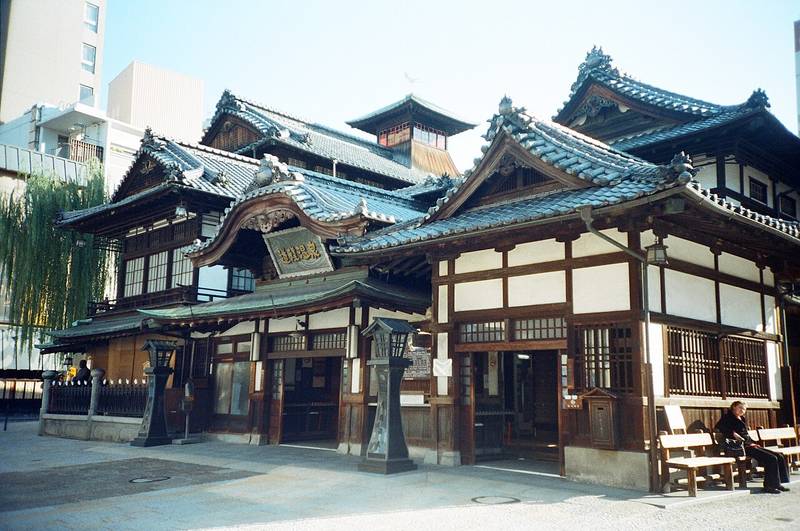
One of the three ancient hot springs of Japan, it is said to be one of the oldest hot spring resorts in Japan. The "Dogo Onsen Honkan," a designated Important Cultural Property, is its symbol, and it is also known as a place associated with Natsume Soseki's novel "Botchan." Please check the official website for the latest information as the operating status, bathing fees, and renovation status of the Honkan may change. Get off at "Dogo Onsen" on the city tram from Matsuyama city center.
6. Kyushu/Okinawa
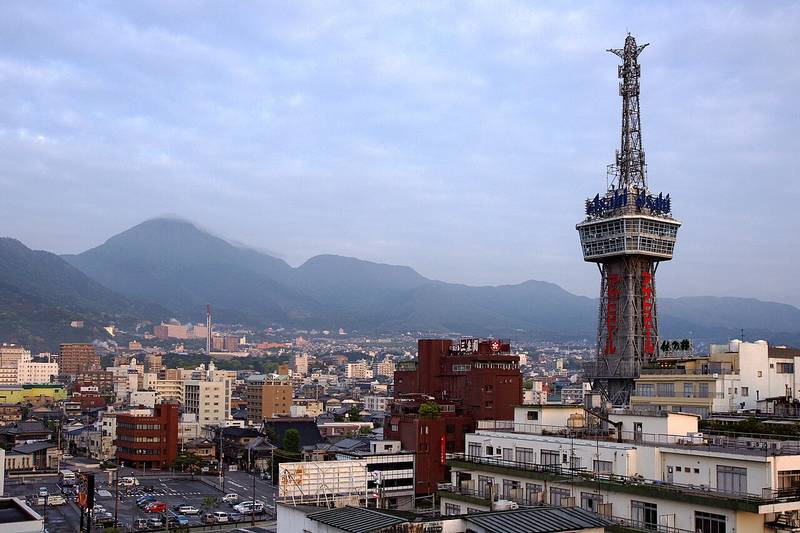
A hot spring resort with one of the largest sources and yields in Japan, consisting of several hot spring areas called Beppu Hatto. The "Jigoku Meguri" (Hell Tour), where you can see colorful hot springs, is a specialty. Please check the official website for the latest information as admission fees and business hours for each hell and day trip facilities may change. JR Beppu Station is the base for sightseeing.
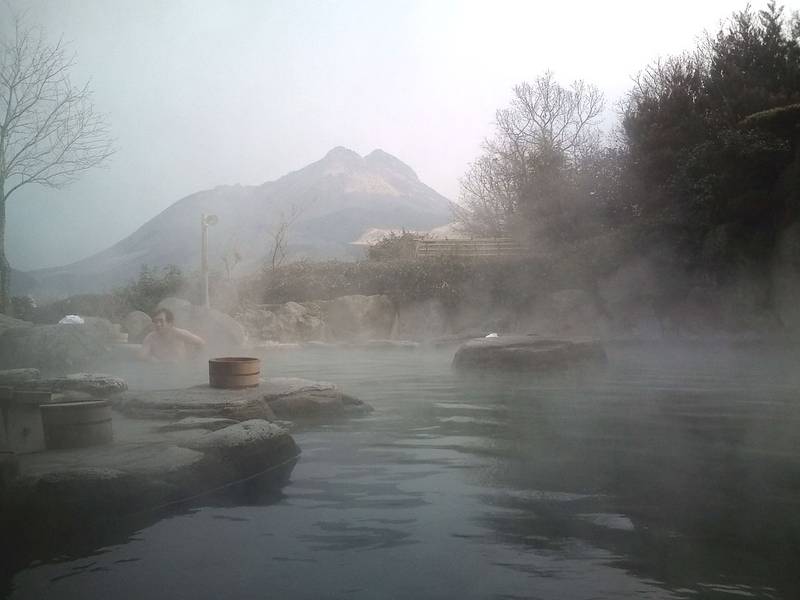
A popular hot spring resort spread at the foot of Mt. Yufu, with one of the largest yields in Japan. The town walk along Yunotsubo Kaido and Lake Kinrinko, where morning mist forms, are highlights, with various shops and cafes scattered around. Please check the official website for the latest information as availability, fees for day trips, and business hours of each shop may change. JR Yufuin Station is the starting point for town walks.
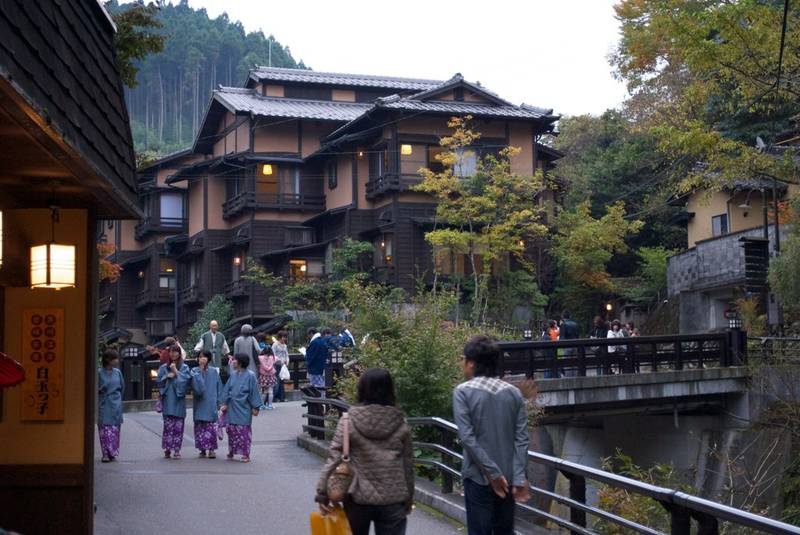
A hot spring resort in a valley in the countryside north of Aso, with uniformly designed inns. It is known for its "Iriyū Tegata" (bathing pass) that allows you to visit multiple open-air baths and is popular for its tranquil atmosphere. Please check the official website for confirmation as the price of the pass and reception hours for day-trip bathing at each inn may change. Access by bus or car from Fukuoka/Kumamoto areas.
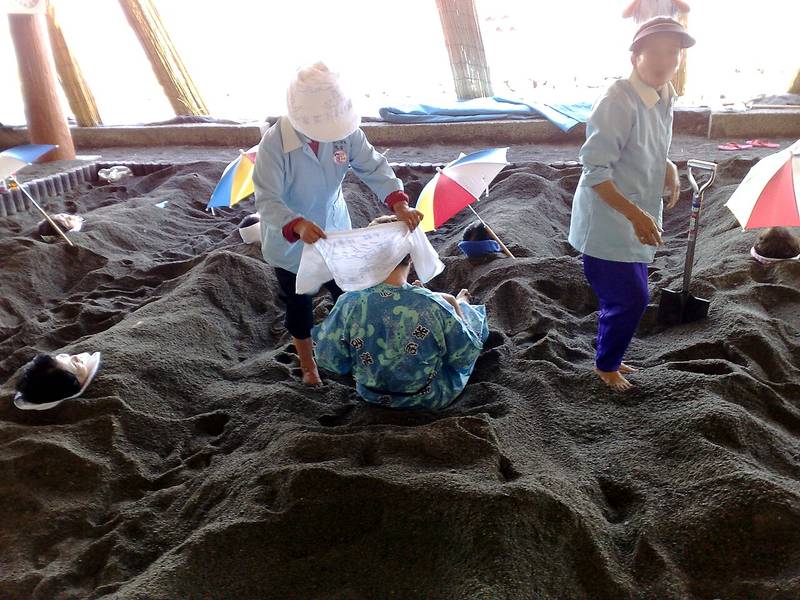
A hot spring resort in the southern part of the Satsuma Peninsula, known nationwide for its natural "sunamushi onsen" (sand bath) where you lie on the beach and cover your body with sand. The sand bath area overlooking the sea is a specialty. Please check the official website for the latest information as reception hours and fees for sand baths and day trips may vary depending on weather and season. JR Ibusuki Station is the base for the hot spring town and sand bath area.

A group of hot springs scattered on the middle slopes of the Kirishima mountain range, known for their sulfurous hot springs. It is a National Health Resort. It is also said to be a place visited by Sakamoto Ryoma and Oryo on their honeymoon, and it serves as a base for Kirishima Shrine and mountain trekking. Please check the official website for the latest information on day trip bathing fees and business hours, and the condition of mountain trails. Bus from Kirishima-Jingu Station.
Related lists
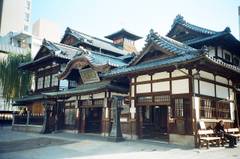
Dream Onsen Resorts in Japan You Must Stay At
Kusatsu's Yubatake, Ginzan Onsen's snowy scenery, Yufuin's morning mist... Carefully selected exceptional hot spring resorts that every Japanese person wants to visit at least once. All are places where strolling through the hot spring town is enjoyable.
12SO
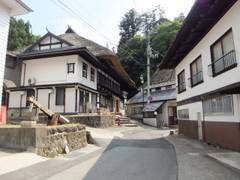
National Health Hot Spring Resort Designated by the Ministry of the Environment: A Tour of Famous Hot Springs
National Health Hot Spring Resorts are designated by the Minister of the Environment based on the Hot Springs Act as 'hot spring resorts where the effects of hot spring use can be fully expected and which are utilized as healthy resort areas.' Starting with three locations in 1954 (Shikatsuyun, Nikko Yumoto, and Shima), as of October 2022, 79 locations nationwide have been designated. This list compiles famous hot springs from across the country, categorized by region: Hokkaido, Tohoku, Kanto, Chubu, Kinki, Chugoku, Shikoku, and Kyushu/Okinawa.
79SO
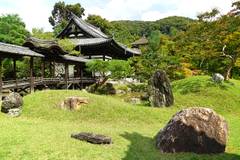
Famous autumn leaf viewing spots, visit them all. 30 best autumn views in Japan
Red, orange, gold. The season when Japan's mountains burn most beautifully. From Daisetsuzan in Hokkaido to Eikando in Kyoto, 30 views of crimson autumn.
30SO
Check off the places you visitand keep photos and notes.
Edit it however you like.
Sign up freeStart with your Google accountGet started right away, free