Shikoku 88 Temple Pilgrimage (Ohenro)
Keep a record of this trip
Sign up freeShikoku 88 Temple Pilgrimage (Ohenro)

The 'Ohenro' is a pilgrimage to 88 sacred sites associated with Kobo Daishi (Kukai), circling Shikoku. It covers four prefectures: Tokushima (Dojo of Awakening, temples 1-23), Kochi (Dojo of Austerity, temples 24-39), Ehime (Dojo of Enlightenment, temples 40-65), and Kagawa (Dojo of Nirvana, temples 66-88), with a total length of approximately 1,200 km. While it's common to start at Temple 1, Ryozen-ji, and conclude at Temple 88, Okubo-ji, the order of pilgrimage (jun-uchi, gyaku-uchi, kirikuri-uchi) is flexible. At each temple, pilgrims pay respects to the principal image and Kobo Daishi, and receive a 'nokyo' (temple stamp). Mt. Yakusanj, Mt. Tairyuji, and Mt. Yokoamineji are known as difficult mountain paths called 'henro korogashi'. You can record your pilgrimage to the 88 temples with maps and check-ins. Please confirm the procedures and reception hours for 'nokyo' at each temple and temple association.
1. Awa - Dojo of Awakening (Tokushima)
![Ryozen-ji [Temple 1]](https://efhkxnlnuiorzzuwqetz.supabase.co/storage/v1/render/image/public/place-photos/editorial/db2ace1a-c010-427b-bad3-7a4496ed36f3.jpg?width=800&resize=contain&quality=70)
The first temple of Awa (Dojo of Awakening) and the starting point of the pilgrimage. The principal image is Shaka Nyorai, and it is said to have been founded by imperial decree of Emperor Shomu during the Nara period, later becoming a sacred site associated with Kobo Daishi. Many people visit the Hondo (main hall) and Daishido (Kobo Daishi hall) and prepare their pilgrimage supplies here before departing. It is a temple on flat ground, easy to visit, within walking distance of JR Bandō Station, and close to the Kōnan Naruto IC. Nokyo (temple stamps) are issued at this temple. Please confirm procedures and reception hours on the official website.
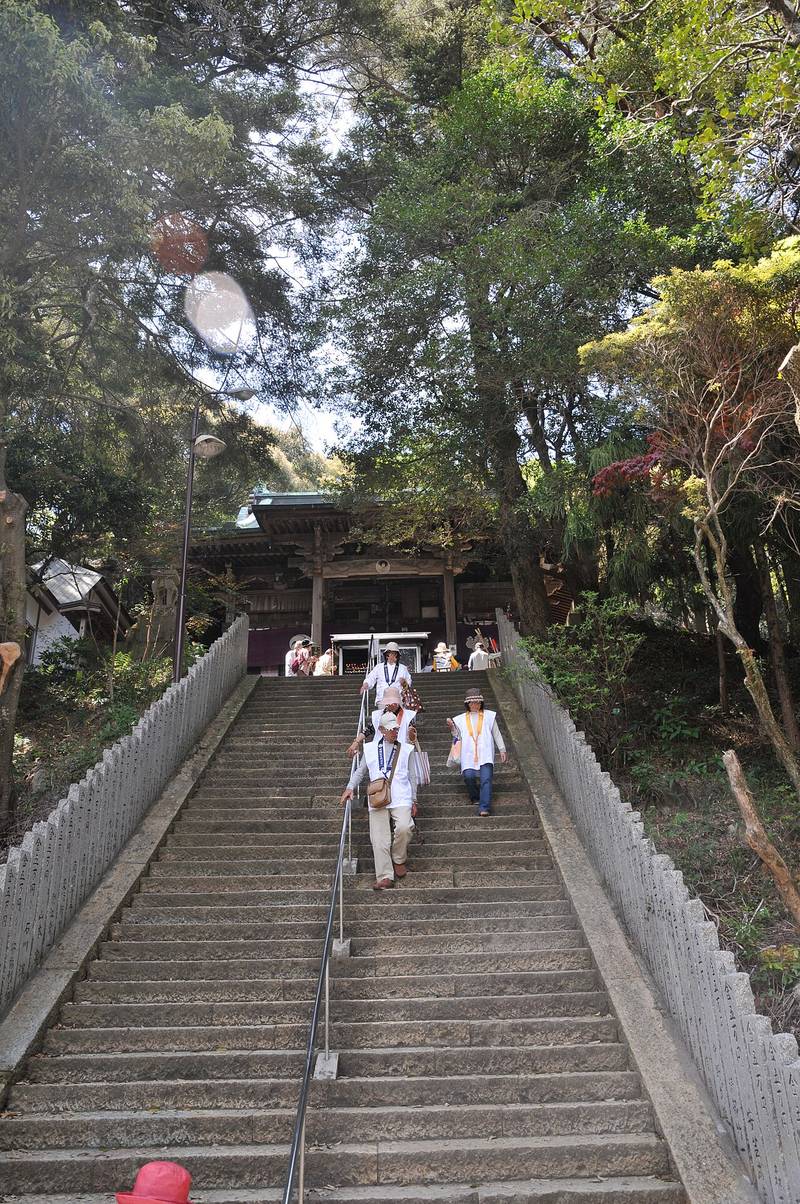
Awa Temple 2 in Naruto City. The principal image is Amida Nyorai, and it is said to be called Nichijōzan due to a legend that the light emitted by the statue reached Naruto. It is also known as a temple for praying for safe childbirth. Within the grounds is the 'Chōmei Sugi' (Naruto City Natural Monument), said to have been planted by Kobo Daishi himself, which pilgrims touch while wishing for health and longevity. It is about 1 km from Temple 1, Ryozen-ji, making it the second temple for those starting on foot. Visit the Hondo and Daishido. Nokyo (temple stamps) are issued at this temple. Please confirm procedures and reception hours on the official website.
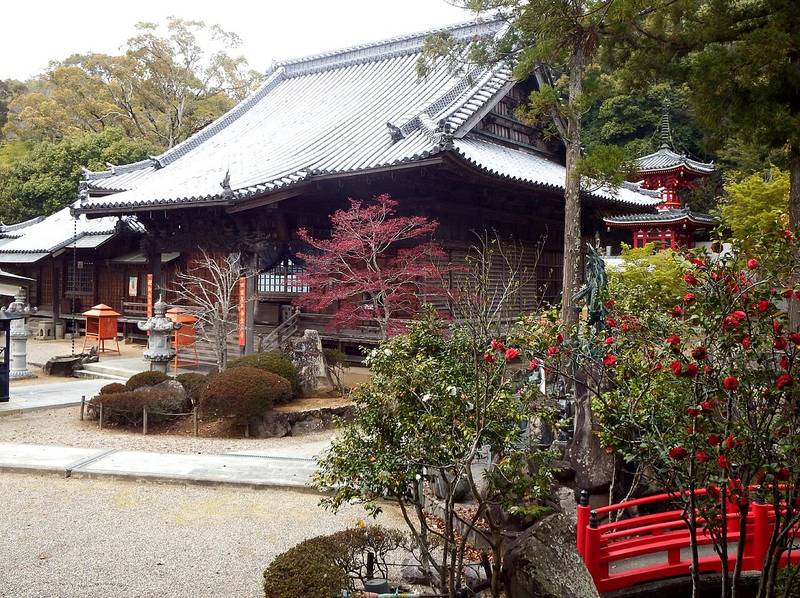
Awa Temple 3 in Itano Town. The principal image is Shaka Nyorai, and it is said to have been founded by Gyoki. The temple's name (Kinsen-ji) originates from a legend of a 'golden well' said to have been dug by Kobo Daishi; there is a saying that if you look into the well and see your reflection, you will live a long life. Within the grounds, there is also a 'power stone' said to have been lifted by Benkei during the Genpei War. It is a temple on flat ground, easily accessible. Visit the Hondo and Daishido. Nokyo (temple stamps) are issued at this temple. Please confirm procedures and reception hours on the official website.
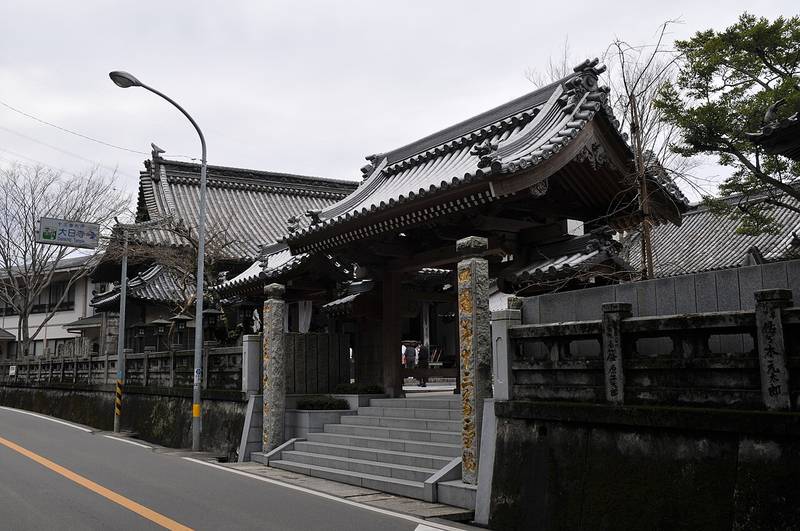
Awa Temple 4 in a mountainous area of Itano Town. The principal image is Dainichi Nyorai, making it one of the few temples in the 88 Temples with Dainichi Nyorai as the principal image. The corridor connecting the Hondo and Daishido is lined with statues of Kannon from the 33 temples of Saigoku, said to have been donated by a believer from Osaka during the Edo period. It is a different temple from the similarly named Temple 13, Dainichi-ji (Tokushima City, principal image is Juichimen Kannon). The mountain name is Kurogasan. Visit the Hondo and Daishido. Nokyo (temple stamps) are issued at this temple. Please confirm procedures and reception hours on the official website.
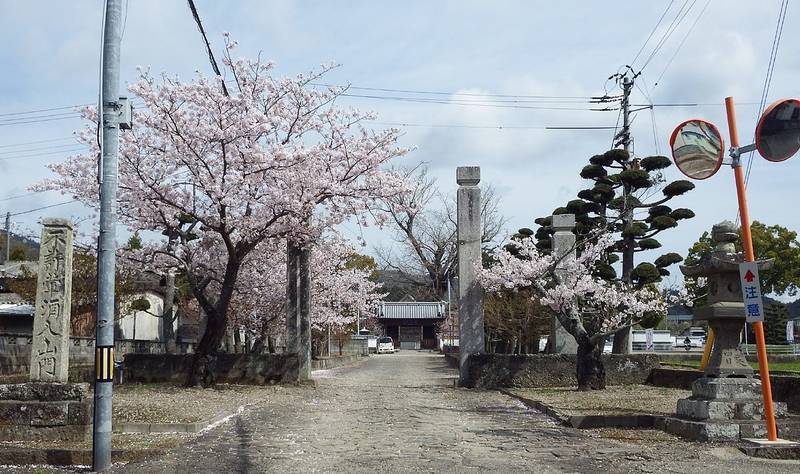
Awa Temple 5 in Itano Town. The principal image is Jizo Bosatsu (Enmei Jizo), and it is said to enshrine Shoten Jizo within its body. The Rakan-do (hall of Arhats) in the inner sanctuary is famous for its 500 Rakan statues, which were once said to number five hundred; even though many were lost in a fire, the statues with their diverse expressions can still be admired. The mountain name is Mujinzan. It is a temple on flat ground, easy to visit. Visit the Hondo and Daishido. Nokyo (temple stamps) are issued at this temple. Please confirm procedures and reception hours on the official website.
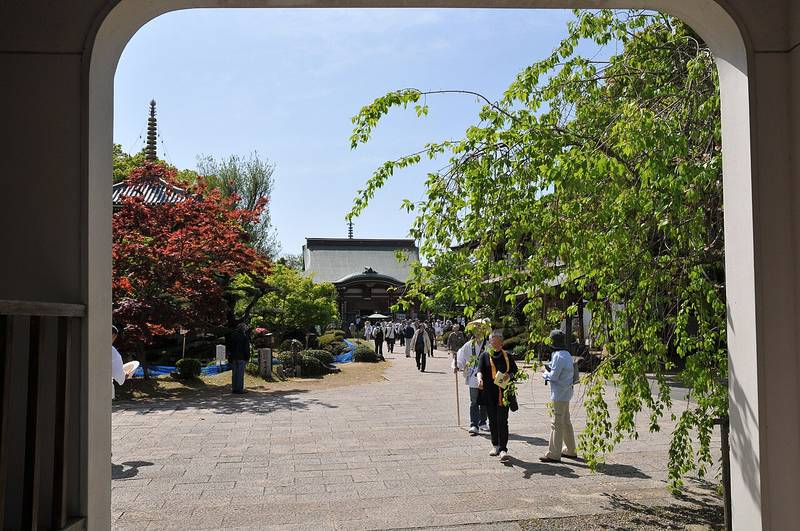
Awa Temple 6 in Kamiita Town. The principal image is Yakushi Nyorai. Hot springs well up within the grounds, and it is called Onsenzan. It is known as the first 'shukubo' (pilgrim's lodging) in the 88 Temples and is popular as a temple where pilgrims can relax in medicinal hot springs after their journey. It is said to have been founded by Kobo Daishi, but it was destroyed by fire during the Sengoku period and rebuilt in its current location in modern times. The mountain name is Onsenzan, and the temple name is Ruriko-in. Visit the Hondo and Daishido. Nokyo (temple stamps) are issued at this temple. Please confirm the fees and hours for lodging and bathing on the official website.
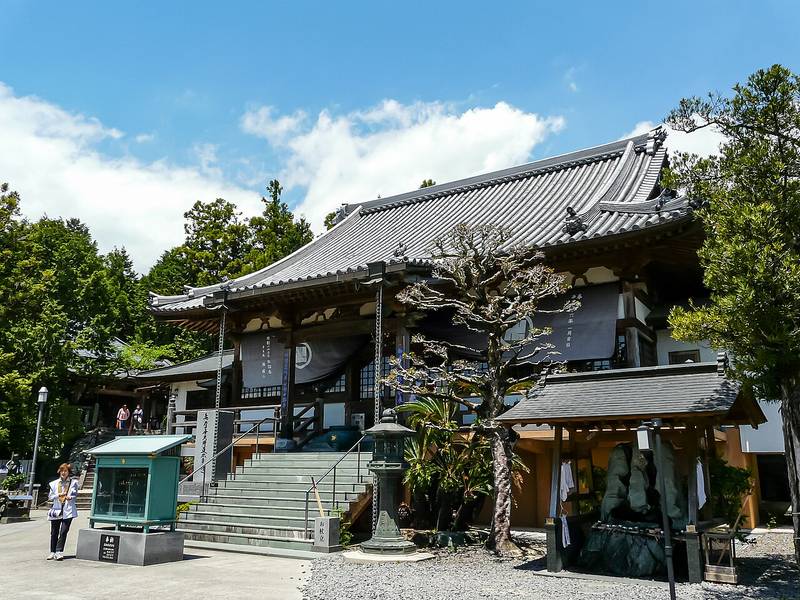
Awa Temple 7 in Awa City. The principal image is Amida Nyorai. The 'Chigan-shitsumoku Kyūsei Jizōson' in front of the Hondo has been known for its efficacy against eye diseases since ancient times, and many pilgrims suffering from eye problems visit. The mountain name is Kōmyōzan, and the temple name is Renge-in. The grounds also feature a vermilion-lacquered middle gate and offer lodging. It is located on flat ground and is easy to visit. Visit the Hondo and Daishido. Nokyo (temple stamps) are issued at this temple. Please confirm the availability and reception hours for lodging on the official website.
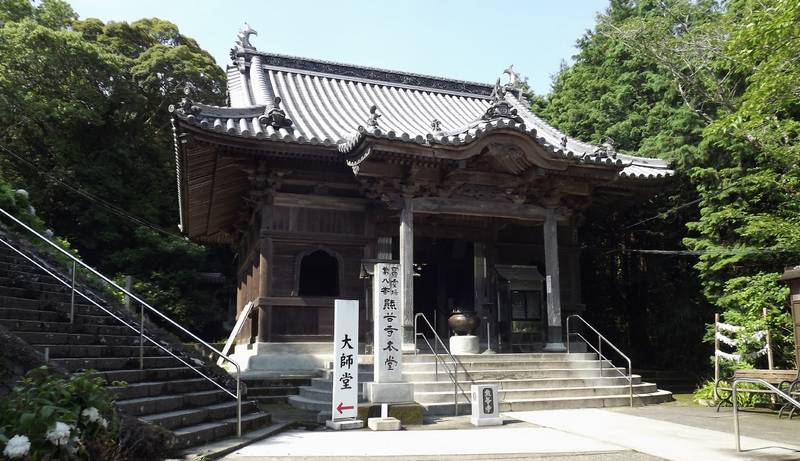
Awa Temple 8 in Awa City. The principal image is Senju Kannon. The magnificent Niōmon gate, built during the Genroku era of the Edo period, is a designated cultural property of Tokushima Prefecture and is the tallest gate-style building among the 88 Temples, exceeding 12 meters in height. A tahōtō (multi-storied pagoda) also stands within the grounds, and the temple is known for its impressive architecture. The mountain name is Fumeizan, and the temple name is Shinkō-in. It is a temple at the foot of a mountain surrounded by greenery. Visit the Hondo and Daishido. Nokyo (temple stamps) are issued at this temple. Please confirm procedures and reception hours on the official website.
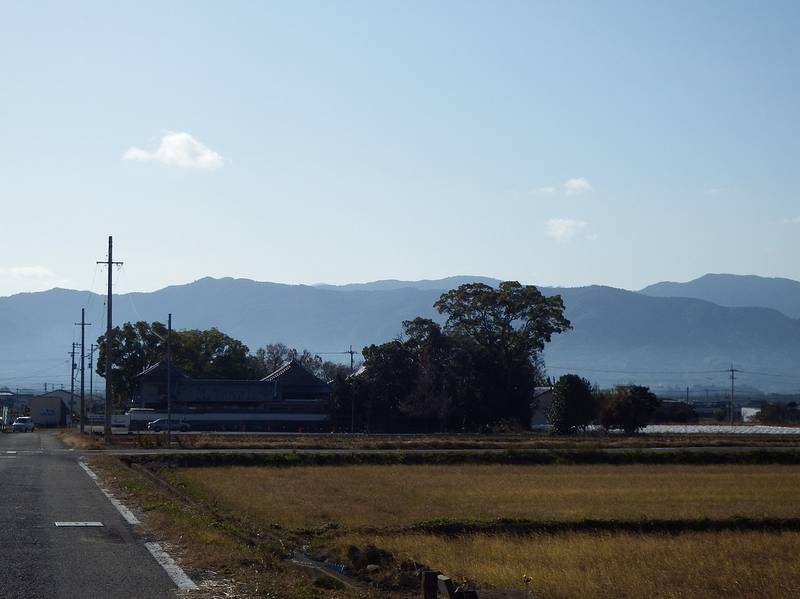
Awa Temple 9 in Awa City. The principal image is Nehan Shaka Nyorai (a Nirvana statue depicting Shakyamuni's passing), and this is the only temple among the 88 Temples with Nehan Shaka Nyorai as the principal image. It is a hidden Buddha and is only opened once a year. It is said to bring benefits for leg and foot health, and straw sandals are dedicated by those wishing for strong legs. The mountain name is Shōkakuzan, and the temple name is Bodai-in. It is a temple on flat ground, easy to visit. Visit the Hondo and Daishido. Nokyo (temple stamps) are issued at this temple. Please confirm procedures, reception hours, and opening dates on the official website.
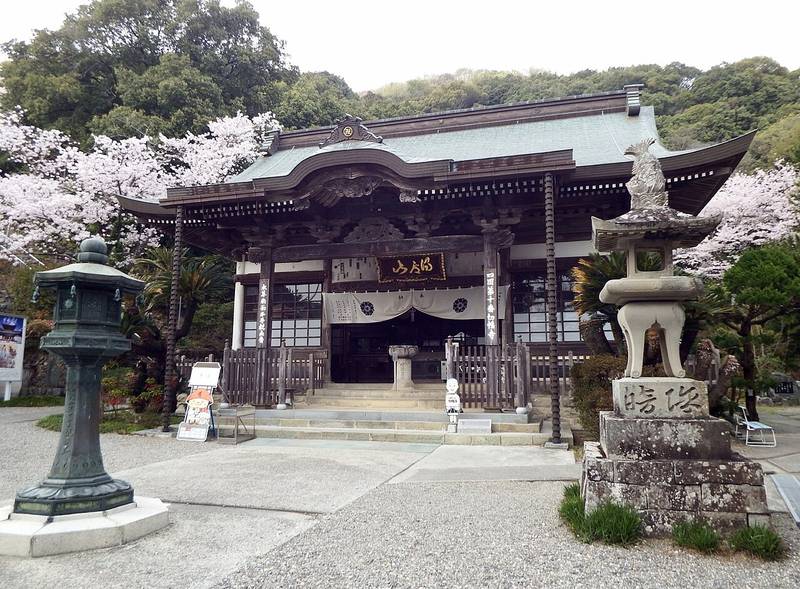
Awa Temple 10 in Awa City. The principal image is Senju Kannon. It is known for the legend of the 'hatakiri Kannon' (cutting cloth Kannon), where a weaving daughter offered cloth to Kobo Daishi and attained Buddhahood. From the temple gate to the Hondo, there are 333 stone steps, making it a difficult ascent. On the mountain, there is a large pagoda (Important Cultural Property), said to have been built by Toyotomi Hideyori in Osaka and later relocated, offering a panoramic view of the Yoshino River. The mountain name is Tokudozan. Visit the Hondo and Daishido. Nokyo (temple stamps) are issued at this temple. Please confirm procedures and reception hours on the official website.
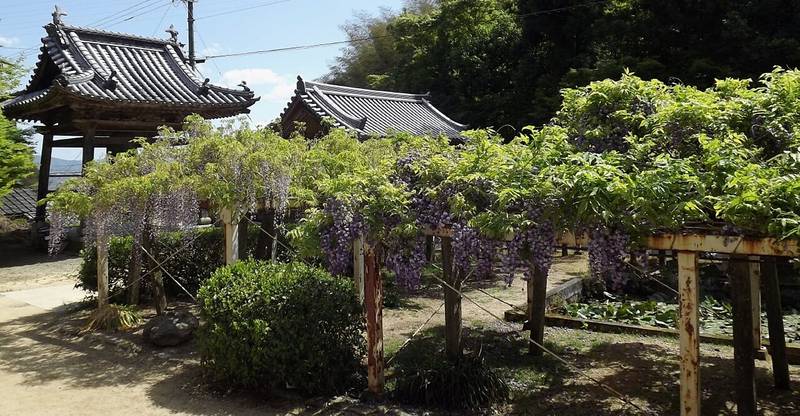
Awa Temple 11 in Yoshinogawa City. The principal image is Yakushi Nyorai, and it is worshipped as a Yakushi for warding off evil. The legend that Kobo Daishi planted five-colored wisteria is the origin of the temple's name (Fuji-i-ji), and the wisteria flowers are in full bloom in spring. The mountain name is Kongōzan. From here to Temple 12, Yakuri-ji, begins the steep mountain path of about 13 km, known as 'Henro Korogashi', the first difficult section for pilgrims on foot. Visit the Hondo and Daishido. Nokyo (temple stamps) are issued at this temple. Please confirm procedures and reception hours on the official website.
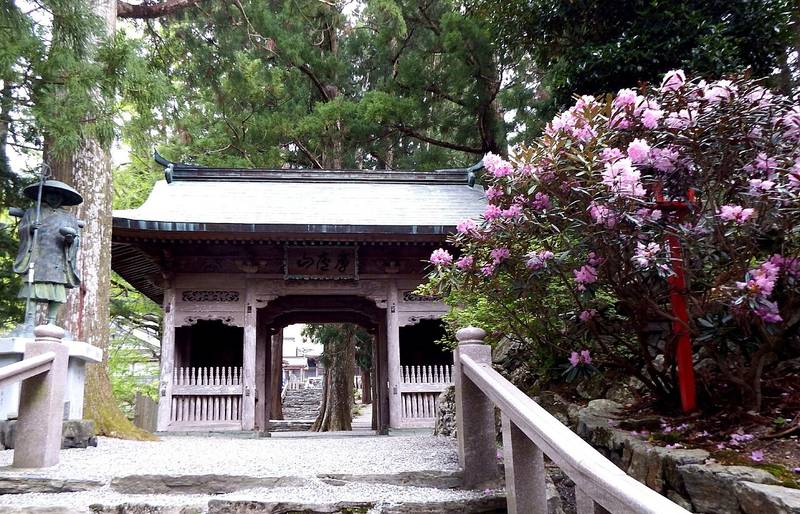
Awa Temple 12, located at an altitude of approximately 700m in the mountains of Kamiyama Town. The principal image is Kokūzō Bosatsu. It is one of the most difficult temples in the 88 Temples, reached after crossing the steep mountain path from Temple 11, Fuji-i-ji, and is a prime example of 'Henro Korogashi', known as 'First Yakuri, Second Tsurugi, Third Tairyū'. The mountain name is Marusan, and the temple name is Shōju-in. It is a solemn sacred site surrounded by deep mountain cedar forests. Walking takes a long time, and access by car also involves mountain roads. Visit the Hondo and Daishido. Nokyo (temple stamps) are issued at this temple. Please confirm procedures and reception hours on the official website.
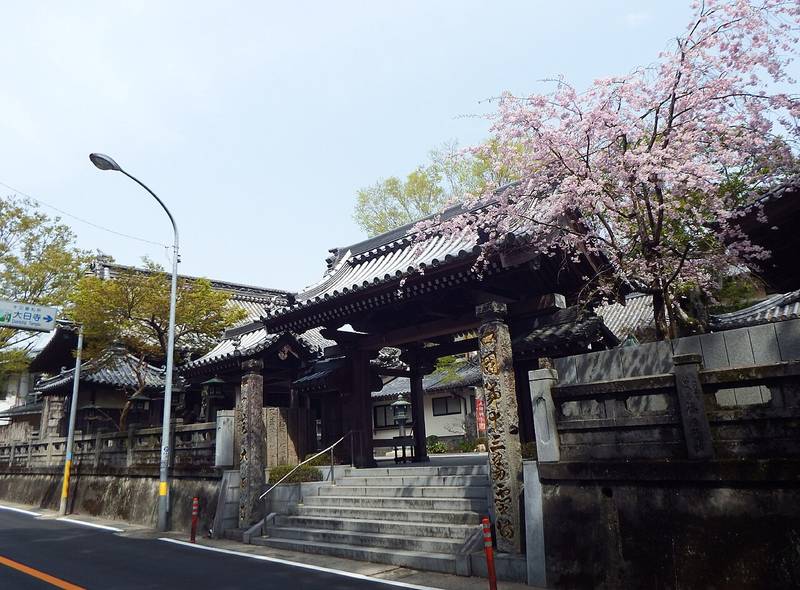
The 13th temple of Awa in Ichinomiya, Tokushima City. The principal image is Eleven-faced Kannon, which is said to have been moved from Awa Ichinomiya Shrine during the separation of Buddhism and Shinto in the Meiji era. The 'Shiawase Kannon' at the entrance of the precincts is a statue with a small Kannon enshrined in its clasped hands, and worshippers pray for happiness. It is a different temple from the 4th Dainichi-ji (initano-cho, principal image is Dainichi Nyorai) of the same name. The mountain name is Okuriyama, and the temple name is Kazo-in. Visit the main hall and Daishi Hall. Temple seals (Goshuin) are awarded at this location. Please confirm procedure and reception hours officially.
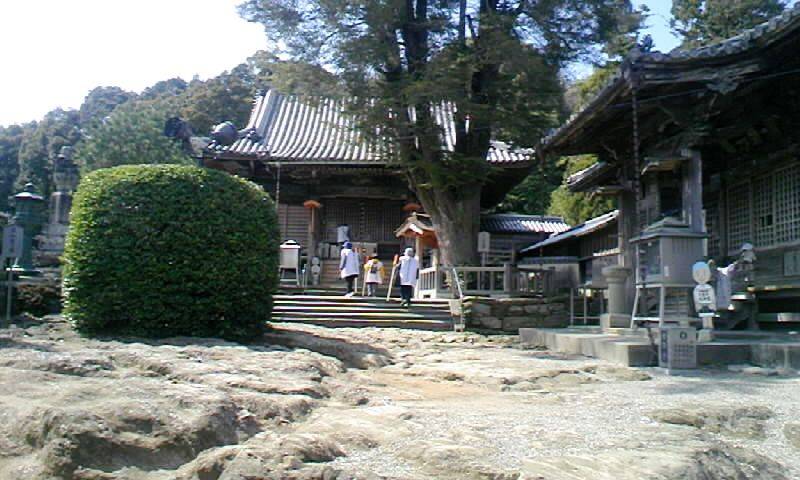
Awa Temple No. 14 in Tokushima City. The principal image is Miroku Bosatsu, and this is the only temple among the 88 temples that enshrines Miroku Bosatsu as its principal image. The temple grounds are known for their unique 'flowing water rock garden' with exposed bedrock, where the landscape of naturally undulating stones is a highlight. Beside the main hall stands a large, old tree of Aragii (Japanese yew) called 'Aragii Daishi', which is worshipped for health. The mountain name is Seijuzan, and the temple name is Enmeiin. Visit the main hall and Daishido. Sutra copies (Goshuin) are provided at this office. Procedure and reception hours are to be confirmed officially.
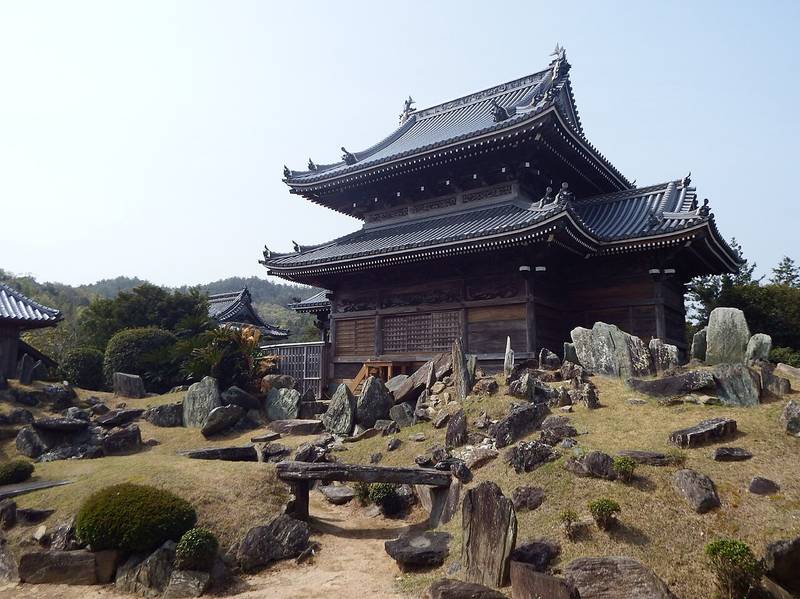
Awa 15, Kokucho, Tokushima City. The principal image is Yakushi Nyorai. It originates from Awa Kokubunji, one of the Kokubunji temples built nationwide by Imperial decree of Emperor Shomu during the Nara period, and it is said to have been founded by Gyoki. It is a Soto sect temple, which is rare among the 88 temples. Within the grounds is the "Awa Kokubunji Garden," a pond-viewing style garden said to be from the Momoyama period, designated as a National Place of Scenic Beauty. The mountain name is Yakuosan, and the temple name is Konkeiin. Visited the Hondo (main hall) and Daishido (founder's hall). Noken (Goshuin) is issued at this temple. Please confirm garden viewing fees and reception hours officially.
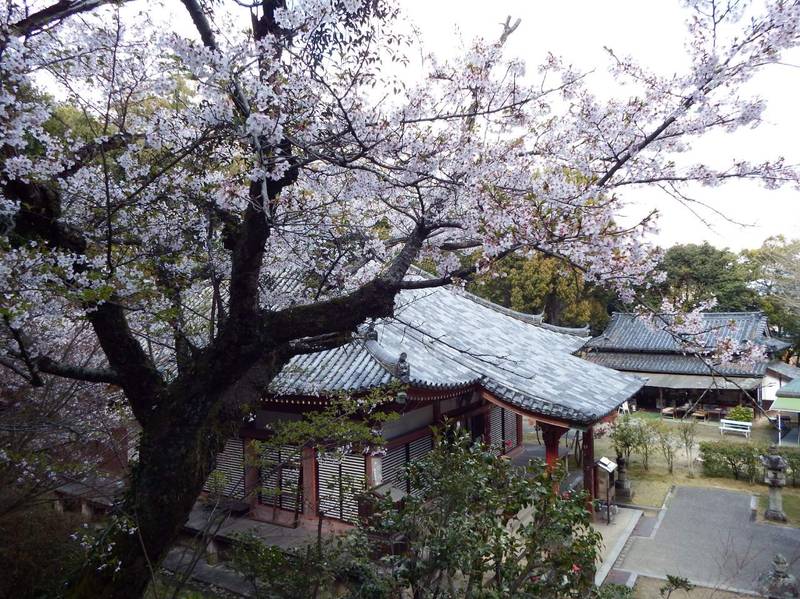
A small temple of the Koya-san Shingon sect in Kokucho, Tokushima City, part of the Awa region's spiritual awakening path. The principal image is Senju Kannon Bosatsu. According to temple tradition, it was founded by Gyoki by imperial decree of Emperor Shomu, and later Kobo Daishi carved the principal image and established the current temple name. It was devastated by fire during the Tensho era and rebuilt in the Edo period with the support of the Hachisuka family. It is a different temple from the 69th Kannonji (Kagawa) of the same name. Noken is issued at this temple; please confirm the latest official information for procedures and reception hours. Access by bus from JR Tokushima Station is convenient.
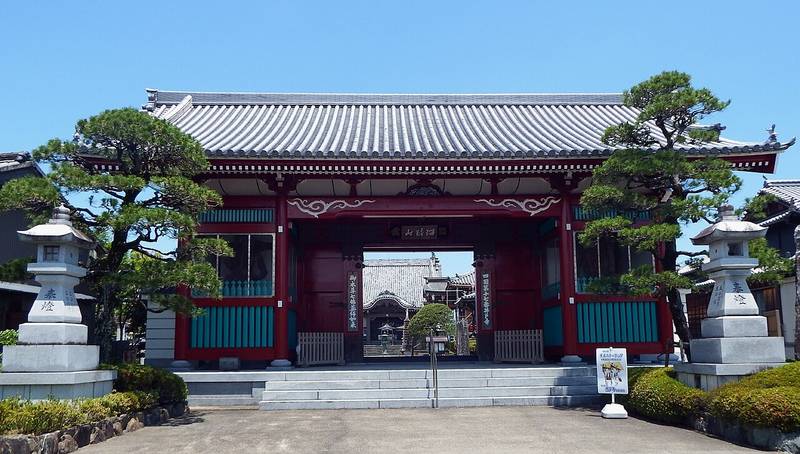
A temple in Kōfu Town, Tokushima City, belonging to the Shingon-shū Zentsū-ji-ha sect. The principal image is Shichibutsu Yakushi Nyorai, and it is said to be the only temple among the 88 Temples with Shichibutsu Yakushi as the principal image. The name of the temple comes from the 'Omokage no Ido' (well of likeness), which Kobo Daishi is said to have dug overnight with his staff; there is a saying that if you see your reflection in the well, you will be free from illness and disaster. Temple treasures such as a Juichimen Kannon statue are also passed down. Nokyo is issued at this temple; please confirm procedures and hours on the official website. Within walking distance of JR Kōfu Station. Dojo of Awakening.
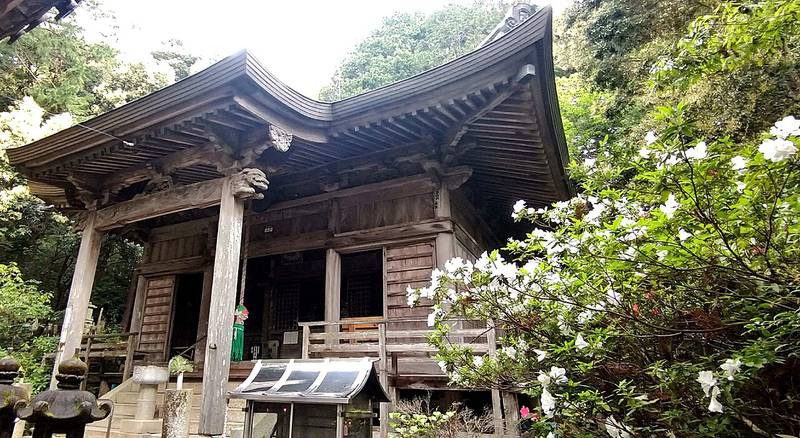
A temple in Tanomachi, Komatsushima City, belonging to the Koyasan Shingon sect. The principal image is Yakushi Nyorai. According to temple tradition, it was founded by Gyoki by imperial order of Emperor Shomu, and was originally a place forbidden to women. However, Kobo Daishi is said to have performed a ritual to lift the ban, and welcomed his mother, Tamayori Gozen, who visited him, and showed filial piety. In the precincts, there is the Gokou-do, said to contain his mother's hair, and it is known as a temple associated with his mother. Temple seals are awarded at this temple; please confirm hours officially. Located at the foot of the mountain overlooking Komatsushima Bay. A place of spiritual awakening.
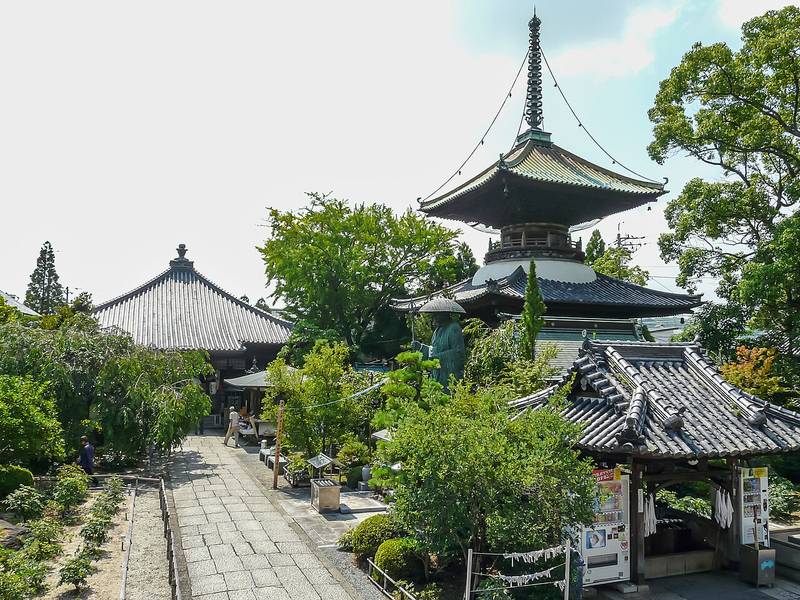
A temple of the Koya-san Shingon sect in Tatsue-cho, Komatsushima City. The principal image is Enmei Jizo Bosatsu. According to temple tradition, it was founded by Gyoki. It is considered the 'main checkpoint (sekisho-ji)' of the Shikoku Pilgrimage, with a belief that those with evil intentions cannot proceed further. Beside the Daishido stands the Kurokami-do, associated with the legend of 'Okyo'. It is an ancient temple affectionately known as 'Tatsue no Jizo-san' by locals. Sutra copies are provided at this office; please confirm procedure and hours via official guidance. Easily accessible within walking distance from JR Tatsue Station. The Dojo of Awakening.
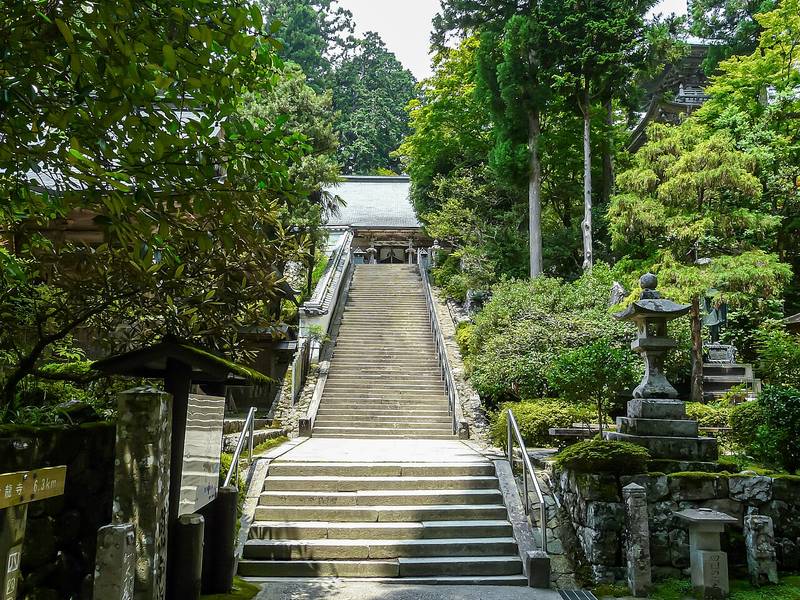
Located on a mountain approximately 570m above sea level in Katsuura Town, this is a pilgrimage temple of the Koya-san Shingon sect, known as one of Awa's difficult routes, "Henro Korogashi" (first Mt. Yake, second Tsuru, third Tairyu). The principal image is Jizo Bosatsu. The temple name is said to originate from a legend where two white cranes, a male and a female, guarded a golden statue of Jizo. A statue of a crane stands in front of the main hall, and a three-story pagoda soars to the east. It is a place of spiritual awakening. Noken is issued at this temple; please confirm the procedure and hours officially. The mountain path for pilgrims on foot is steep, and the road for vehicles is also narrow, so drive with caution.
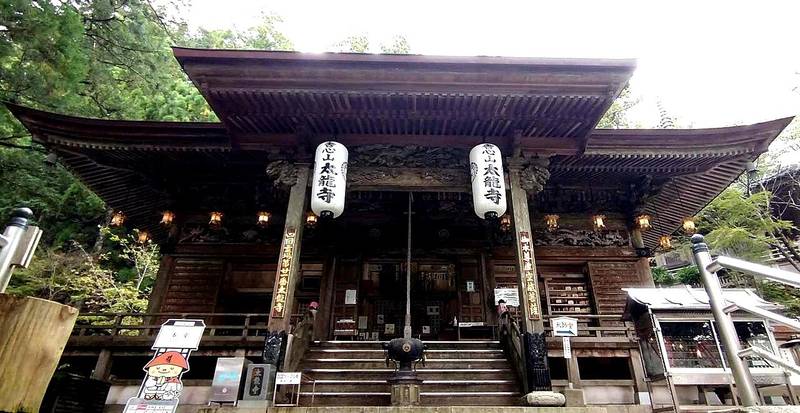
A large temple of the Koya-san Shingon sect located on a mountain approximately 600m above sea level in Kamo Town, Anan City, known as the "Koya of the West." The principal image is Kokuzo Bosatsu. It is a sacred site where Kobo Daishi, in his youth, practiced the Kokuzo Gumonji-ho at Okunoin Sharagamine, as recorded in his own writing "Sankyō Shigiki." It is a difficult route, along with Kakurin-ji, known as "Henro Korogashi," but it can now be visited by ropeway. The mausoleum is located behind the Daishido. It is a place of spiritual awakening. Noken is issued at this temple; please confirm procedures and hours officially. The road is steep, so exercise caution.
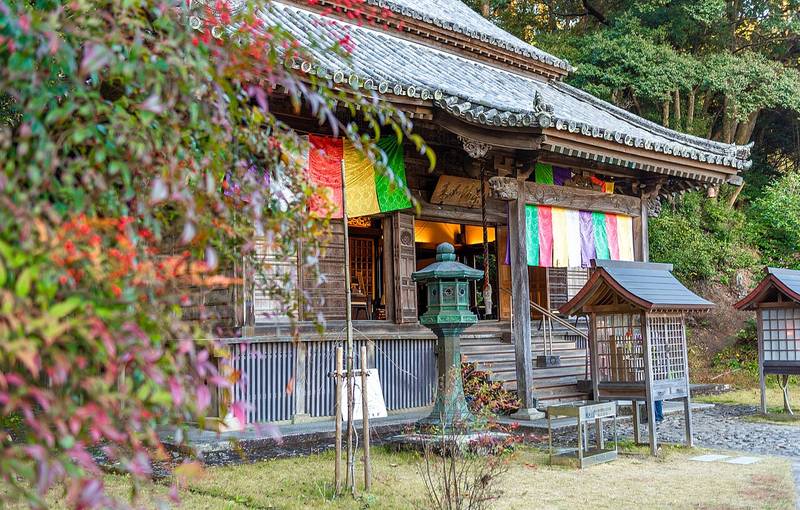
A temple in Shinno Town, Anan City, belonging to the Kōya-san Shingon-shū sect. The principal image is Yakushi Nyorai. According to temple tradition, it was founded by Kobo Daishi, and the mountain name originates from 'Shirimizu' (white water), where milky white water sprang forth when he dug in search of water for ascetic practice. That sacred water still flows today as 'Kōbō no Reisui' (Kobo's sacred water), and one ascends the 'Yakusaka' (stone steps) to reach the Hondo. It is also known for the well water said to cure all ailments. Dojo of Awakening. Nokyo is issued at this temple; please confirm procedures and hours on the official website. Easily accessible within walking distance of JR Shinno Station.
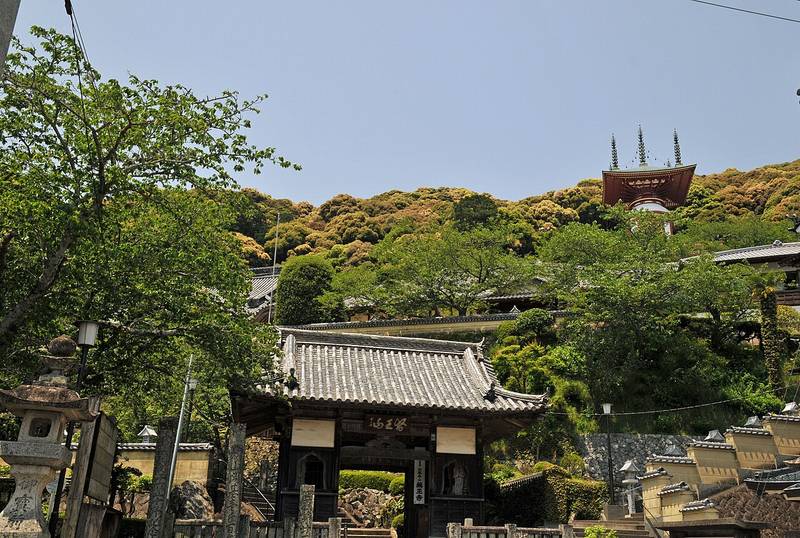
A special head temple of the Koyasan Shingon sect in Hiwasa, Minami Town, and the last temple in Tokushima. The principal image is Yakushi Nyorai for warding off evil. According to temple tradition, it was founded by Gyoki, and Kobo Daishi is said to have carved the Yakushi statue while praying for the warding off of his own bad luck at the age of 42, and it is famous nationwide as a temple for warding off evil. Pilgrims climb the stone steps of 33 for women's bad luck, 42 for men's bad luck, and 61 for the 60th birthday, and the Yugito pagoda soars on the hilltop. A place of spiritual awakening. Temple seals are awarded at this temple; please confirm procedure and hours officially. About a 10-minute walk from JR Hiwasa Station.
2. Tosa - Dojo of Austerity (Kochi)
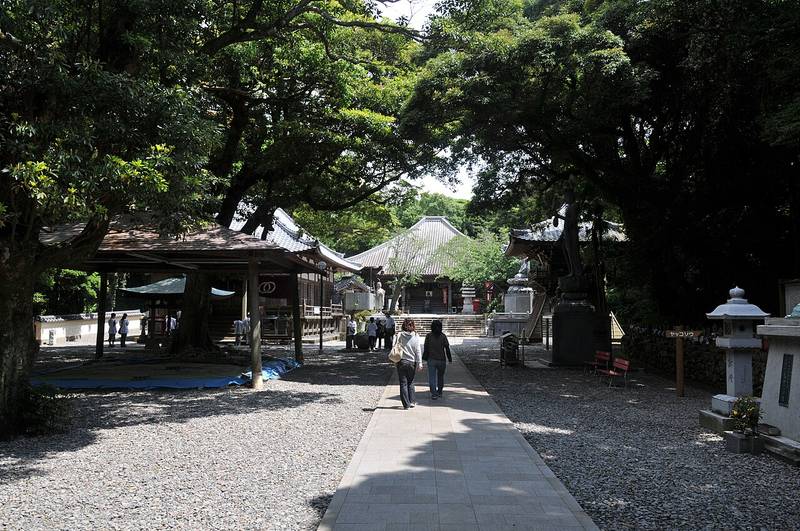
The first temple of the Tosa/Training Path, a Shingon Buzan sect temple located on a hill at Muroto Cape. The principal image is Kokuzo Bosatsu (hidden image). It is a sacred site where Kobo Daishi in his youth is said to have practiced the Kokuzo Gumonji-ho in the Mikurihito-iwa cave near the cape, and it is said that he built a hall here overlooking the sea after returning from Tang China. It is called 'Higashi-dera' (East Temple) in contrast to the 26th temple, Kongochoji (Nishi-dera). It houses Buddhist statues designated as National Important Cultural Properties, such as the stone statue of Nyoirin Kannon in half-lotus position. Sutra copies are provided at this office; hours are to be confirmed officially.
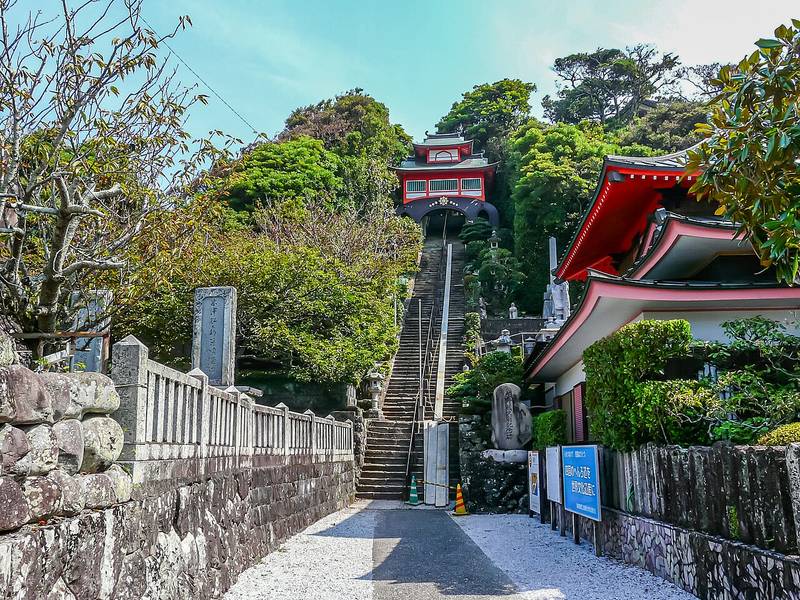
A temple of the Buzan sect of Shingon Buddhism in Muroto, Muroto City, locally called "Tsudera." The principal image is Kaji-tori Enmei Jizo Bosatsu. According to temple tradition, it was founded in Daido 2 (807) by Kobo Daishi, who prayed for maritime safety and a bountiful catch. Legend has it that when Yamanouchi Kazutoyo was nearly shipwrecked off the coast of Muroto, a Jizo in the guise of a monk appeared and took the helm to save him, hence it is called "Kaji-tori Jizo" and is still worshipped by fishermen. It is a place of spiritual training. Stone steps lead to the main hall. Noken is issued at this temple; please confirm the hours officially. Located around Cape Muroto.
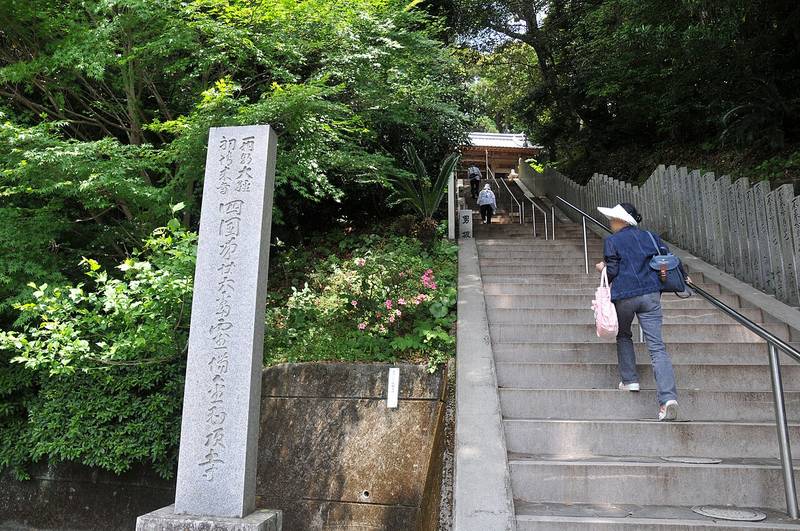
A temple of the Buzan sect of Shingon Buddhism located on a hill overlooking Gyodo Cape in Muroto City. It is called the "West Temple" in contrast to the 24th temple, Saiosakiji (East Temple). The principal image is Yakushi Nyorai. According to temple tradition, it was founded in Daido 2 (807) by Kobo Daishi by imperial decree of Emperor Heijo. Next to the Daishido is the "Ichiryū Manbai no Kama" (Kettle of Ten Thousandfold Increase from a Single Grain), where legend says the rice Kobo Daishi cooked multiplied manifold. It is a place of spiritual training. Noken is issued at this temple; please confirm procedures and hours officially. A road leads to the temple grounds, but pilgrims on foot must ascend the approach path.
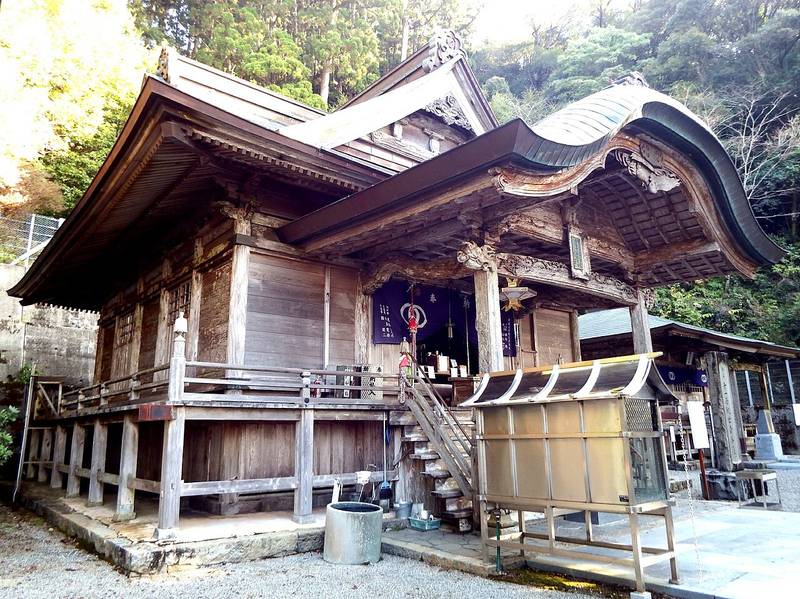
Located in the middle of Mt. Kannon, about 570m above sea level, in Yasuda Town. It is a Shingon sect temple and a pilgrimage site, known as a difficult pass in Tosa. The principal image is Eleven-faced Kannon Bodhisattva. According to temple tradition, Gyoki carved the principal image and founded the temple, and later Kobo Daishi established the temple buildings. The adjacent Kannon Shrine is a remnant of the former syncretism of Buddhism and Shinto. The steep slope in front of the temple gate is a rugged climb called 'Mattate' and is a trial for pilgrims. It is a place of spiritual training. Temple seals are awarded at this temple; please confirm the procedure and hours officially. There is also a road, but it is narrow and steep, so drive with caution.
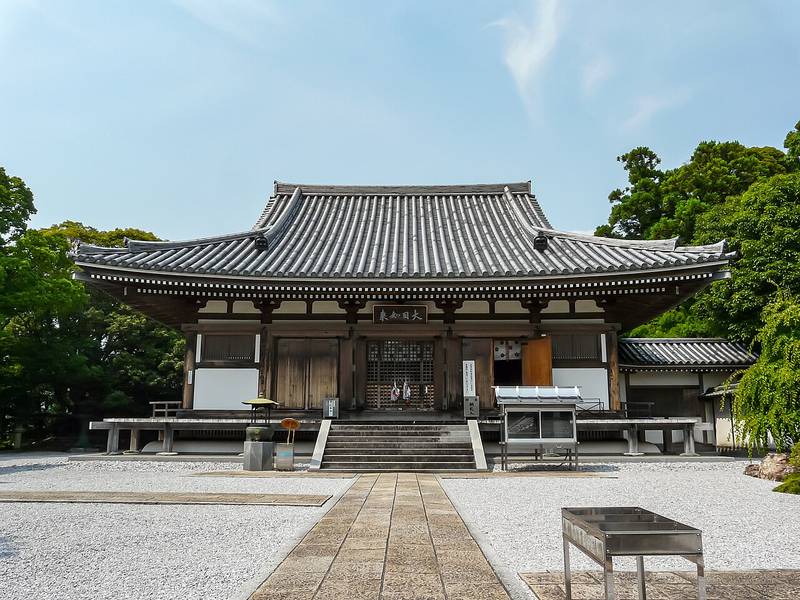
A temple of the Chisan sect of Shingon Buddhism in Noichi Town, Konan City. The principal image is Kongo-kai Dainichi Nyorai. According to temple tradition, it was founded by Gyoki by imperial order of Emperor Shomu, who carved Dainichi Nyorai. The wooden seated statue of Dainichi Nyorai and the wooden standing statue of Sho Kannon as attendants are Important Cultural Properties of Japan (enshrined in the treasure hall). The 'Tsumehori Yakushi' in the inner sanctuary is said to have been carved with claws by Kobo Daishi on a large camphor tree and is worshipped for its efficacy against diseases of the head and neck. A place of spiritual training. Note: This is a different temple from the 29th Kokubun-ji Temple; avoid confusion. Temple seals are awarded at this temple; please confirm hours officially.
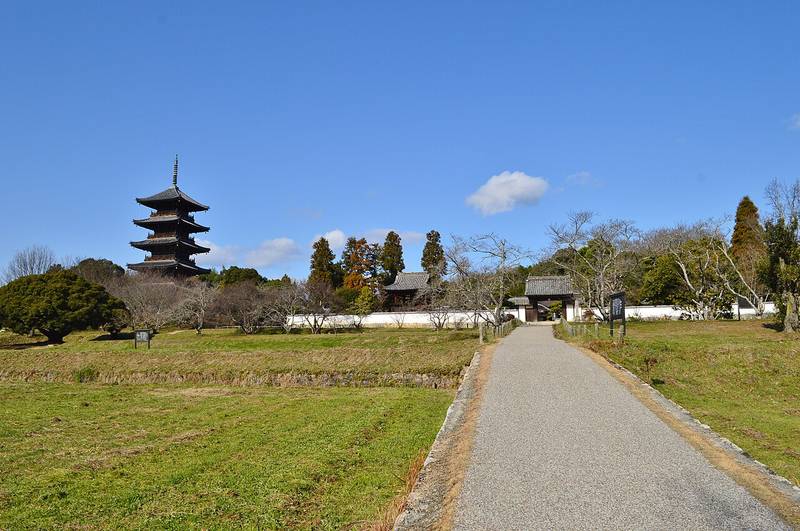
Tosa Kokubunji, a Shingon Chizan sect temple in Kokubu, Nan'yo City. The principal image is the Thousand-armed Kannon Bodhisattva. It follows the lineage of the Kokubunji temples built by imperial decree of Emperor Shomu in Tenpyo 13 (741), and it is said that Kobo Daishi visited later. The entire temple grounds are a National Historic Site, and the main hall (Kondo) is a National Important Cultural Property. It is located near the provincial government of Tosa, where Ki no Tsurayuki, the author of 'Tosa Nikki', stayed as provincial governor, making it a place associated with literature. The Training Path. Note: Do not confuse with Temple No. 69 or the temple of the same name in Tokushima. Sutra copies are provided at this office; hours are to be confirmed officially. A tranquil temple ground.
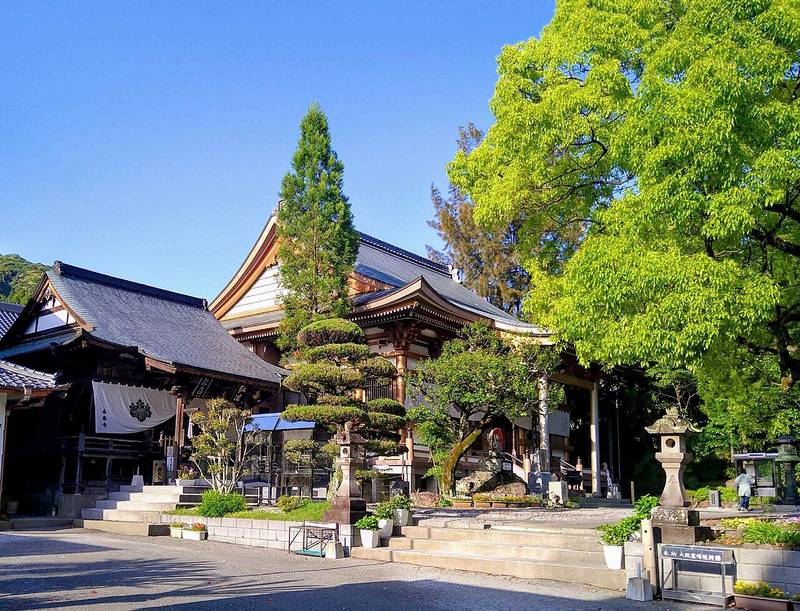
A temple of the Buzan sect of Shingon Buddhism in Ichinomiya, Kochi City, adjacent to Tosa Ichinomiya (Tosa Shrine). The principal image is Amida Nyorai. According to temple tradition, it was founded in the Daido era by Kobo Daishi as a別当寺 (betto-ji, administrative temple) of Ichinomiya. It was once abolished due to the separation of Buddhism and Shinto in the Meiji era, and the pilgrimage temple status was transferred to Anrakuji and Kokubunji, but it was settled in 1994 with Zenrakuji as the 30th temple and Anrakuji as the inner sanctuary. Within the grounds, there is a plum-viewing Jizo said to have miraculous powers for ailments of the head and above. It is a place of spiritual training. Noken is issued at this temple; please confirm the hours officially.
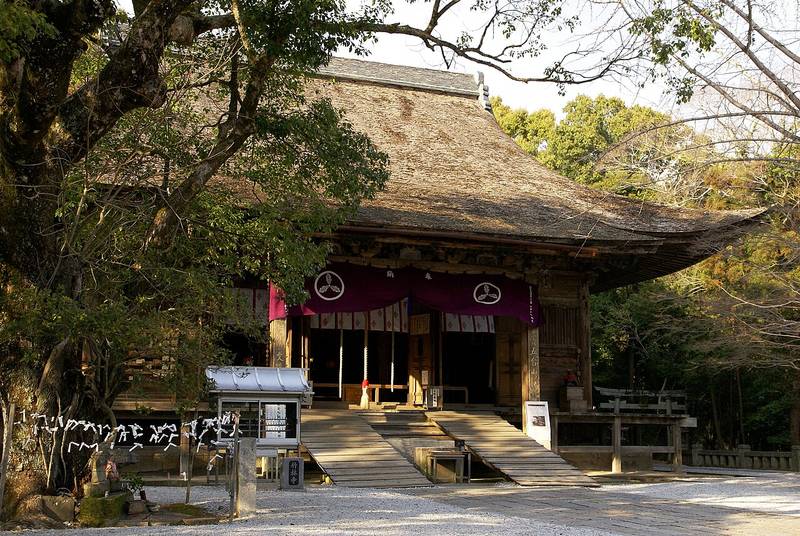
A temple in Tosa, a place of spiritual training. The principal image is Monju Bosatsu, and it is the only temple in the Shikoku pilgrimage to enshrine Monju Bosatsu, making it a beloved temple of learning and wisdom. According to tradition, it was founded by Gyoki by imperial decree of Emperor Shomu, modeled after Mt. Wutai in China, and later revived by Kobo Daishi. The main hall and Daishido are located on Mt. Godai, and the scenic garden and the Buddhist statues in the treasure hall are also highlights. Noken is issued at each temple; please confirm official information for procedures and reception hours. Located on Mt. Godai, southeast of Kochi City, it is accessible by car and bus.
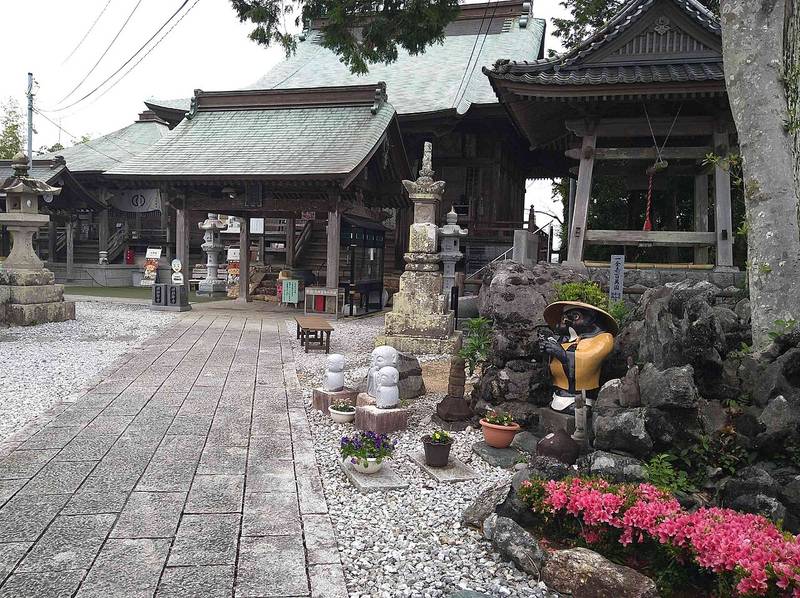
A pilgrimage site in Tosa, a place of spiritual training. The principal image is Eleven-faced Kannon Bodhisattva, which is said to have been carved by Kobo Daishi while praying for the safety of the sea off Tosa, and has been worshipped by fishermen as 'Funatama Kannon'. According to temple tradition, it was founded by Gyoki by imperial order of Emperor Shomu. The main hall and Daishi Hall stand on the peak overlooking Tosa Bay, and the view from the precincts with its strange rock formations is well-known. Temple seals are awarded at each temple; please check the official information for procedures and reception hours. Located on a hill along the coast in Nanokoku City, it is easy to visit along with the 31st and 33rd temples.
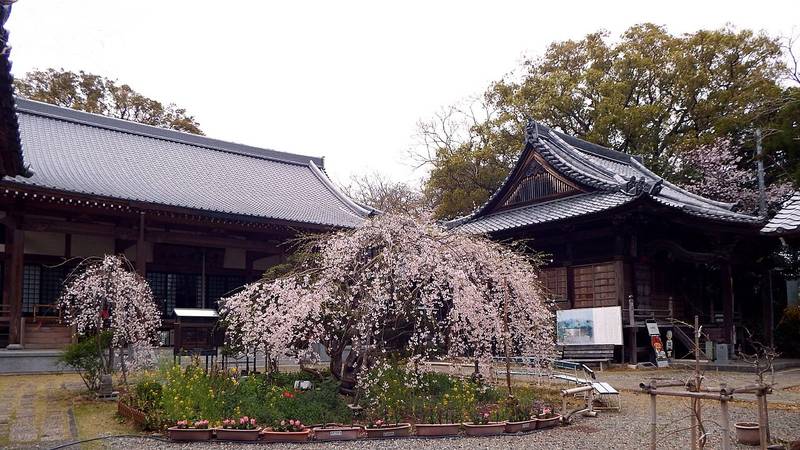
A pilgrimage site in Tosa, a place of spiritual training. The principal image is Yakushi Nyorai. It is said to have been founded by Kobo Daishi and was originally of the Shingon sect. However, during the Sengoku period, it was revived with the support of the Tosa lord Chosokabe Motochika and changed to the Rinzai sect, becoming the family temple of the Chosokabe clan. It was named Sekkei-ji after Motochika's posthumous Buddhist name. It houses a group of Buddhist statues said to be the work of Unkei and Tankei's school, and is known for its cultural properties. Temple seals are awarded at each temple; please check the official information for procedures and reception hours. Located in Nagahama in southern Kochi City, it is easily accessible by car from the city center.
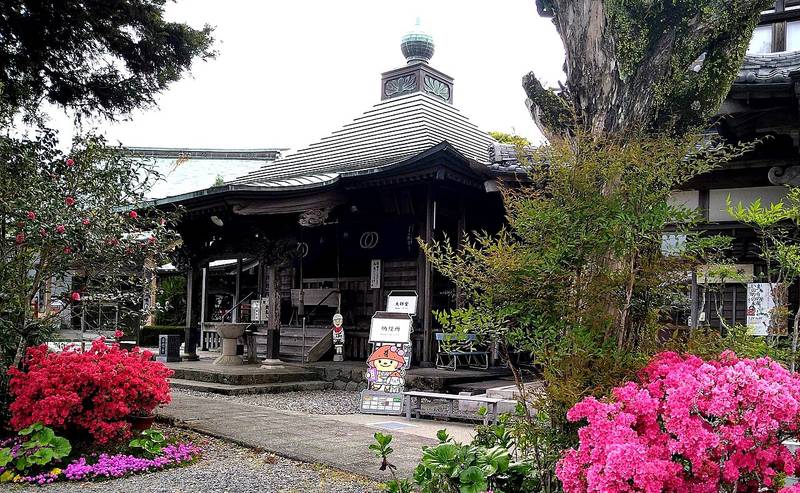
A temple on the Tosa/Training Path. The principal image is Yakushi Nyorai, an ancient statue said to have been carved by a craftsman from Baekje praying for maritime safety, and it is worshipped as the Yakushi of safe childbirth. It is said that Kobo Daishi visited in the Konin era, enshrined the principal image, and sowed five grains brought from Tang China in the temple grounds, which is the origin of the temple name. The main hall and Daishido stand in a quiet rural setting. Sutra copies are provided at each temple; please check official information for procedures and reception hours. Located on a plain in Haruno-cho, Kochi City, it is easy to visit by car.
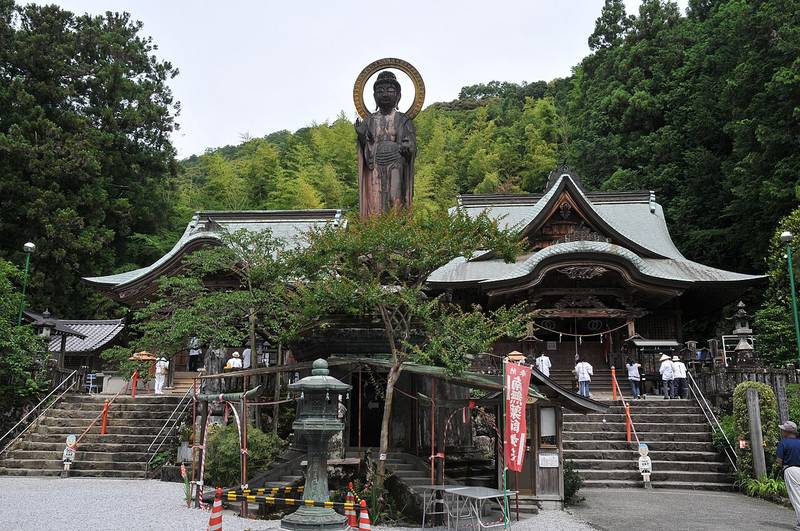
A temple in Tosa, a place of spiritual training. The principal image is Yakushi Nyorai, and it is known as a temple for warding off evil. According to temple tradition, it was founded by Gyoki who carved the Yakushi Nyorai, and later Kobo Daishi practiced here. In front of the main hall stands a Yakushi Nyorai statue approximately 12m high, and one can pray for warding off evil by passing through its body. Located on a mountainside, the approach is steep even for those traveling by car. Noken is issued at each temple; please confirm official information for procedures and reception hours. Located in the mountains of Tosa City, it is reached by ascending a steep slope from the foot of the mountain.
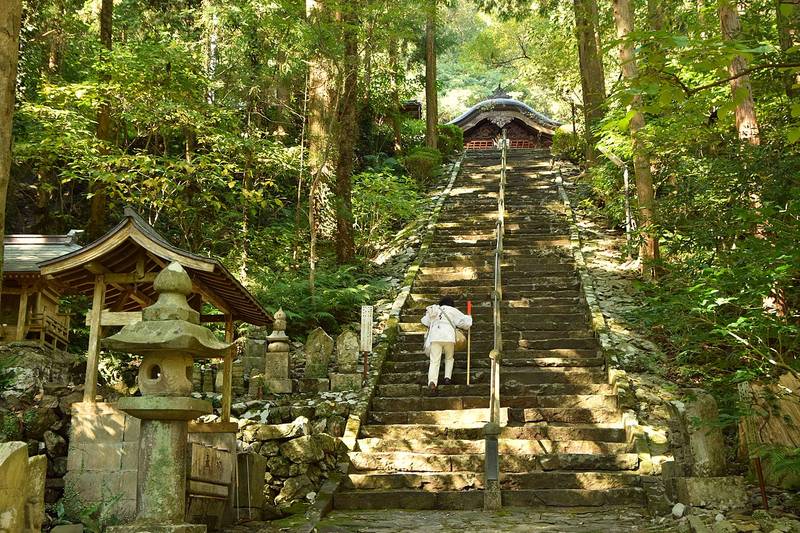
A temple in Tosa, a place of spiritual training. The principal image is Namikiri Fudo Myoo, named after a legend that it saved Kobo Daishi's ship from a storm on his voyage to Tang China. According to temple tradition, it was founded by Kobo Daishi in the Kōnin era, and the temple name is said to be derived from Seiryuji in Chang'an, where Kobo Daishi's teacher, Keika, studied. The steep stone steps leading to the main hall are also known to have been used for training by a former sumo grand champion. Noken is issued at each temple; please confirm official information for procedures and reception hours. Located in the coastal village of Usa, Tosa City, one ascends stone steps from the village to worship.
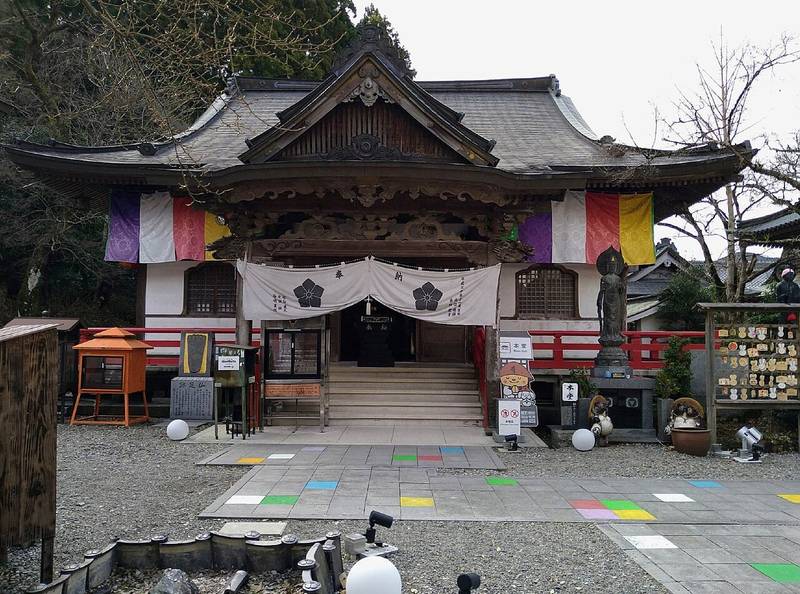
A pilgrimage site in Tosa, a place of spiritual training. It is a rare temple with five principal images: Fudo Myoo, Kannon Bodhisattva, Amida Nyorai, Yakushi Nyorai, and Jizo Bosatsu. It is said to have been founded by Gyoki during the Tenpyo era, and later Kobo Daishi enshrined the five Buddhas. The ceiling of the main hall is decorated with numerous paintings of flowers, birds, and people from all over the country, and is also known for its modern and unique atmosphere. Temple seals are awarded at each temple; please check the official information for procedures and reception hours. Located in the town of Kubokawa, Shimanto Town, it is easily accessible by both train and car.
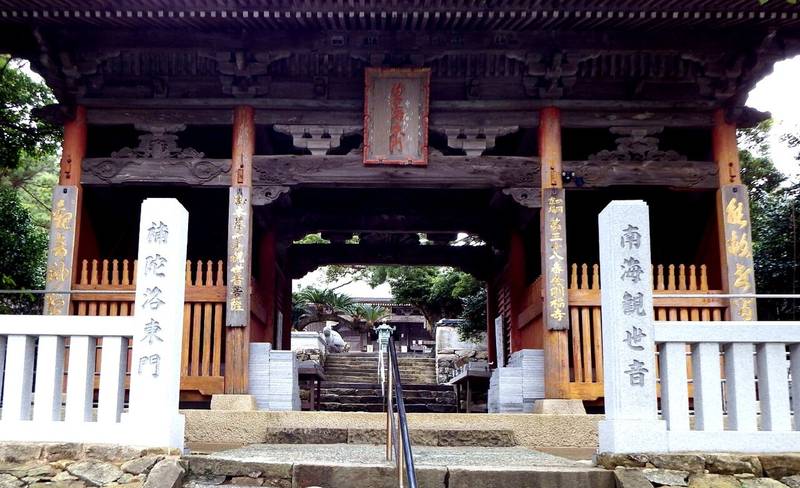
A pilgrimage site in Tosa, a place of spiritual training, located at Ashizuri Cape, the southernmost point of Shikoku. The principal image is Sanmen Senju Kannon Bodhisattva. It is said to have been founded by Kobo Daishi in the Konin era by imperial order of Emperor Saga, who sensed the Pure Land of Kannon, Potalaka, in the Pacific Ocean. It is a difficult pilgrimage route, with the longest distance between temples exceeding 80 km from the preceding 37th temple. The spacious precincts and the superb view from the cape are also highlights. Temple seals are awarded at each temple; please check the official information for procedures and reception hours. Located at Ashizuri Cape in Tosashimizu City, it is reached after a long journey.
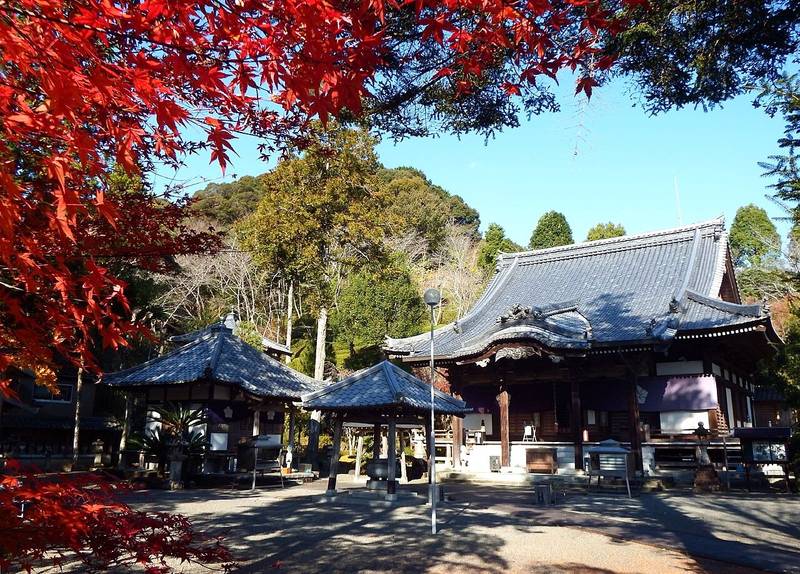
The last temple on the Tosa/Training Path. The principal image is Yakushi Nyorai. According to temple tradition, it was founded by Gyoki and later rebuilt by Kobo Daishi. The legend that a red turtle in the temple grounds carried a bronze bell back from the Dragon Palace is said to be the origin of the temple name. The bronze bell, dated Engi 11 (911), is the oldest in Tosa and is designated as a National Important Cultural Property. In addition to the main hall and Daishido, the stone statue of the red turtle is also popular. Sutra copies are provided at each temple; please check official information for procedures and reception hours. Located on a plain in Sukumo City, it is easy to visit by car.
3. Iyo - Dojo of Enlightenment (Ehime)
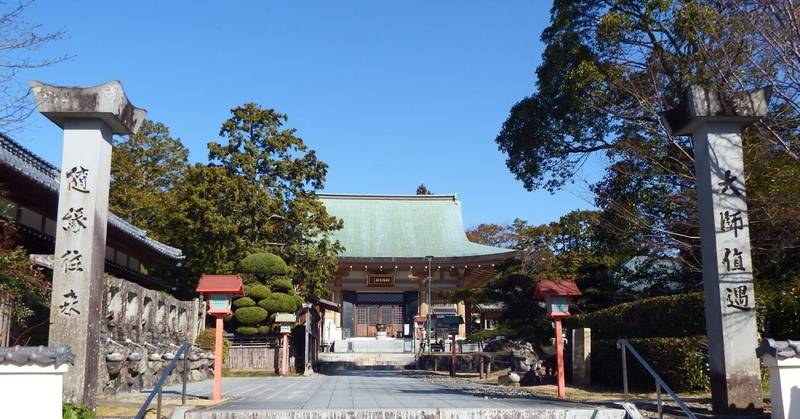
The first temple in Iyo, a place of enlightenment (Daikaku-ji sect of Shingon Buddhism). The principal image is Yakushi Nyorai. According to temple tradition, Kobo Daishi visited this place in Daido 2 (807) by imperial decree of Emperor Heijo, carved the principal image from a single tree, and founded the temple. Because it is located farthest from the first temple, it is called the "back gate" of the Shikoku pilgrimage. The main hall and Daishido are located in the city. Noken is issued at each temple; please confirm official information for procedures and reception hours. Located in Nanjo Town, the southernmost part of Ehime Prefecture, it is situated after a long journey from the Ashizuri area.
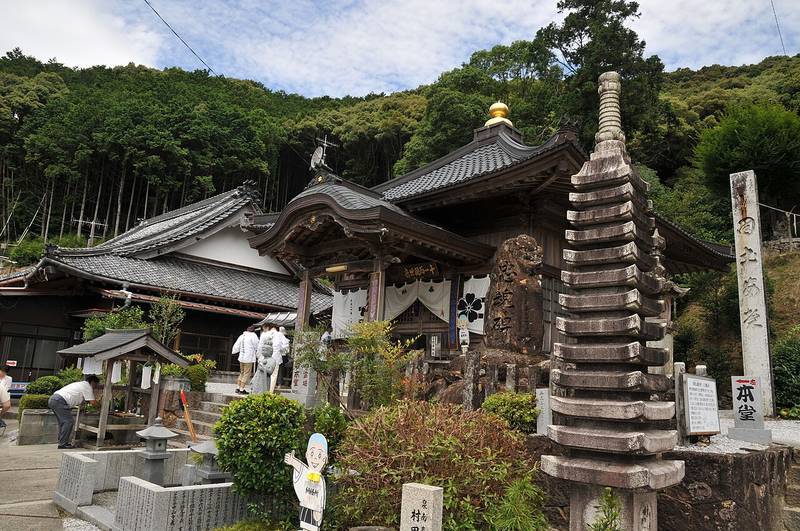
A temple of the Bodai-no-Dojo in Iyo. The principal image is Kannon Bodhisattva with Eleven Faces. According to temple tradition, it originated when Kobo Daishi met an old man holding a stalk of rice (god of the five grains) in this place and carved and enshrined a statue of Inari, and it is affectionately known as 'Mima no Inarisama'. It retains strong traces of the syncretism of Shinto and Buddhism, and its characteristic feature is that the Sanmon gate is a Torii gate. The main hall and Daishido hall are built on the mountainside. Each temple provides Nōkyō (goshuin), so please check the official information for the procedure and reception hours. Located in the rural area of Mima, Uwajima City, it is easy to visit in conjunction with the adjacent No. 42.
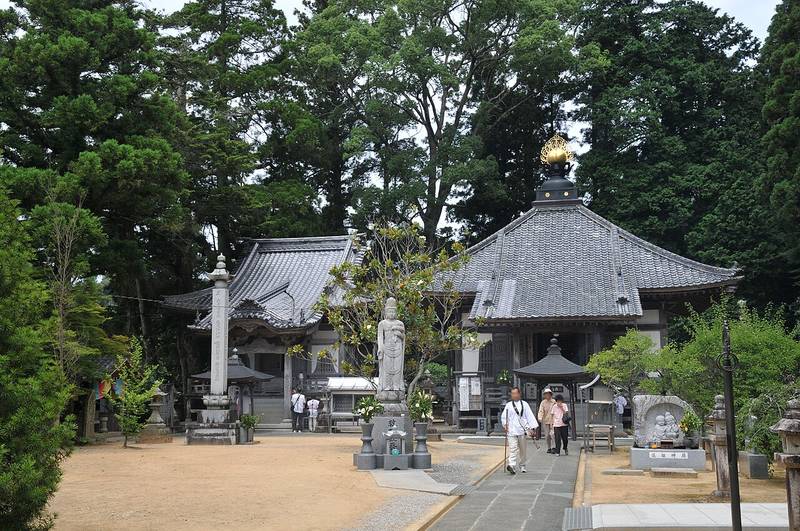
A pilgrimage site in Iyo, a place of enlightenment. The principal image is Dainichi Nyorai. According to temple tradition, Kobo Daishi was guided by an old man with a cow, found a wish-fulfilling jewel hanging from a large camphor tree, sensed the sacredness of the place, and carved the principal image from the camphor tree to found the temple. It is worshipped as a guardian deity of livestock, and there is a livestock hall in the precincts praying for the safety of cattle and horses, with many straw sandals and ema votive tablets dedicated. The thatched-roof bell tower and other charming temple buildings are also highlights. Temple seals are awarded at each temple; please check the official information for procedures and reception hours. Located in Mimacho, Uwajima City, it is close to the 41st temple.
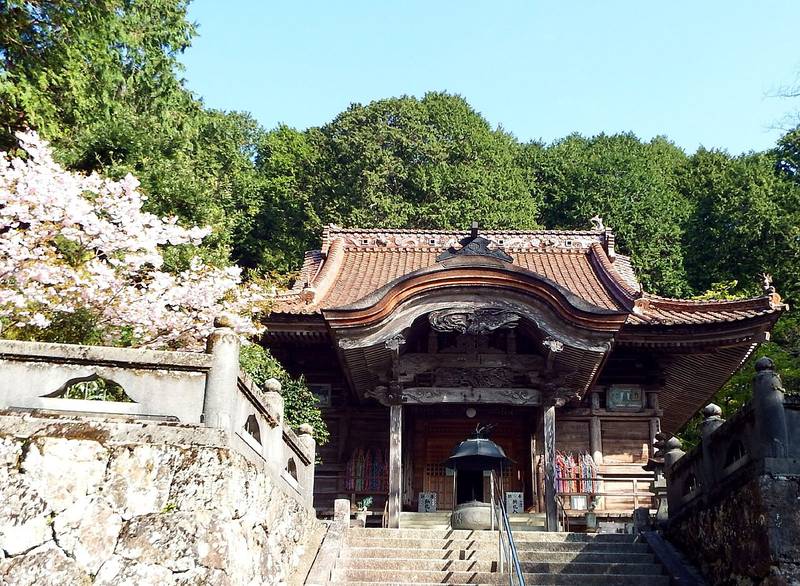
A pilgrimage site in Iyo, a place of enlightenment. The principal image is Senju Kannon Bodhisattva. It is an ancient temple said to date back to around the 6th century, and Kobo Daishi is said to have visited and rebuilt the various halls around 822. It is said that in 1194, Minamoto no Yoritomo donated an Amida Nyorai statue and changed the mountain name to Genkozan. The main hall, which resembles a castle, and the Niomon Gate, along with other imposing temple buildings, stand surrounded by trees, and it is affectionately called 'Ageishi-san'. Temple seals are awarded at each temple; please check the official information for procedures and reception hours. Located in the mountainous area of Uwacho, Seiyo City.
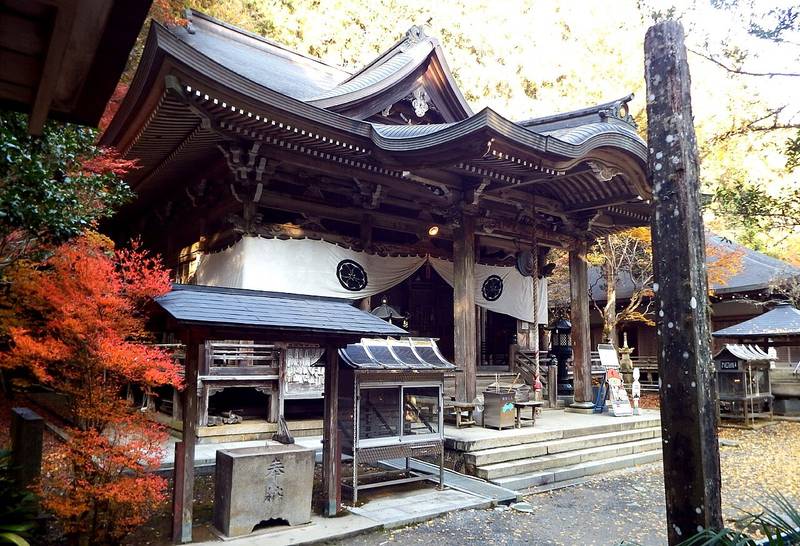
A temple on the Iyo/Bodhi Path, located around the midpoint of the 88 temples, known as the 'middle temple' where pilgrims turn back. The principal image is the Eleven-faced Kannon Bodhisattva. According to temple tradition, it was founded in the Taiho era (701 AD), which is the origin of the temple name, and Kobo Daishi later designated it as the middle temple of the sacred sites. Located in the mountains at an altitude of about 580m, it has a solemn atmosphere surrounded by giant cedar trees. In addition to the main hall and Daishido, the cedar avenue along the approach is also a highlight. Sutra copies are provided at each temple; please check official information for procedures and reception hours. Located near the center of Kumakogen Town.
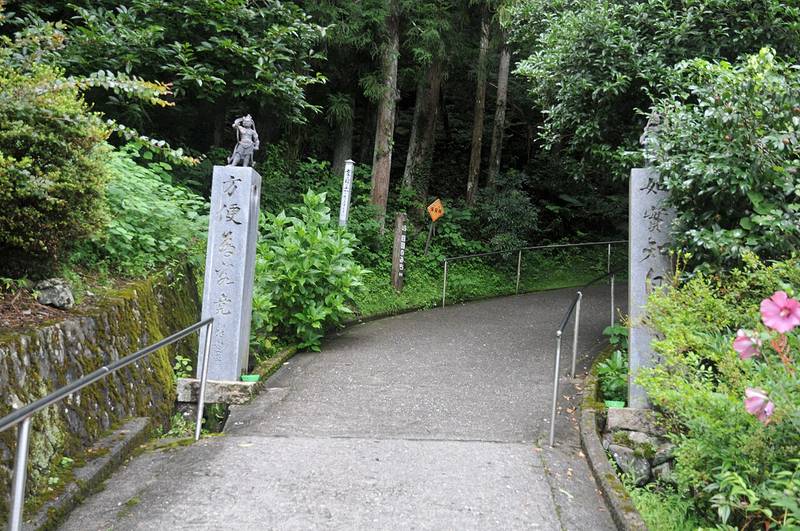
One of the foremost mountain temples in Iyo, a place of spiritual training, known as a difficult route for pilgrims. The principal image is Fudo Myoo. According to temple tradition, this is a rare temple where Kobo Daishi received the mountain from Hokke Sennin, carved wooden and stone Fudo Myoo statues, and made the mountain itself the principal image. The temple grounds, surrounded by towering conglomerate rock cliffs and primeval forests, are designated as a National Place of Scenic Beauty, and the Daishido is a National Important Cultural Property. It takes about 20 minutes to ascend the steep slope from the entrance of the approach to the temple grounds. Noken is issued at each temple; please confirm official information for procedures and reception hours. Located in the deep mountains of Kumakogen Town.
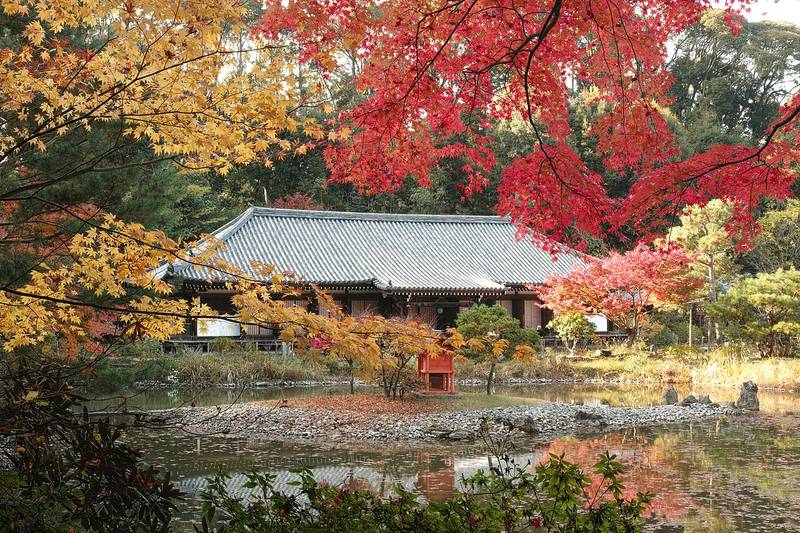
The first temple of the Bodai-no-Dojo in Iyo. The principal image is Yakushi Nyorai. It is said to have been founded by Gyoki in Wa-do 1 (708) and rebuilt by Kobo Daishi in Dai-do 2 (807). Within the temple grounds, Busshōseki (Buddha's footprint stone), Busshuseki (Buddha's hand stone), Seppōseki (sermon stone), etc., are arranged, and the sight of the ancient cypress, a natural monument of Matsuyama City, said to be thousands of years old, is a highlight. Nōkyō is provided at the main temple (please confirm official information for procedure and reception hours). Accessible from Matsuyama City suburbs, such as the Joruri-ji Temple bus stop on the Iyo Railway Bus.
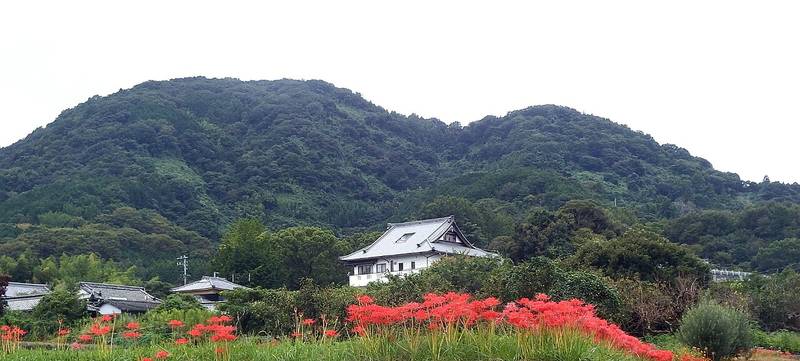
The principal image is Amida Nyorai (a hidden Buddha). It is an ancient temple said to have been founded by En no Gyoja Koshikaku, the founder of Shugendo, and the temple name is said to derive from the story of cutting open eight slopes and the word 'iyasaka' (meaning 'prosper'). Between the main hall and the Daishi Hall is the Enma-do, which depicts paradise and hell, and underground, numerous Amida Buddhas are enshrined. It is close to the 46th temple, Joruri-ji Temple, within walking distance. Temple seals are awarded at this temple (please confirm procedure and reception hours officially).
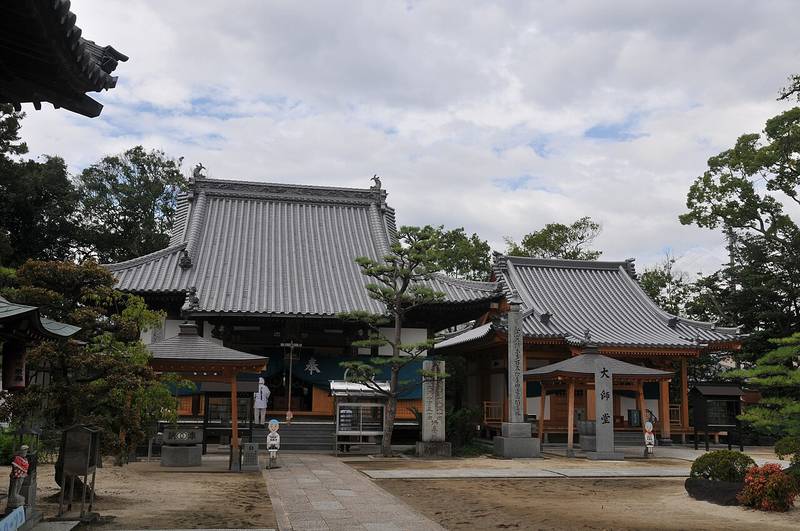
The principal image is the Eleven-faced Kannon Bodhisattva (hidden image). It is said to have been founded by Gyoki in Tenpyo 13 (741), and Kobo Daishi rebuilt the temple at the current location with the provincial governor in Daido 2 (807). The main hall was rebuilt in the mid-Edo period. The Tsue no Fuchi, considered the inner sanctuary, is a spring associated with Kobo Daishi and is counted among the 100 Famous Waters of Japan. Sutra copies are provided at the main office (please confirm procedure and reception hours officially). Located in Takai-cho, Matsuyama City.
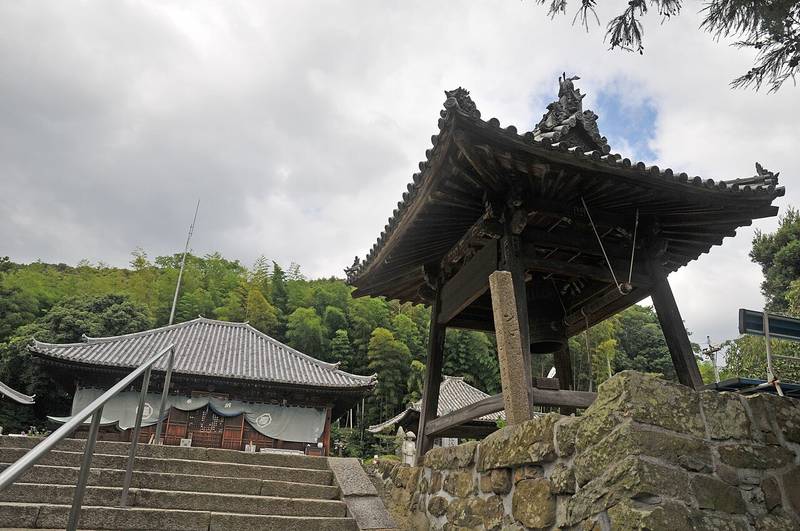
The principal image is Shaka Nyorai. Founded in the Tenpyo Shoho era, it is a temple associated with Saint Kuya, known for his Odori Nenbutsu (dancing Buddhist chant), who stayed in this area. The statue of Saint Kuya (a statue from which six small Buddhas emerge from the mouth) is a National Important Cultural Property, and the main hall, rebuilt in the Muromachi period, is also a National Important Cultural Property. Examples of Kuya statues are very few, including this temple and Rokuharamitsu-ji in Kyoto. Sutra copies are provided at the main office (please confirm procedure and reception hours officially). Located in Takako-cho, Matsuyama City.
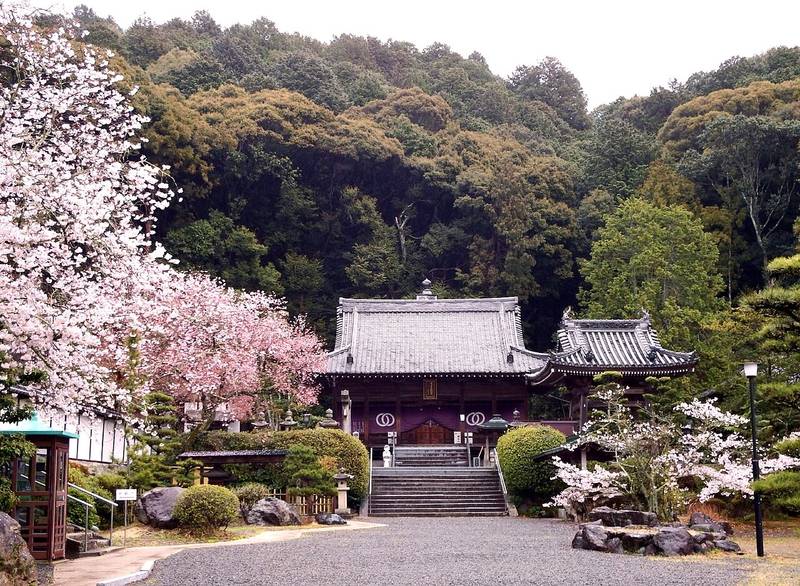
The principal image is Yakushi Nyorai. It is said to have been founded by Gyoki during the Tenpyo Shoho era. Located halfway up Mt. Awadake, overlooking Matsuyama City, it offers a charming view of Matsuyama Castle and the Seto Inland Sea. The area around the temple grounds is a landscape forest protection area and a famous spot for cherry blossoms, wisteria, and autumn foliage. The Shōtendō, which enshrines Kankiten, said to be Tokugawa Ietsuna's personal Buddha, is a must-see. Noken is issued at this temple (please confirm procedures and reception hours officially). Located in Hatadera Town, Matsuyama City.

A representative ancient temple of Iyo, located near Dogo Onsen. The principal image is Yakushi Nyorai. It is said to have been founded by Gyoki and changed to Shingon Buddhism by Kobo Daishi during the Konin era. The Niomon gate, built in Bunpo 2 (1318), is designated a National Treasure and is known for its imposing two-story structure with three intercolumnar spaces. It is also famous as a temple associated with the legend of Emon Saburo. Nōkyō is provided at the main temple (please confirm official information for procedure and reception hours). Easy to visit in conjunction with a stroll around Dogo.
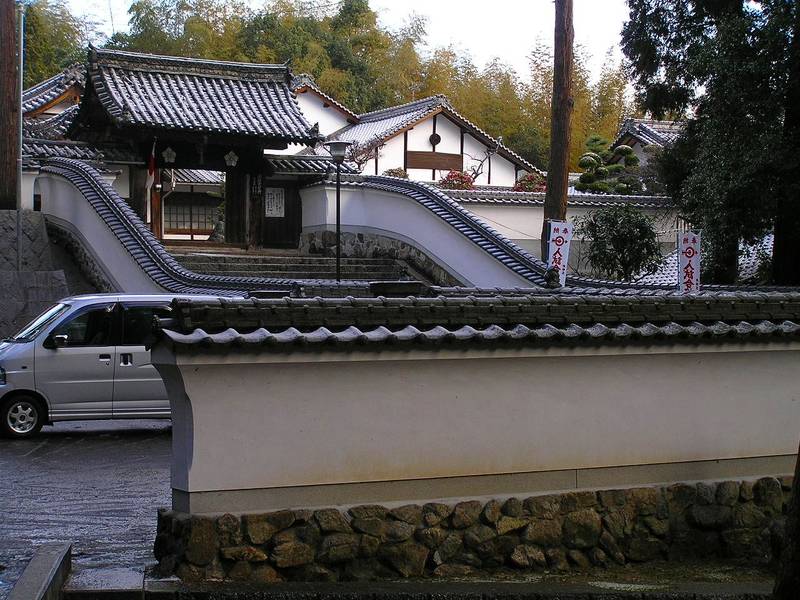
The principal image is Eleven-faced Kannon Bodhisattva. According to legend, it was built overnight by Mano Chojya, and Gyoki is said to have carved the principal image in Tenpyo 11 (739). The main hall, built in the Kamakura period, is a large-scale building that combines Japanese, Chinese, and Indian styles, and was designated a National Treasure in Showa 31 (1956). It boasts one of the largest scales as a main hall of Shingon Esoteric Buddhism. Temple seals are awarded at this temple (please confirm procedure and reception hours officially). Located in Taishamae, Matsuyama City.
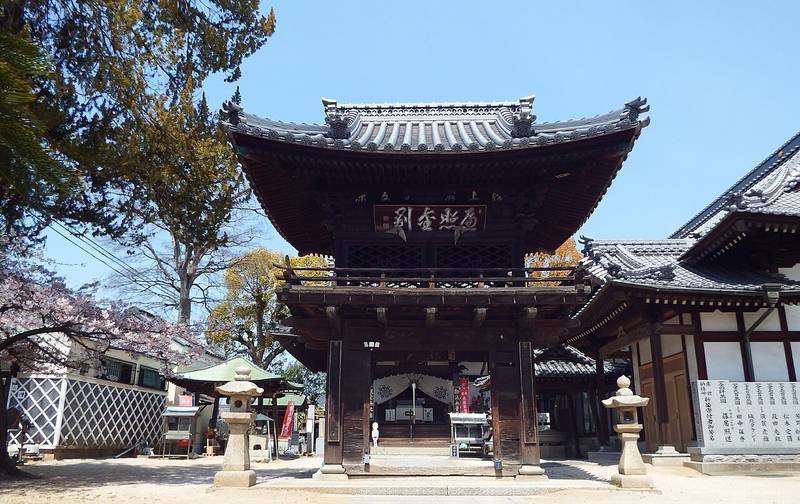
The principal image is the Amida Nyorai. It is said to have been founded by Gyoki in Tenpyo Shoho 1 (749), and after being destroyed by fire, it was moved to the current location and rebuilt by a local powerful family in Kan'ei 10 (1633). To the left rear of the Daishido, there is a Kirishitan lantern carved with a cross shape and a statue believed to be Maria Kannon, said to convey the faith of hidden Christians. Sutra copies are provided at the main office (please confirm procedure and reception hours officially). Wake-cho, Matsuyama City, near Iyowake Station.
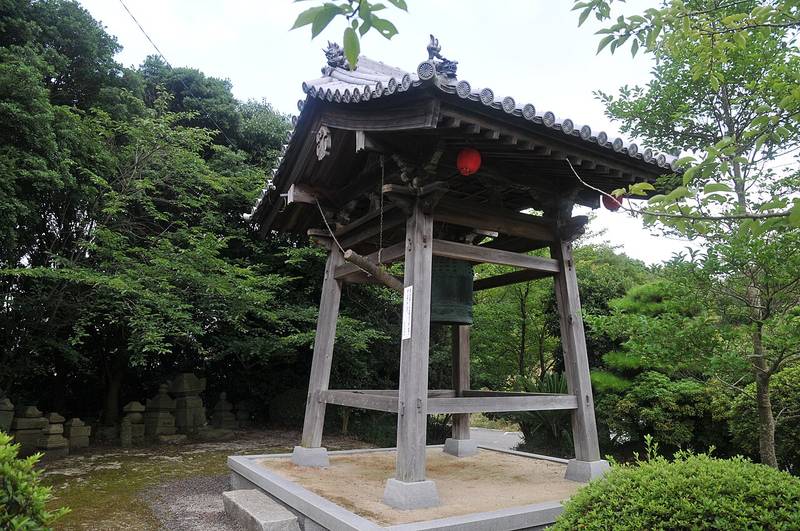
The principal image is Fudo Myoo. It is said to have been founded by Gyoki in Yoro 4 (720) and rebuilt by Kobo Daishi in the Konin era. It was formerly called Enmyoji, but the name was officially changed to Enmeiji to avoid confusion with the 53rd temple, Enmyoji. The temple gate is said to have been moved from one of the castle gates of Imabari Castle. The temple bell cast in Hoei 1 (1704) is an Imabari City Tangible Cultural Property. Sutra copies are provided at the main office (please confirm procedure and reception hours officially). Located in Agata, Imabari City.
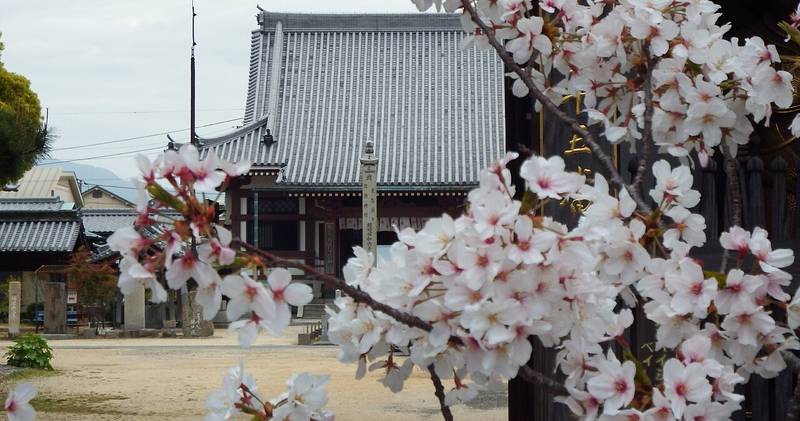
The only temple among the 88 temples that has "Bo" in its temple name. The principal image is Daitsuchi Sho Nyorai, which is also unique to this temple among the pilgrimage sites. It originated from one of the twenty-four "Bo" established to protect the Bessho Oyamazumi Shrine on Omijima Island, and the principal image was moved to Nanko-bo during the separation of Buddhism and Shinto in the Meiji era. It is located in Begu-cho, Imabari City, adjacent to the Bessho Oyamazumi Shrine. Noken is issued at this temple (please confirm procedures and reception hours officially).
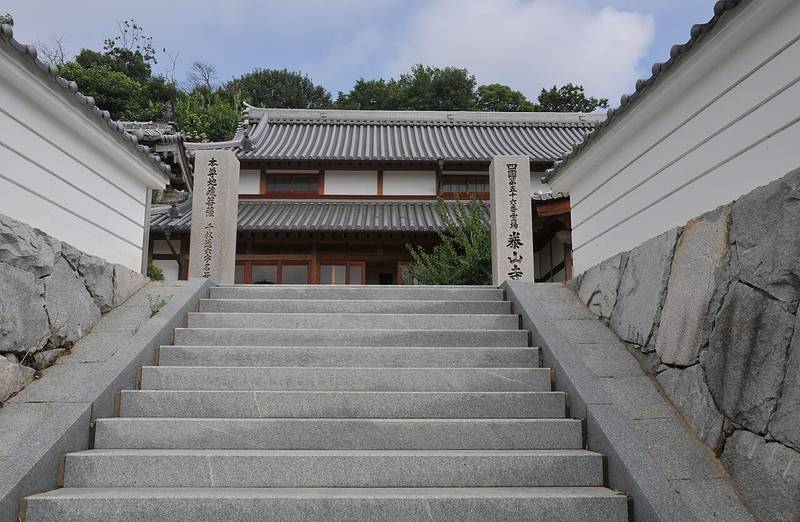
The principal image is Jizo Bodhisattva. It is said that around Konin 6 (815), Kobo Daishi, praying for the flood control of the repeatedly flooding Sōsha River, performed a secret ritual of earth and sand purification, and perceived Enmei Jizo, which he then carved as the principal image. The legend of the 'Fubōsho' (unforgettable pine) planted at the site of the ritual remains. Nōkyō is provided at the main temple (please confirm official information for procedure and reception hours). Located in a flat area of Koizumi, Imabari City, it is easy to visit.
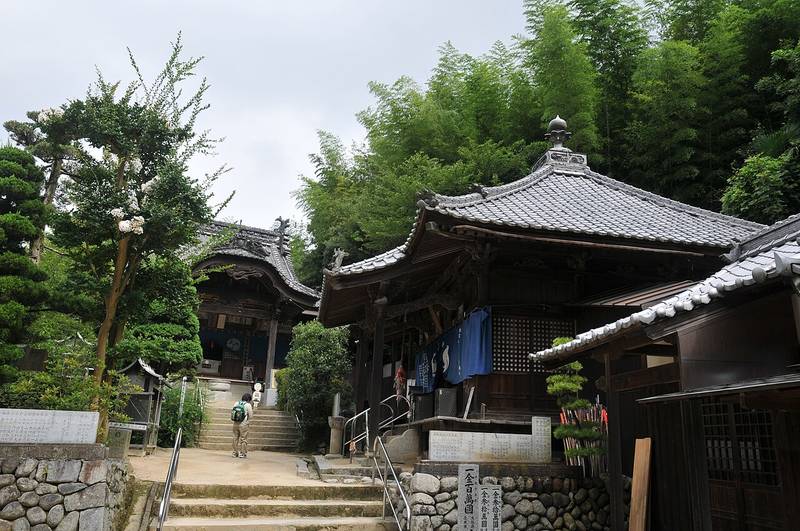
The principal image is Amida Nyorai. According to legend, during the Konin era, Kobo Daishi performed a goma ritual on Mt. Futo praying for maritime safety, and Amida Nyorai appeared from the sea, and he built a hall with this as the principal image. Since ancient times, it has been worshipped as a temple for praying for maritime and land safety and longevity. A box cart used by a boy with leg disabilities for prayer for recovery is dedicated. Temple seals are awarded at this temple (please confirm procedure and reception hours officially). Located in Tamagawa Town, Imabari City.
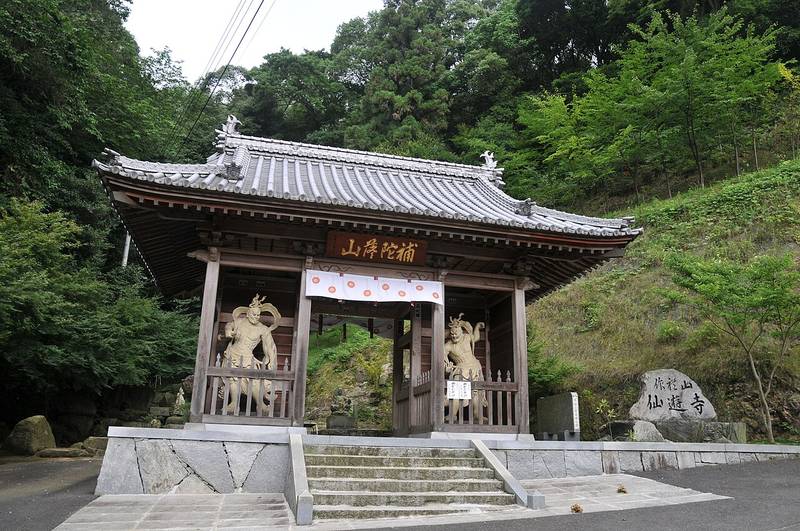
The principal image is the Thousand-armed Kannon Bodhisattva. It is said that the provincial lord of Iyo, Ochi Morio, built the temple buildings by imperial command of Emperor Tenchi. The legend that a dragon girl carved the principal image with one bow and three prostrations is said to be the origin of the mountain name 'Sakureizan', and the legend of the hermit Sen-nin meditating here remains in the temple name. Located on a mountain at an altitude of about 300m, overlooking the Seto Inland Sea. Sutra copies are provided at the main office (please confirm procedure and reception hours officially). Tamagawa-cho, Imabari City, the approach to the temple is uphill.
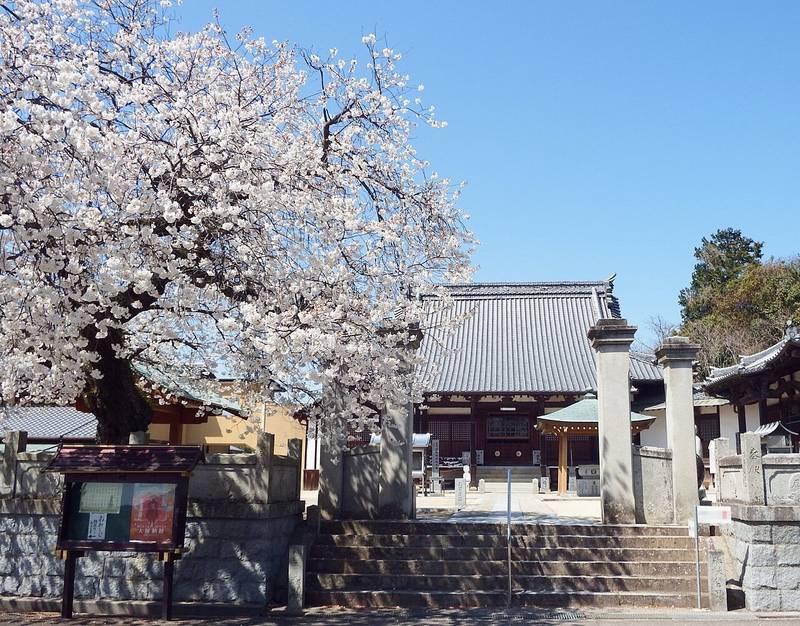
One of the Kokubunji temples built nationwide by imperial decree of Emperor Shomu, corresponding to Iyo Kokubunji (note: do not confuse with the 59th temple of the same name or temples around the 53rd/54th). It is of the Shingon Ritsu sect, with the mountain name Kinkozan Saisho-in, and the principal image is Yakushi Ruri Kō Nyorai. It is said to have been founded around Tenpyo 13 (741) and rebuilt after several wars. The foundation stones of the former pagoda site remain to the east (National Historic Site). Sutra copies are provided at the main office (please confirm procedure and reception hours officially). Located in Kokubu, Imabari City.
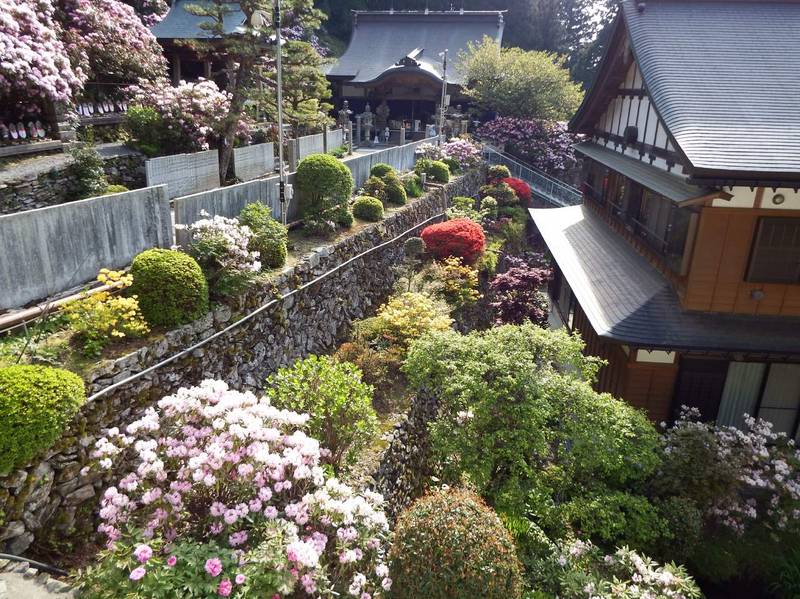
A mountain temple located at an altitude of approximately 750m on the northern foothills of the Ishizuchi mountain range, known as one of the most difficult routes of the Shikoku pilgrimage, "Henro Korogashi." The principal image is Dainichi Nyorai. Legend has it that En no Gyoja attained enlightenment of Zao Gongen at Mt. Ishizuchi, and Kobo Daishi carved Dainichi Nyorai to be the principal image. Its location is harsh, with traffic restrictions in winter. Noken is issued at this temple (please confirm procedures, reception hours, and accessibility officially). Located in Komatsu Town, Saijo City.
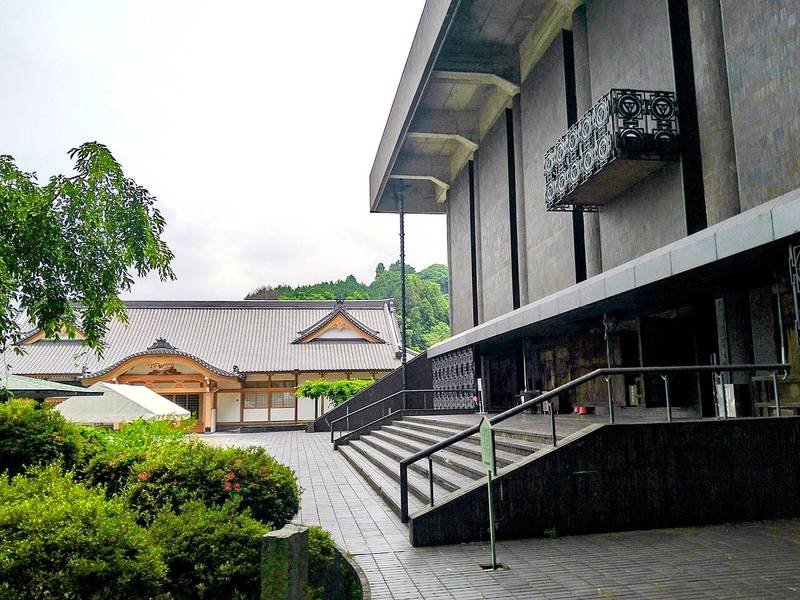
The principal image is Dainichi Nyorai. According to temple tradition, it was founded by Prince Shōtoku, and due to the legend of Kobo Daishi saving a woman in difficult childbirth through prayer and ritual, it is called 'Ko-ya Daishi' or 'Ko-ya no Kobo Daishi' and is worshipped for safe childbirth, child-rearing, and warding off evil. The Daikōdō hall is a modern large concrete building, and its characteristic feature is that it houses the main hall and Daishido hall within it. Nōkyō is provided at this temple (please confirm official information for procedure and reception hours). A few minutes by car from Iyokomatsu Station on the JR Yosan Line, and also close to the Iyokomatsu IC.

The principal image is Eleven-faced Kannon Bodhisattva. It originated as a Betsuto temple of the Ichinomiya of Iyo, founded by imperial order of Emperor Shomu, and it is said that Kobo Daishi carved an Eleven-faced Kannon statue as the principal image and changed the name to 'Hoju-ji Temple'. It is worshipped as Kannon for safe childbirth. The precincts are small for a pilgrimage temple. Temple seals are awarded at this temple (reception hours may vary, please confirm officially). It is within walking distance from JR Iyokomatsu Station through the shopping street, and conveniently located very close to Iyo-Komatsu IC.
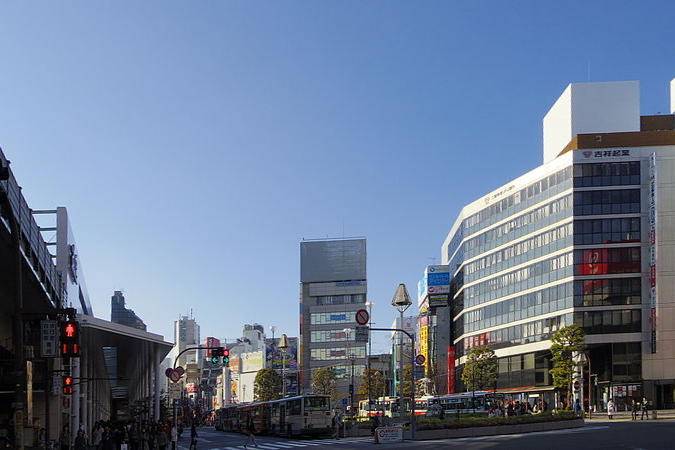
The principal image is Bishamonten, and this temple is the only one among the 88 temples of Shikoku that enshrines Bishamonten as its principal image. According to temple tradition, it originated in the Konin era when Kobo Daishi carved and enshrined Bishamonten, Kisshoten, and Zennishi Doji from a luminous sacred tree. Within the temple grounds, there is a 'Joju-ishi' stone where one can strike a hole with a stick and make a wish. Sutra copies are provided at this office (please confirm procedure and reception hours officially). Within walking distance of JR San'yo Line Iyohimi Station and Ishizuchiyama Station, easily accessible along National Route 11.
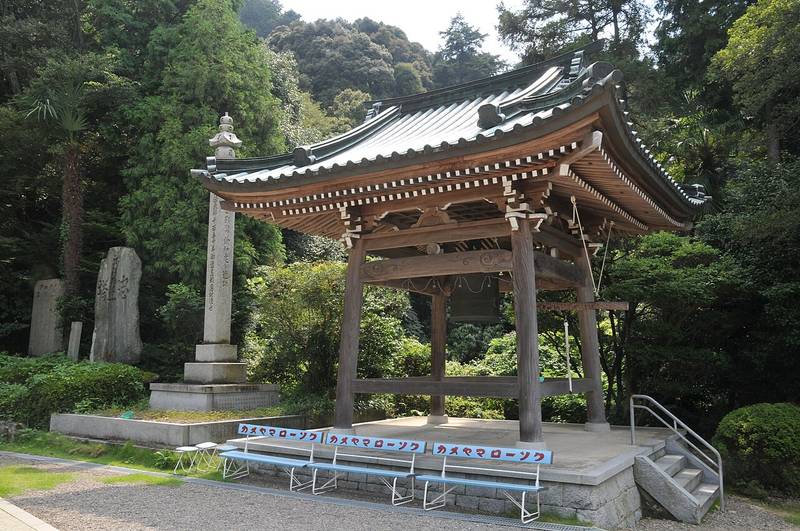
The principal image is Amida Nyorai. It is the head temple of the Ishizuchi faith (Shugendo), which regards the sacred mountain Ishizuchisan as its deity, and is said to have been founded by En no Gyōja (En no Ozunu), with a large temple ground at the foot of Mt. Ishizuchi. The solemn temple buildings, linked to mountain worship, are a highlight, and it is known as a base for visiting Mt. Ishizuchi for pilgrims. Sutra copies are provided at this office (please confirm procedure and reception hours officially). Within walking distance of JR San'yo Line Ishizuchiyama Station, and easily accessible by car from Iyosaijo IC.
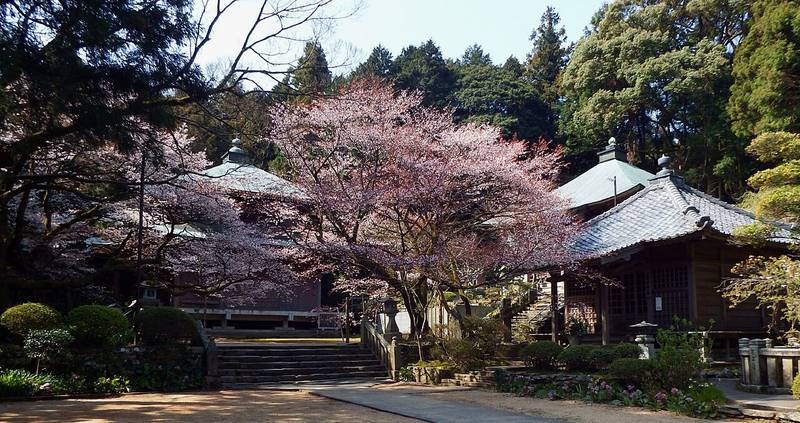
The principal image is Juichimen Kannon Bosatsu, worshipped as a Kannon for safe childbirth and warding off evil. According to temple tradition, it was founded by Gyoki, and Kobo Daishi built a triangular goma altar and performed the "secret ritual of subjugation goma," which is said to be the origin of the temple's name. It is the last temple in Iyo and is known as a difficult mountain route with steep stone steps leading to the main hall. Noken is issued at this temple (please confirm procedures and reception hours officially). Accessible by car from Mishima Kawanoe IC on the Matsuyama Expressway; the approach to the main hall requires walking uphill.
4. Sanuki - Dojo of Nirvana (Kagawa)
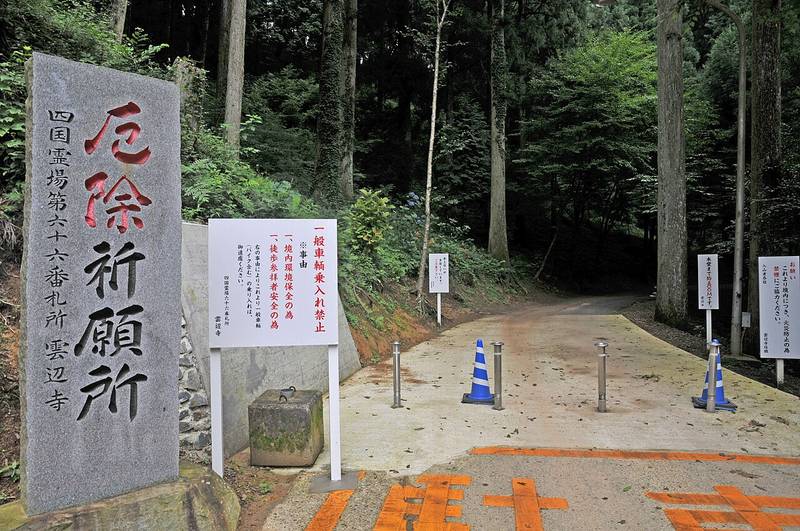
The principal image is Kannon Bodhisattva with a Thousand Arms. Although located in Miyoshi City, Tokushima Prefecture, it belongs to Sanuki in terms of the pilgrimage route and is the checkpoint temple marking the beginning of the 'Nirvana Dojo'. It is located on the summit of Mt. Unpenji at an altitude of approximately 900m, and is known as the highest located temple among the eighty-eight temples, with many sights such as the Gohyaku Rakan (500 Arhats). You can go up to the summit from the foot of the mountain by ropeway. Nōkyō is provided at this temple (please confirm official information for procedure and reception hours). About a 10-minute walk from the ropeway summit station to the temple grounds; please confirm operating hours officially.
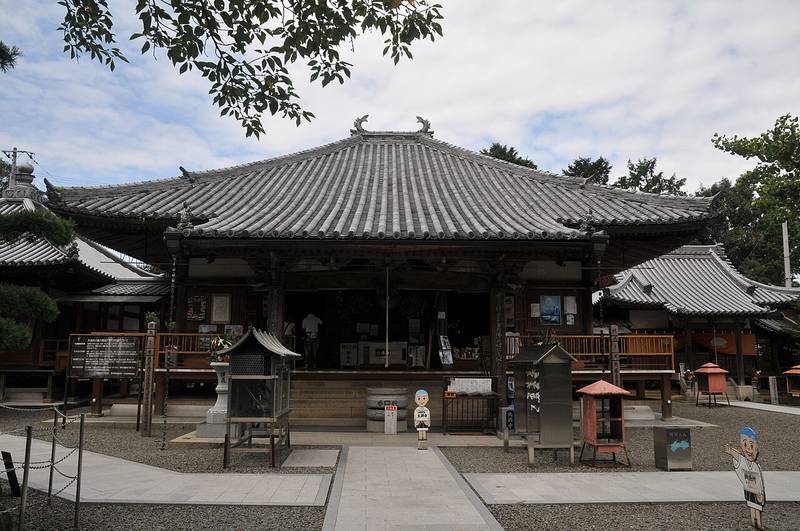
The principal image is Yakushi Nyorai. It is said to have been founded by Kobo Daishi (Kukai) in the Konin era, and some say it originated in the Nara period. It has a history of monks from both Shingon and Tendai sects studying here, and the characteristic feature is that the Kobo Daishi Hall and the Tendai Daishi Hall stand on either side of the main hall. It is also locally called 'Komatsuo-ji Temple'. The large trees in front of and behind the Niomon Gate are also highlights. Temple seals are awarded at this temple (please confirm procedure and reception hours officially). Located in Yamamoto Town, Mitoyo City, it is conveniently accessible by car.

The principal image is Amida Nyorai. It is the only 'one temple, two sacred sites' in the Shikoku pilgrimage, built on the same grounds as Temple No. 69 Kannonji, and the sutra copy offices for both No. 68 and No. 69 are shared. In the Meiji era, due to the separation of Shinto and Buddhism, the Amida Nyorai, the honji butsu of Kotohiki Hachimangu Shrine, was moved here, establishing the current form. The main hall is known for its unique concrete construction. Located in the scenic area of Kotohiki Park, close to the 'Kan'ei Tsuho' sand painting. Sutra copy hours and procedures are to be confirmed officially. A few minutes by car from JR Kan'onji Station.
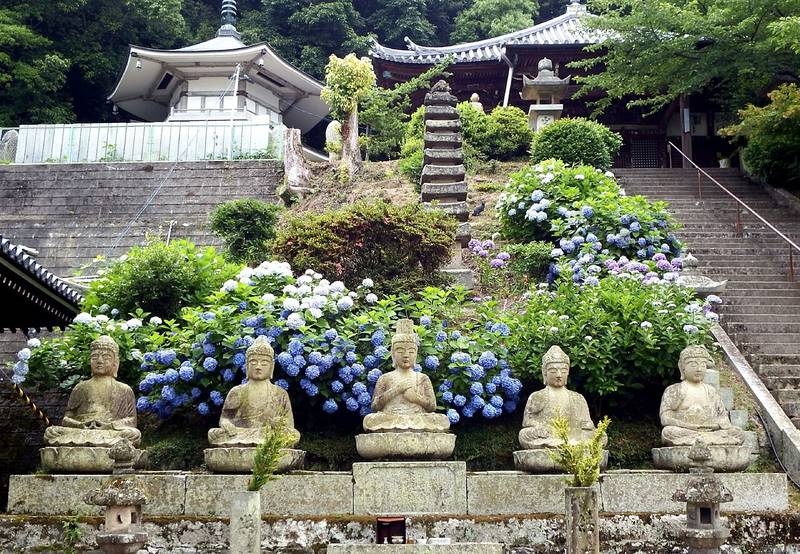
The principal image is Sho Kannon Bosatsu. It is one of the 'one temple, two sacred sites' located on the same grounds as Temple No. 68 Shin'eiji. Its origin dates back to the Jingu-ji temple of Kotohiki Hachimangu Shrine in the Nara period. It is said that Kobo Daishi organized the temple buildings and personally enshrined Sho Kannon, which he carved himself, as the principal image. The vermilion-painted main hall is a highlight. The place name Kan'onji City is said to derive from this temple. Sutra copies are provided at the shared sutra copy office with Shin'eiji (hours and procedures to be confirmed officially). Close to Kotohiki Park and the Zenigata Sand Painting, a few minutes by car from JR Kan'onji Station.
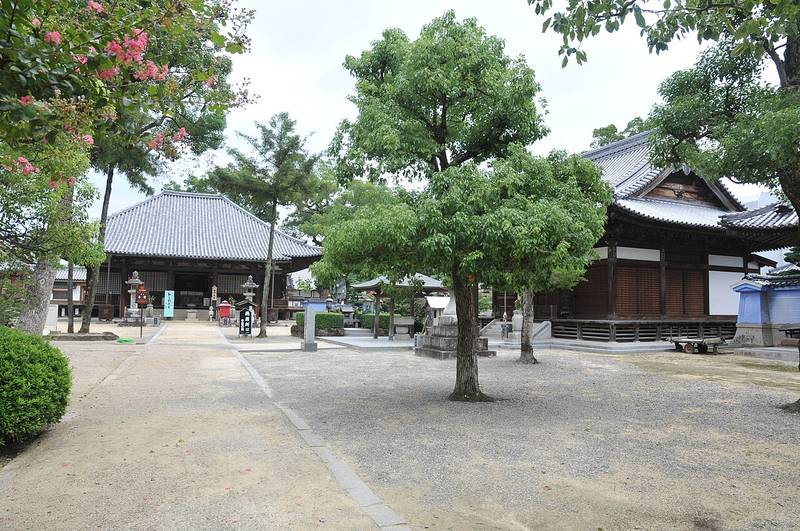
The principal image is Bato Kannon Bosatsu, and it is said to be the only temple among the 88 temples to enshrine Bato Kannon. The main hall, built during the Kamakura period, is a National Treasure and a masterpiece of architecture, and a five-story pagoda soars within the grounds. It is said to have been founded by Kobo Daishi, and the temple complex spreads out on a wide plain along the Tadata River. The Niomon gate is also known as an Important Cultural Property. Noken is issued at this temple (please confirm procedures and reception hours officially). Located in Toyonaka-cho, Mitoyo City, within walking distance of JR Motoyama Station and easily accessible by car.
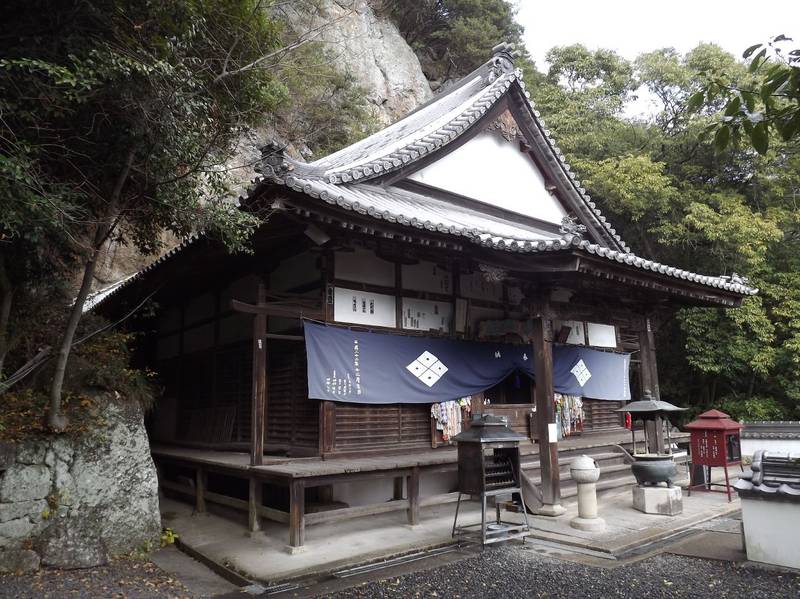
The principal image is Kannon Bodhisattva with a Thousand Arms. Located on the mountainside of Mt. Yadani, it is known as one of the most difficult routes, with hundreds of steep stone steps leading to the main hall. Rock-cut Buddhist images are scattered on the rock walls, and it exudes the atmosphere of a sacred mountain believed since ancient times to be where the spirits of the dead gather. It is said to have been founded by Gyoki and is a sacred site associated with Kobo Daishi. Nōkyō is provided at this temple (please confirm official information for procedure and reception hours). Located in Minocho, Mitoyo City, the approach from the parking lot to the main hall involves a continuous uphill walk.
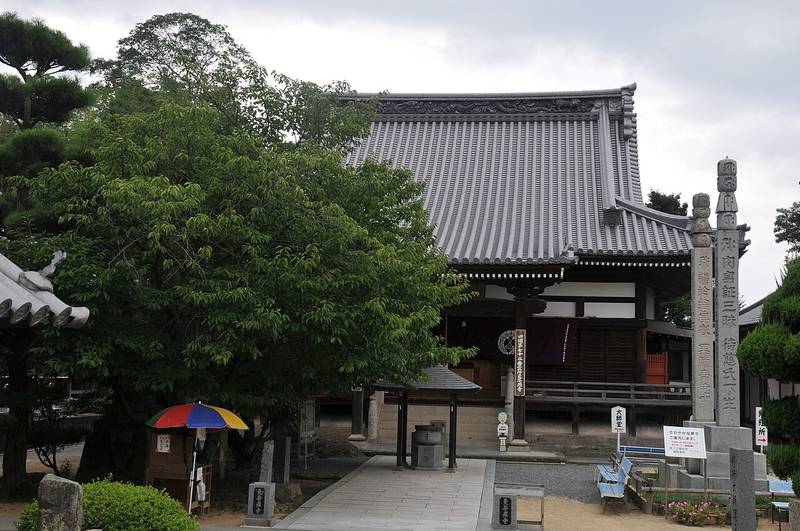
The principal image is Dainichi Nyorai. It originated as the clan temple of the Saeki clan, the clan of Kobo Daishi, and is said to have been originally called Seshaka-ji Temple. It is said that Kūkai enshrined the Ryōkai Mandara (Two Realms Mandala) brought from Tang China, and changed the temple name to Mandara-ji Temple. It is located at the foot of Mt. Gahaishi, the same as No. 73 Shaka-ji Temple, and the two temples are close to each other. It enshrines a statue of Sho Kannon, a prefectural cultural property. Nōkyō is provided at this temple (please confirm official information for procedure and reception hours). Located in Yoshiwara-cho, Zentsuji City, it is convenient to access by car.
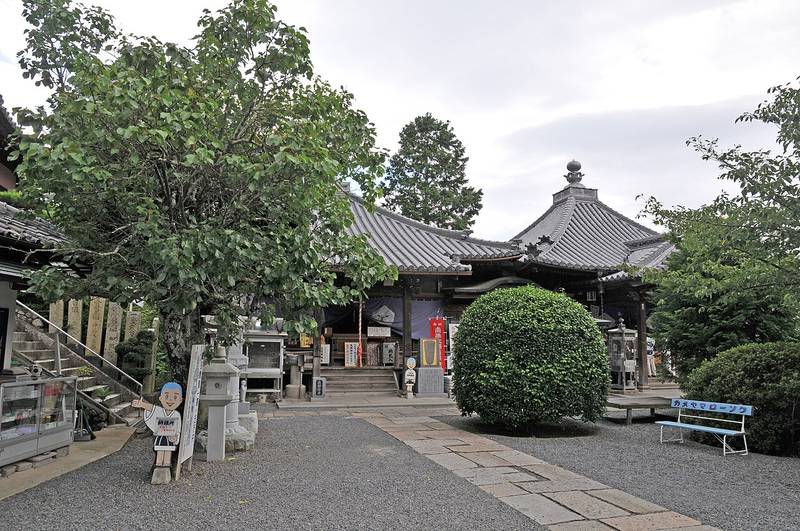
The principal image is Shaka Nyorai. It is known for the legend of 'Shushin-ga-take' (the cliff where Kūkai, as a child named Mao, threw himself off Mt. Gahaishi and was caught by Shaka Nyorai and a celestial maiden). Near the summit is the Okunoin (Zentō), and Shushin-ga-take is a sacred site for remote worship. It is located close to No. 72 Mandara-ji Temple. The view of the Sanuki Plain opens up from the temple grounds. Nōkyō is provided at this temple (please confirm official information for procedure and reception hours). Located in Yoshiwara-cho, Zentsuji City, the approach to the Okunoin involves climbing a mountain path.
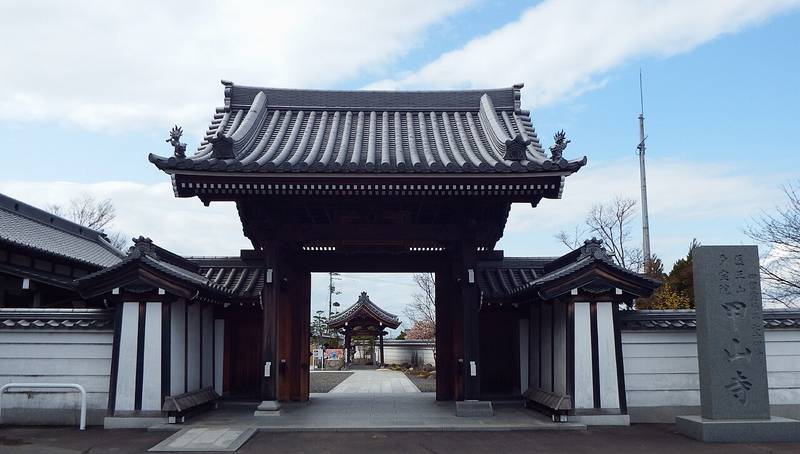
The principal image is Yakushi Nyorai. It is said that Kobo Daishi carved a statue of Bishamonten in a rock cave and enshrined it, and it has a legend that the temple buildings were completed after the successful renovation of Mannō Pond. Within the temple grounds, there is a rock cave enshrining Bishamonten, and it is also affectionately known for the scattered tiles and stone statues related to rabbits. It is located between No. 72, No. 73, and No. 75 Zentsuji Temple. Nōkyō is provided at this temple (please confirm official information for procedure and reception hours). Located in Kōda-cho, Zentsuji City, it is easy to visit in conjunction with nearby temples.
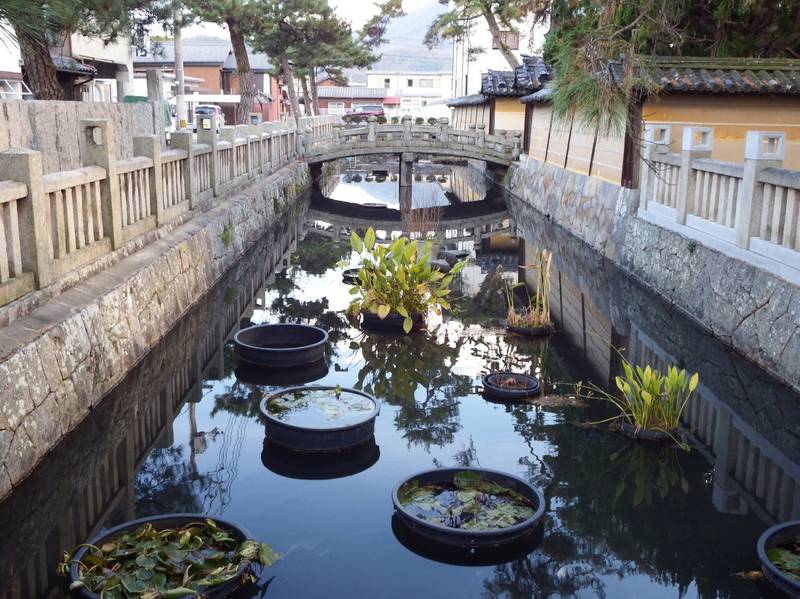
The principal image is Yakushi Nyorai. It is said to be the birthplace of Kōbō Daishi (Kūkai), and is the head temple of the Shingon sect Zentsuji school, and one of the three great sacred sites of Kōbō Daishi, alongside Kōyasan and Tō-ji Temple. The vast temple grounds, approximately 45,000 square meters, are divided into the East Precinct (Garan), which includes the Kondo and the five-story pagoda, and the West Precinct (Tanjōin), centered around the Mirei-do hall built on the birthplace of Kōbō Daishi. The five-story pagoda is an Important Cultural Property, approximately 43 meters high. The temple's name is said to be derived from its father, Saeki Zentsu. Nōkyō is provided at this pilgrimage temple (procedures and reception hours to be confirmed officially). Within walking distance of JR Zentsuji Station.
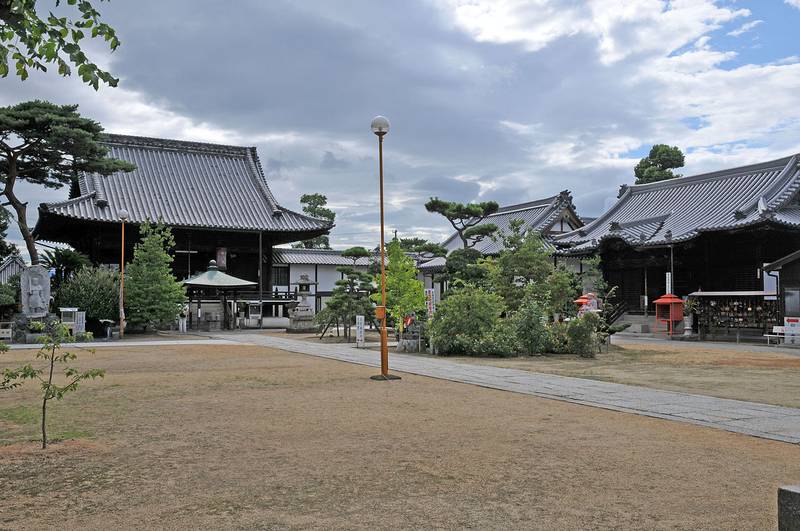
One of the temples in the Sanuki Nirvana pilgrimage route. The principal image is Yakushi Nyorai. It is said to have been founded in 774 by Wake no Dōzen, and later his grandson, Chishō Daishi Enchin, the founder of the Tendai Jimon sect, was born in this area, making it a temple associated with Enchin. It is said that Enchin arranged the temple buildings in imitation of Qinglong Temple in Tang China. It houses a silk painting of Chishō Daishi (National Important Cultural Property) from the Kamakura period. It is also known for items related to Nogi Maresuke's temporary stay and the 'Tsuma-gaeshi no Matsu' (Wife-Returning Pine). You can worship at the main hall and Daishi-do hall, and receive Nōkyō and Goshuin at each pilgrimage temple (procedures and reception hours to be confirmed officially). It is easily accessible, about a 5-minute walk from JR Kinkura-ji Station.
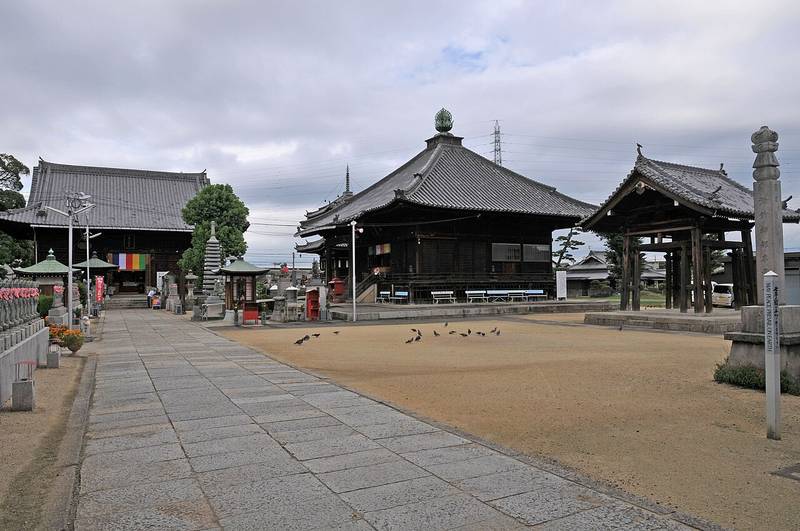
The principal image is Yakushi Nyorai, and it is worshipped for eye-related ailments as the 'Mede Naoshi Yakushi' (Yakushi Nyorai who heals eyes). According to temple tradition, it originated in Wa-dō 5 (712) when the local lord Wake no Michitaka carved Yakushi Nyorai from a mulberry tree that emitted light, and his son Asōyu received the precepts from Kobo Daishi upon his return from Tang China and built the seven halls and buildings, naming the temple 'Dōryū-ji' after his father's name. The numerous Kannon statues within the grounds are also a highlight. You can visit the main hall and Daishido hall and receive Nōkyō and Goshuin at each temple (please confirm hours officially). Within walking distance of Tadotsu Station on the JR line, it is located on flat ground and easy for pilgrims to walk to.
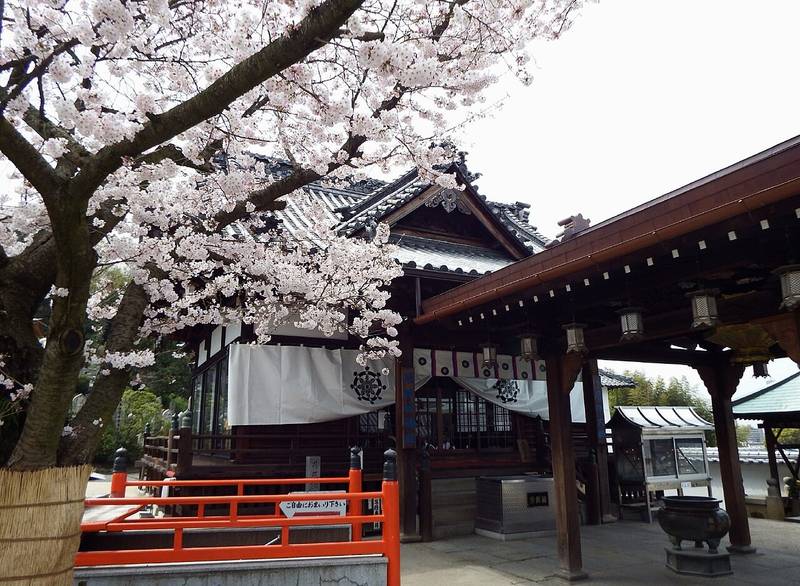
The principal image is Amida Nyorai. It is said to have been opened by Gyoki in Jin-shin 2 (725), and it is worshipped as 'Yakuyoke Utazu Daishi' (Daishi of Utazu who wards off evil) because Kobo Daishi carved his own image here during the Konin era and vowed to ward off evil. Later, a Buddhist hall of the Ji sect, founded by Ippen Shonin, was added, making it a rare temple among the Shikoku pilgrimage sites that combines both Shingon and Ji sects. It is located on a hill overlooking the Seto Inland Sea, and in addition to the main hall and Daishido hall, the Mantai Kannon Cave is a highlight. Nōkyō and Goshuin can be received at each temple (please confirm reception hours officially). Within walking distance of Utazu Station on the JR line, it is easily accessible.
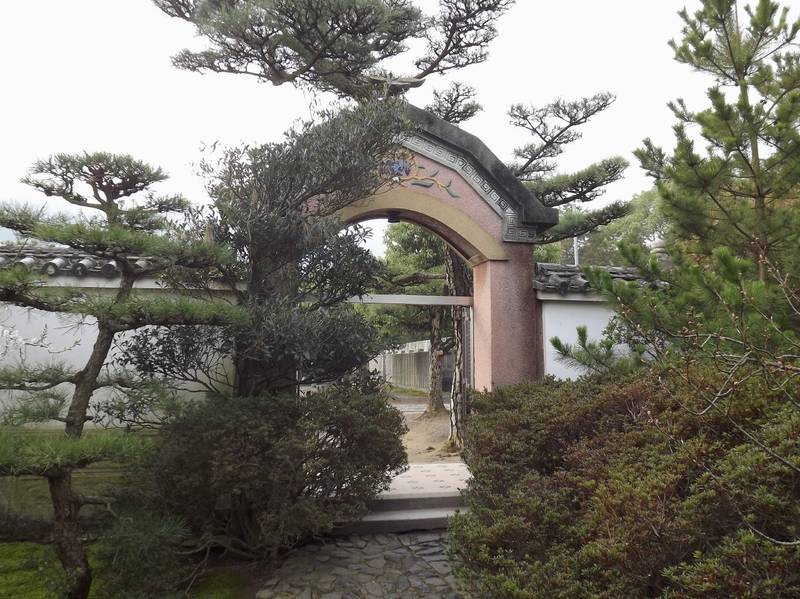
The principal image is Kannon Bodhisattva with Eleven Faces. It is a temple associated with Emperor Sutoku, who was exiled to Sanuki during the Hōgen Rebellion and died here, and it is said to have been called 'Tennō-ji Temple' as the Betsudōji (temple attached to a shrine) of the shrine that enshrined him (now Shiroamine Shrine). It conveys the remnants of Shinto-Buddhism syncretism with the adjacent Shiroamine Shrine, and its characteristic feature is the Miwatorii (three-pillar torii). You can visit the main hall and Daishido hall and receive Nōkyō and Goshuin at each temple (please confirm hours officially). Located in Nishishō-cho, Sakaide City, it is close to the Yaso-ba spring. Accessible within walking distance from Yaso Station on the JR line.
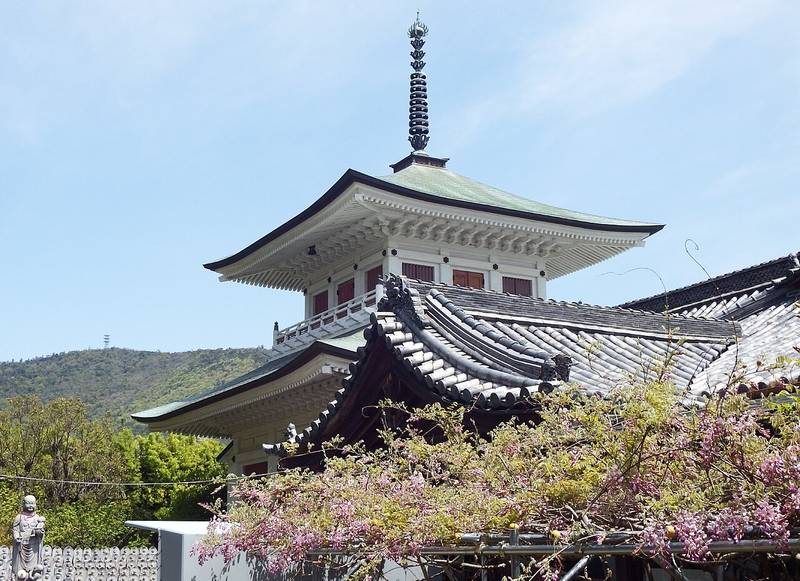
This is the Sanuki version of the Kokubun-ji temples established nationwide by imperial decree of Emperor Shōmu, and the current grounds overlap with the site of the original temple, making it a National Special Historic Site. The principal image is the Eleven-faced Thousand-armed Kannon Bodhisattva. It is a treasure trove of cultural properties, with the wooden statue of Thousand-armed Kannon (Heian period), the main hall (Kamakura period), and the bronze bell (Heian period), said to be the oldest in Shikoku, all designated as National Important Cultural Properties. Stone foundations remain on the spacious grounds, conveying the scale of the past. You can worship at the main hall and Daishi-do hall, and receive Nōkyō and Goshuin at each pilgrimage temple (times to be confirmed officially). Located in Kokubunji-cho, Takamatsu City, within walking distance of JR Kokubu Station. Be careful not to confuse it with other Kokubun-ji temples in different prefectures with the same name.
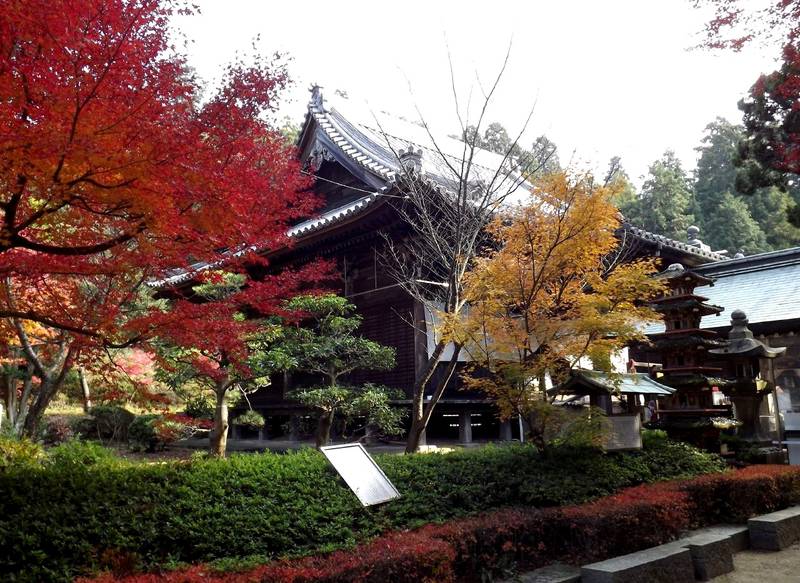
A mountain pilgrimage temple located halfway up Mt. Goshikidai, at an elevation of approximately 270m. The principal image is Thousand-armed Kannon Bodhisattva. It is said that Kōbō Daishi in 815, and later his nephew Chishō Daishi Enchin, carved the Thousand-armed Kannon from sacred wood to be the principal image. Within the temple grounds is the Tonshōji Hall, which enshrines Emperor Sutoku, and nearby is the Emperor Sutoku Shiramine Mausoleum (managed by the Imperial Household Agency). Its charm lies in the serene atmosphere enveloped in deep woods. You can visit the main hall and Daishi-do hall, and receive Nōkyō and Goshuin at each pilgrimage temple (times to be confirmed officially). As it is located on a mountain, it is advisable to check transportation access by car or public transport in advance.
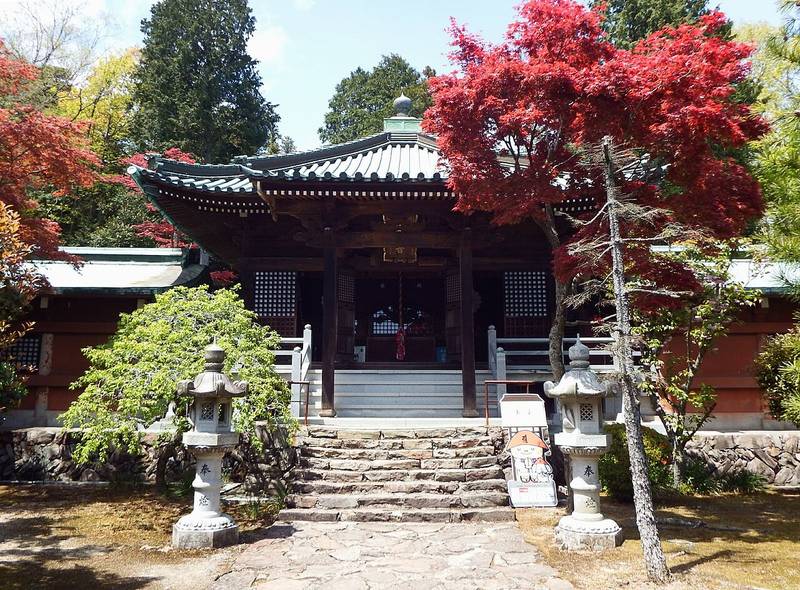
A mountain temple located on Mt. Aomine in Goshikidai. The principal image is Kannon Bodhisattva with a Thousand Arms, said to have been carved from sacred wood by Chishō Daishi Enchin. It has a legend that Kobo Daishi perceived the Five Wisdom Buddhas on the five peaks. It is known for the legend of the 'Ushi-oni' (bull demon), a monster that once ravaged this area, being defeated by the master archer Yamada Kurōdo Takakiyo, and a horn said to be from the Ushi-oni remains at the temple. Surrounded by a deep forest, it is also famous for its autumn foliage. You can visit the main hall and Daishido hall and receive Nōkyō and Goshuin at each temple (please confirm hours officially). Access from the mountain top requires prior confirmation.
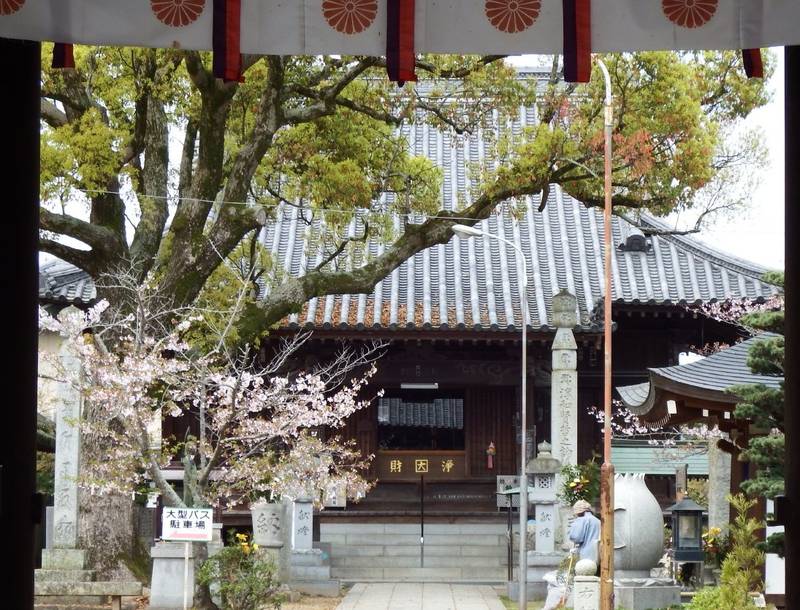
This temple is adjacent to Tamura Shrine, the Ichinomiya (head shrine) of Sanuki Province, and is said to have been called 'Ichinen-ji Temple' as its Betsudōji (temple attached to a shrine). The principal image is Sho Kannon Bodhisattva. It is said to have been opened by Gien in the Taihō era, and later Kobo Daishi arranged the halls and enshrined the principal image. The stone shrine enshrining Yakushi Nyorai within the grounds is known for the legend of the 'Jigoku no Kama' (Hell's Cauldron), where if you put your head in, you can hear the sound of hell's cauldron, and the door closes for those with sinful hearts. You can worship at the main hall and Daishido hall and receive Nōkyō and Goshuin at each temple (please confirm hours officially). Located in Ichinomiya-cho, Takamatsu City, it is easily accessible within walking distance from Ichinomiya Station on the Kotoden line.
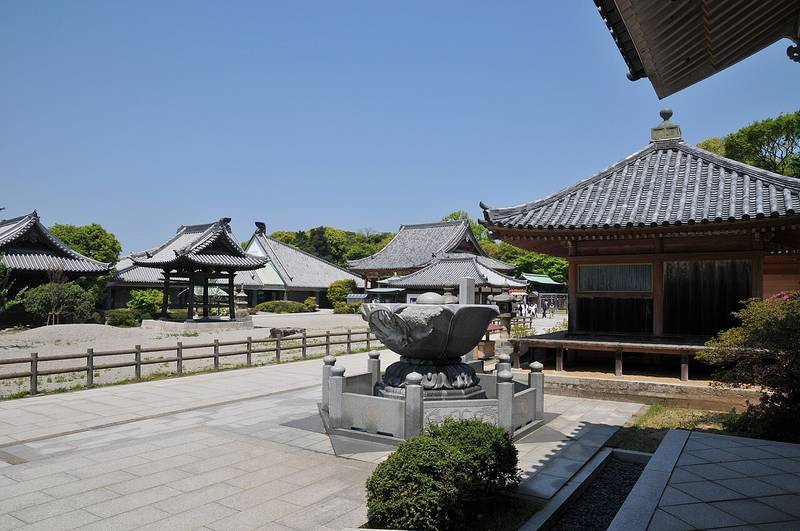
Located on Mt. Yashima, famous as the ancient battlefield of the Genpei War. The principal image is the Eleven-faced Thousand-armed Kannon Bodhisattva (National Important Cultural Property, Heian period). It is said that Kanjin, who visited Japan in 754, visited this place and founded it, and his disciple named it Yashima-ji Temple. The main hall (rebuilt in the Edo period) and the temple bell are also National Important Cultural Properties, and temple treasures can be viewed in the treasure hall. Minoyama Daimyojin, which enshrines Taishaburo Tanuki, one of the three famous tanuki of Japan, is also popular. You can visit the main hall and the Daishi-do hall, and receive Nōkyō and Goshuin at each pilgrimage temple (times to be confirmed officially). Located on Mt. Yashima, it offers magnificent views of the Seto Inland Sea.
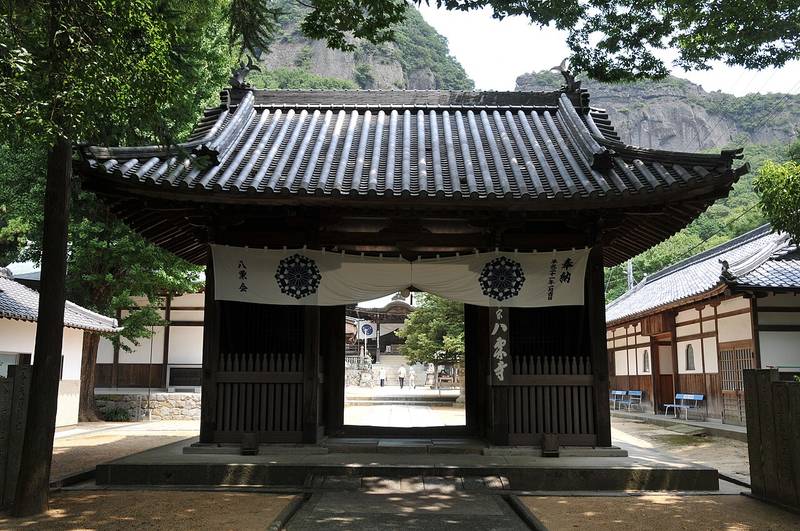
A mountain pilgrimage temple located halfway up Mt. Gokenzan (elevation approx. 375m, the eastern peak collapsed in the Hoei earthquake, now four peaks). The principal image is Sho Kannon Bodhisattva. It is said to be associated with Kōbō Daishi, and is widely worshipped as 'Yashima no Shōten-san' (which enshrines Kankiten) for business prosperity and matchmaking. It is also characterized by the fact that you can go up to near the summit by cable car from the foot of the mountain, avoiding steep slopes. You can visit the main hall, Daishi-do hall, and Shōten-dō hall, and receive Nōkyō and Goshuin at each pilgrimage temple (times to be confirmed officially). Located in Mure-cho, Takamatsu City, it can be visited along with the Yashima and Anji areas.
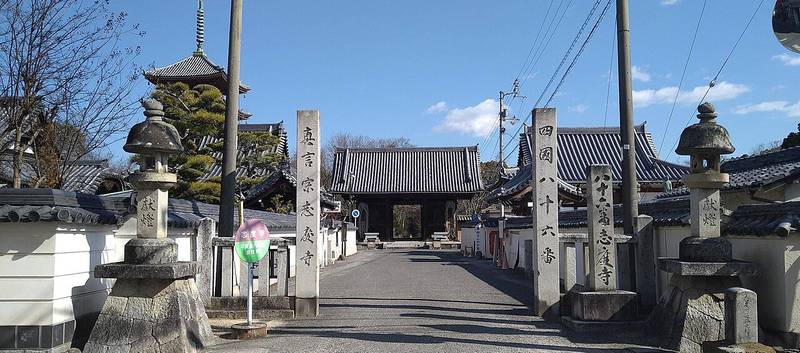
Said to have been founded during the reign of Empress Suiko, it is one of the oldest temples in the Shikoku pilgrimage. The principal image is the Eleven-faced Kannon Bodhisattva (along with attendant deities, a National Important Cultural Property). The main hall, rebuilt by Matsudaira Yorishige, the first lord of the Takamatsu domain, and the five-story pagoda within the grounds are also highlights. The legend of the 'Ama no Tamatori' (Sea Woman's Jewel Retrieval), where a sea woman risked her life to retrieve a jewel stolen by a dragon palace, is told here, and it is also known as the setting for the Noh play 'Ama'. You can visit the main hall and Daishi-do hall, and receive Nōkyō and Goshuin at each pilgrimage temple (times to be confirmed officially). Located in Shido, Sanuki City, within walking distance of Kotoden Shido Station and JR Shido Station.
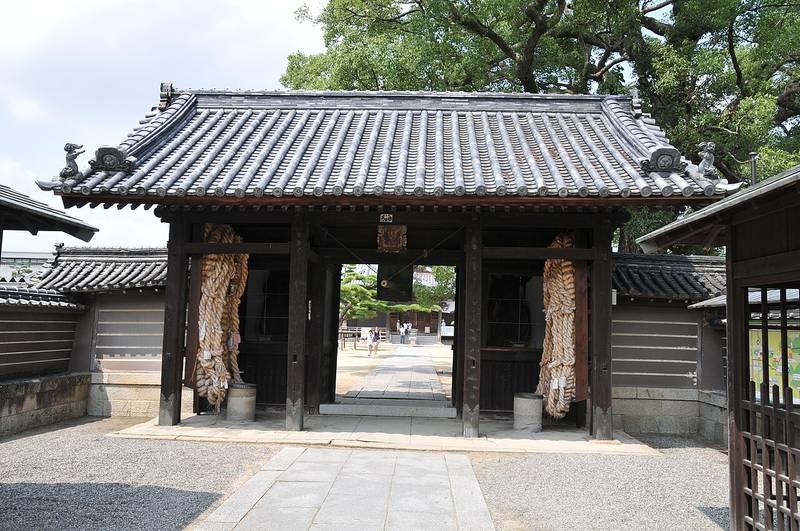
A flatland temple located before Okubō-ji Temple, the final temple of the pilgrimage. The principal image is Sho Kannon Bodhisattva, said to have been carved from sacred wood by Gyoki (there is also a theory that Prince Shōtoku founded it). The two Kamakura-period Kyōdō (stone stupas) standing in front of the gate are Important Cultural Properties of Japan. It is said that Shizuka Gozen, the beloved concubine of Minamoto no Yoshitsune, became a nun here with her mother, and relics such as the tonsure mound remain. It is also known for the Daeyō (Oeyō) festival held at New Year's. You can visit the main hall and Daishido hall and receive Nōkyō and Goshuin at each temple (please confirm hours officially). Located in Nagao, Sanuki City, it is easily accessible within walking distance from Nagao Station on the Kotoden line.
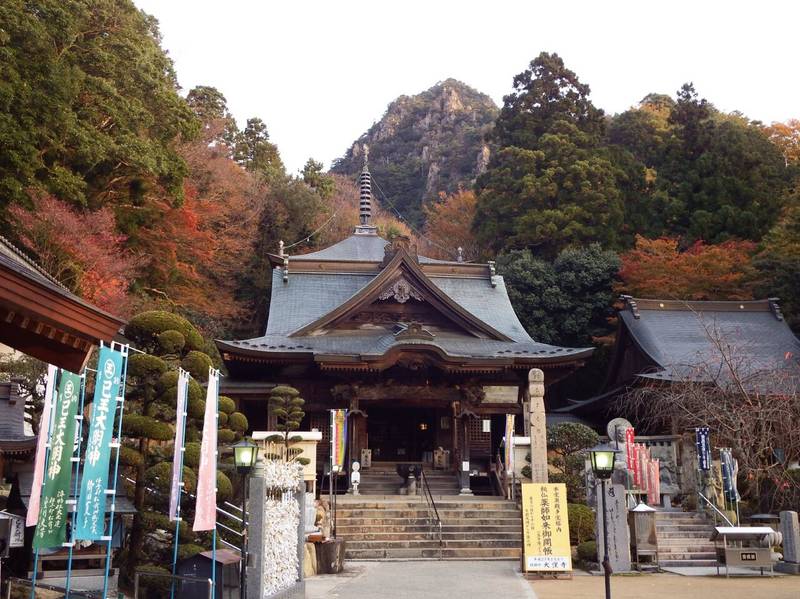
The temple of fulfillment and completion (Ketsugan) of the eighty-eight temple pilgrimage. The principal image is Yakushi Nyorai. It is said to have been opened by Gyoki during the Yōrō era, and later Kobo Daishi trained here and arranged the halls. It is also called 'Nyonin Kōya' (Kōya for women) because it has long permitted female pilgrims. Located at the foot of Mt. Yahazu near the border with Tokushima Prefecture, its deep mountain atmosphere is fitting for the place of completion. There is a custom for pilgrims to dedicate their Kongo-tsue (pilgrim's staff) after completing the pilgrimage, and the dedicated staffs are offered in a fire ritual. You can visit the main hall and Daishido hall and receive Nōkyō and Goshuin at each temple (please confirm hours officially). Access requires prior confirmation as it is in a mountainous area.
Related lists
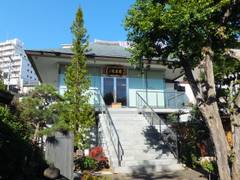
Gofunai Hachijuhasshoka Meguri
A list for visiting the 'Gofunai Hachijuhasshoka', a sacred site of Kobo Daishi that replicates the Shikoku 88 Pilgrimage in Edo. You can visit 88 temples, mainly in Tokyo's 23 wards, from the 1st temple, Koyasan Tokyo Betsuin, to the 88th temple, Monjuin (completion), on a map. (The 25th and 77th temples have now moved to Hino City and Hadano City, Kanagawa Prefecture). Many are Shingon sect temples. Please check the official website of each temple for the latest information, as the hours for receiving goshuin (temple stamps) and the fees for offering sutras may change.
88SO
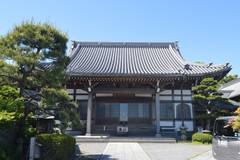
Chita Shikoku 88 Pilgrimage: 88 Temples of the Chita Peninsula, Aichi
The Chita Shikoku 88 Pilgrimage is a sacred route of Kobo Daishi that circles the Chita Peninsula (Handa City, Minamichita Town, Tokoname City, Chita City, etc.) in Aichi Prefecture. We have compiled all 88 temples, starting with Sogen-ji as No. 1, in order of their temple number (Oomidodo-ji, No. 50, and Noma Daibo, No. 51, are the same temple, so there are 87 locations on the map).
87SO
Sado Hachijuhachikasho Reijo Meguri: The 88 Sacred Sites of Sado Island
The Sado Hachijuhachikasho Reijo are sacred sites spread across the entire Sado Island. We have compiled all 88 sacred sites, from the first, Sado Kokubun-ji, to the 88th, Rengebo-ji, in order of their temple number.
88SO
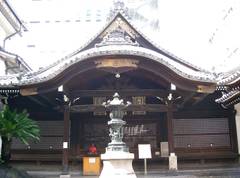
Settsu Province 88 Sacred Sites Pilgrimage: Osaka/Hyogo's 88 Sacred Sites
The Settsu Province 88 Sacred Sites are sacred sites associated with Kobo Daishi, spread across the former Settsu Province in Osaka Prefecture and Hyogo Prefecture. All 88 sacred sites are organized in order of their number (Nos. 69 and 70 are consolidated as one location, Nakayamadera, due to the Daishi-do and Jurōjin-do within the Nakayamadera temple grounds).
87SO
Check off the places you visitand keep photos and notes.
Edit it however you like.
Sign up freeStart with your Google accountGet started right away, free