Tokyo Jissha Meguri (Tour of the Ten Shrines of Tokyo)
Keep a record of this trip
Sign up freeTokyo Jissha Meguri (Tour of the Ten Shrines of Tokyo)

A list of tours of the 'Tokyo Jissha' (Ten Shrines of Tokyo), which originated from the semi-imperial shrines established in the first year of Meiji (1868) by Emperor Meiji to pray for the protection of Tokyo. You can visit 10 historic shrines in Tokyo's 23 wards, such as Kanda Myojin, Hie Shrine, Nezu Shrine, and Tomioka Hachimangu, on a map. A special Goshuincho (temple/shrine stamp book) is also available at each shrine. Please check the official website of each shrine for the latest information, as Goshuin授与 (granting) hours, fees, festivals, and the best times to see seasonal flowers may change. You can record your visits and aim to complete all ten shrines.
This shrine, officially Kanda Shrine, is known as the 'Guardian of Edo'. It enshrines Oonamuchi no Mikoto, Sukunahikona no Mikoto, and Taira no Masakado, and is worshipped as the guardian deity of the areas of Kanda, Nihonbashi, and Akihabara. It is famous for the Kanda Festival, a representative festival of Edo, and is a shrine for business prosperity and matchmaking. Please check the official website for the latest information on Goshuin granting hours and fees, as they may change. A short walk from JR Ochanomizu Station and Akihabara Station.
This shrine is located on a hill in Nagata-cho and is worshipped as the guardian deity of Edo, protecting the southwest of the Imperial Palace. It enshrines Oyamakui no Kami. It is famous for the Sanno Festival, one of the three major festivals of Edo, and also for its 'Saru' (monkey) statues, considered messengers of the gods. You can also access the shrine building via an escalator from the Sotobori-dori side. Please check the official website for the latest information on Goshuin granting hours and fees. A short walk from 'Tameike-Sanno' and 'Akasaka' subway stations.
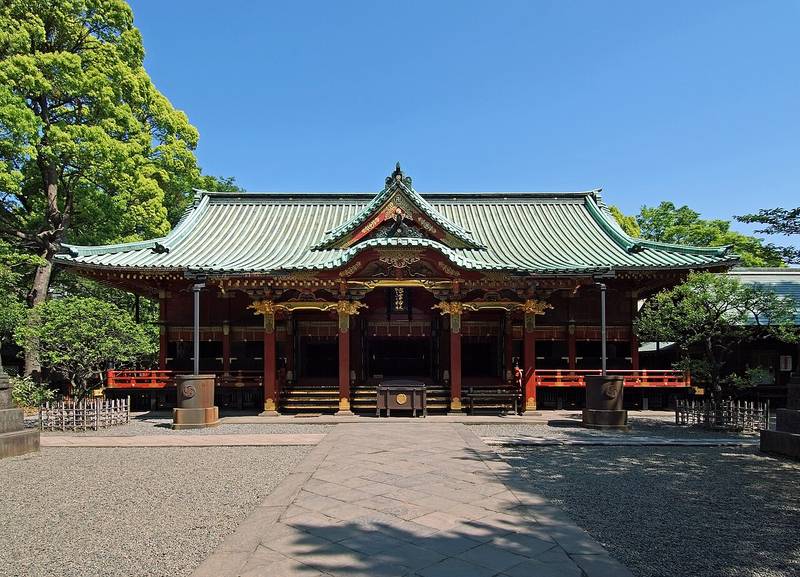
This ancient shrine, located in Nezu, Bunkyo Ward, has a Gongen-zukuri style shrine building constructed by the fifth Shogun Tokugawa Tsunayoshi, which is designated as an Important Cultural Property of Japan. Legends of the founding by Yamato Takeru are passed down. Highlights include the Senbon Torii (thousand torii gates) of Otome Inari within the grounds and the azalea garden in spring (bloom times vary by year). Please check the official website for the latest information on Goshuin granting hours and fees. A short walk from 'Nezu' and 'Sendagi' subway stations.
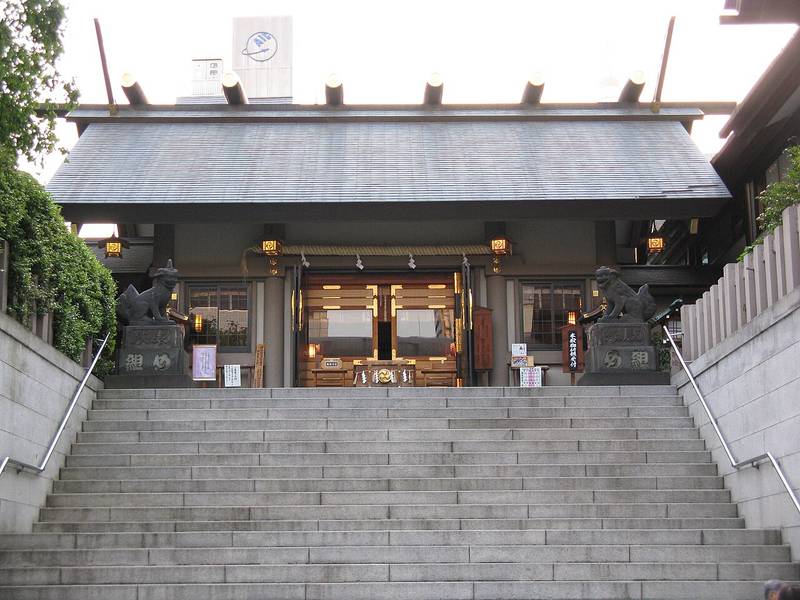
This shrine, which enshrines Amaterasu Omikami and Toyouke Omikami, is affectionately known as the 'Ise of Kanto'. Its autumn festival is called the 'Daradara Matsuri' (dilly-dally festival) because it lasts for a long period and is known for its ginger market. It is also popular for its amulets for good luck and matchmaking. Please check the official website for the latest information on Goshuin granting hours and fees, as they may change. A short walk from JR Hamamatsucho Station and 'Daimon' subway station.
This ancient shrine in Bunkyo Ward enshrines Kikurihime no Mikoto, Izanagi no Mikoto, and Izanami no Mikoto, having invited the Hakusan faith from Kaga. It is also known for its belief in healing toothaches. It is a famous spot for hydrangeas in early summer and serves as the venue for the 'Bunkyo Ajisai Matsuri' (Bunkyo Hydrangea Festival) (bloom times vary by year). Please check the official website for the latest information on Goshuin granting hours and fees. A short walk from 'Hakusan' and 'Hon-Komagome' subway stations.
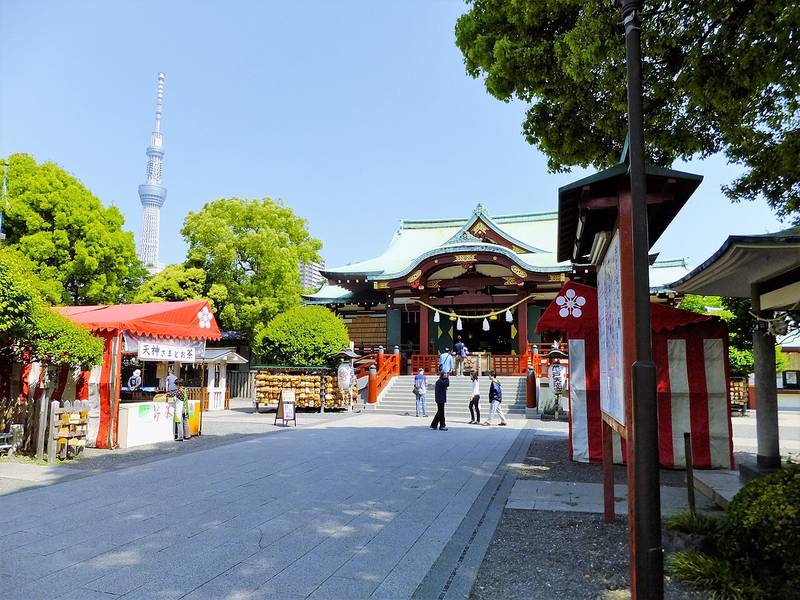
This Tenjin shrine, dedicated to Sugawara no Michizane, the god of learning, is also known as 'Eastern Dazaifu Tenmangu Shrine'. It is famous for the view of Tokyo Skytree seen over the vermilion arched drum bridge spanning the Shinji-ike pond, as well as its wisteria in spring and plum blossoms in early spring (bloom times vary by year). It is crowded with people praying for success in exams. Please check the official website for the latest information on Goshuin granting hours and fees. A short walk from JR Kameido Station and Kinshicho Station.
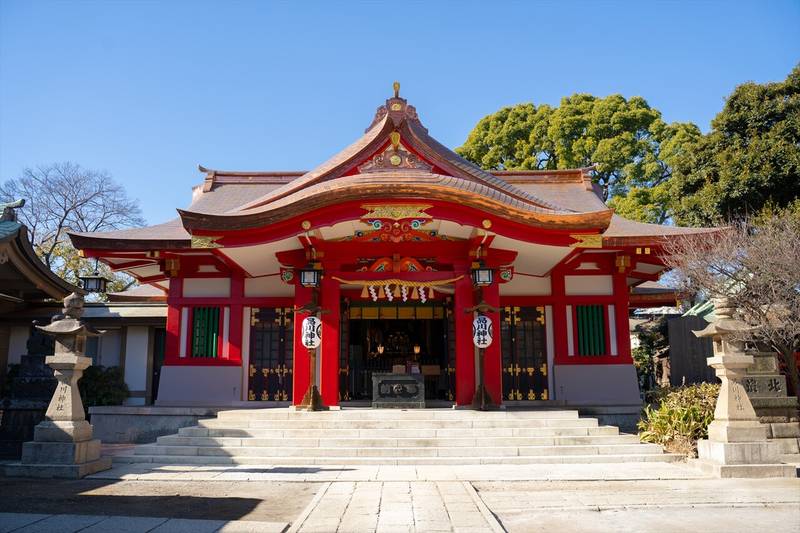
This shrine, located on a hill in Kita-Shinagawa, Shinagawa Ward, enshrines Daikokuten, one of the Seven Lucky Gods of Tokai. Highlights include 'Shinagawa Fuji', a fujizuka (Mt. Fuji mound) that can be climbed within the grounds, and the 'Ichiryū Manbai no Izumi' (Fountain of One Seed, Ten Thousandfold Increase), which is said to increase wealth if you wash money in it. It is also known for its early summer Grand Festival (Kita no Tenno Matsuri). Please check the official website for the latest information on Goshuin granting hours and fees. A short walk from Keikyu 'Shin-Bamba' Station.
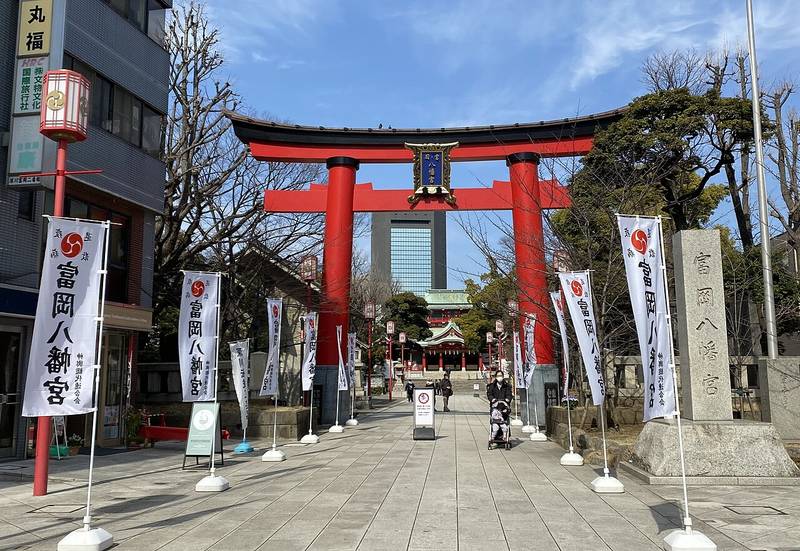
This Hachiman shrine, affectionately known as 'Fukagawa Hachiman', is one of the largest in Edo and enshrines Emperor Ojin as its main deity. It is famous for the Fukagawa Hachiman Festival (Water-Splashing Festival), one of the three major festivals of Edo. It is said to be the birthplace of Edo Sumo promotion, and stone monuments related to sumo, such as the Yokozuna Rikishihi (Grand Champion Sumo Wrestler Monument), are lined up. Please check the official website for the latest information on Goshuin granting hours and fees. A short walk from 'Monzen-Nakacho' subway station.
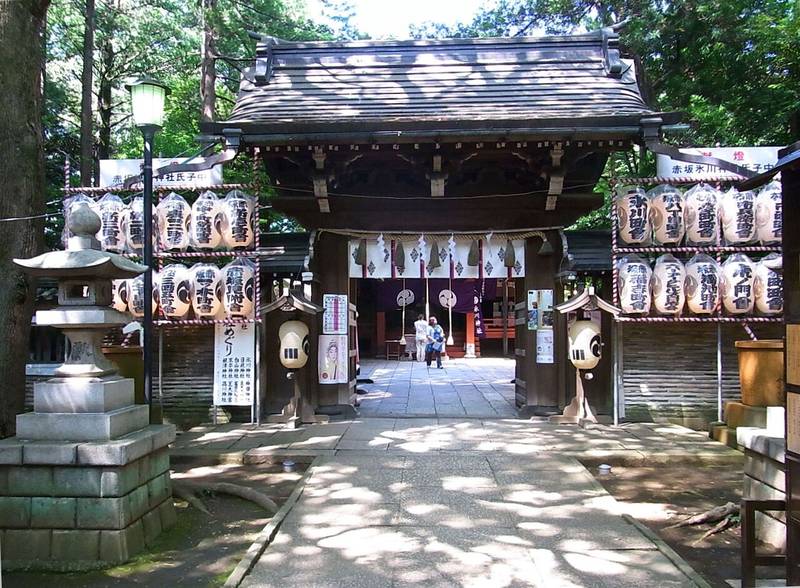
This shrine, located in Akasaka, Minato Ward, enshrines Susanoo-no-Mikoto and other deities. The shrine building was constructed in its current location by order of Tokugawa Yoshimune, the eighth Shogun, and highlights include the shrine building that retains the atmosphere of Edo and the ancient ginkgo tree. It is also known as a shrine for matchmaking. Please check the official website for the latest information on Goshuin granting hours and fees, as they may change. A short walk from 'Akasaka' and 'Roppongi-itchome' subway stations.
This shrine, located in Oji, Kita Ward, is the origin of the place name 'Oji' and enshrines deities such as Izanagi no Mikoto. It is said to have been founded based on Kumano worship and received reverence from the Tokugawa shogunate. It is also known for its subsidiary shrine, Seki Shrine, which is worshipped for hair and performing arts, and its hair mound. Please check the official website for the latest information on Goshuin granting hours and fees. A short walk from JR Oji Station.
Plan your trip
Note: This list contains advertising (affiliate links).
Related lists
Tokyo Retro Downtown Stroll: Famous Shop Tour
Yanaka, Asakusa, Fukagawa, Shibamata... Tokyo still has towns where the Showa atmosphere remains. Old shops in back alleys, Yuyake Dandan, shopping streets full of human warmth. Carefully selected downtown Tokyo spots for a leisurely walk.
12SO
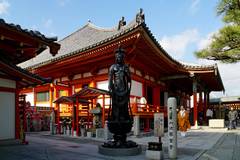
The Seven Gods of Fortune Pilgrimage in the Capital
The Seven Gods of Fortune pilgrimage, said to be the oldest in Japan and originating in Kyoto. You will visit all Seven Gods of Fortune at 7 temples and shrines: Ebisujinja Shrine, Matsugasaki Daikokuten, Toji Temple, Rokuharamitsuji Temple, Sekizanzen-in Temple, Kado, and Manpukuji Temple. You can visit them year-round, not just during the New Year, and it is said that the merits are greater during the New Year period when it is particularly lively. The temples and shrines are widely dispersed from Northern Kyoto to Uji, and you can visit them in any order from any starting point (if efficiency is prioritized, North to South is one example). Completing it on foot in one day is difficult; using a combination of trains and walking or cars is more realistic. The central Kado, Ebisujinja Shrine, and Rokuharamitsuji Temple do not have dedicated parking. Please check the official website for details on how to receive Goshuin (temple stamps), Shikishi (large amulets), and Ojiku (scrolls), as well as their prices and reception hours. You can record your 'Seven Gods of Fortune Completion' upon check-in.
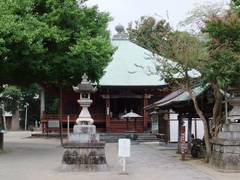
Japan's 100 Kannon Pilgrimage
This is a list for visiting the 100 temples that make up Japan's 100 Kannon, combining the three great Kannon pilgrimage sites: the Saigoku 33 Kannon, the Bandō 33 Kannon, and the Chichibu 34 Kannon. Completing all three pilgrimage routes signifies the fulfillment of the 100 Kannon pilgrimage, with the final temple being Chichibu's 34th temple, Suisenshi. The temples are organized in order of their temple number for each pilgrimage route, with the principal image and highlights of each temple noted. Please check the official information as visiting hours, admission fees, etc., may change.
100SO
Check off the places you visitand keep photos and notes.
Edit it however you like.
Sign up freeStart with your Google accountGet started right away, free